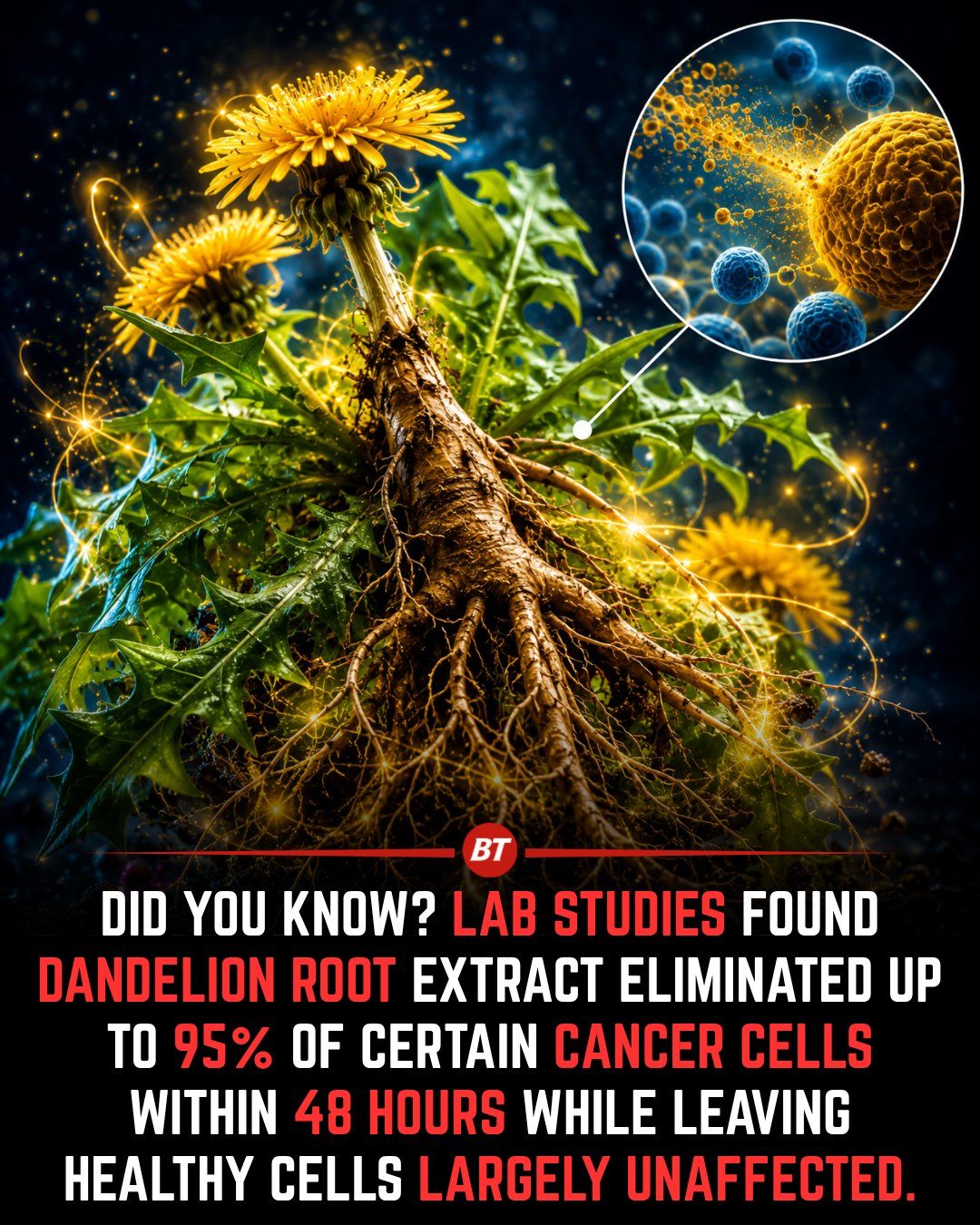
Dandelion Root Extract
Dandelion root extract has garnered significant attention due to its potential health benefits, particularly in cancer research. Recent laboratory studies have shown that dandelion root extract can selectively target and eliminate certain cancer cells while leaving healthy cells largely unaffected. This finding has sparked considerable interest in the scientific community and among health enthusiasts.
Why This Matters
The potential of dandelion root extract to influence cancer cell growth and survival is a breakthrough that could lead to new, more targeted treatments for various types of cancer. This is particularly exciting because traditional cancer treatments often come with significant side effects due to their impact on healthy cells. If dandelion root extract can selectively target cancer cells without harming healthy ones, it could revolutionize cancer treatment protocols.
Main Discussion
The Science Behind Dandelion Root Extract
Dandelion root contains a variety of bioactive compounds, including sesquiterpene lactones, phenolic acids, flavonoids, and triterpenes. These compounds are believed to work together to influence how abnormal cells grow and survive. In laboratory studies, these compounds have been shown to trigger apoptosis, the body's natural process of programmed cell death, in several types of cancer cells.
Lab Studies and Findings
Researchers at the University of Windsor reported that dandelion root extract demonstrated promising activity against certain colon cancer, pancreatic cancer, and leukemia cells. These studies showed that the extract could eliminate up to 95% of certain cancer cells within 48 hours while causing minimal damage to many healthy cells under the same experimental conditions. This selective targeting is a crucial finding, as it suggests that dandelion root extract could be a potent tool in cancer treatment.
A 2023 review published in Frontiers in Pharmacology also highlighted dandelion's antioxidant, anti-inflammatory, and potential anticancer properties. However, the review emphasized that most of the evidence currently comes from cell culture and animal studies. While these early findings are encouraging, more research, including large human clinical trials, is needed before any medical recommendations can be made.
Benefits Beyond Cancer Research
Beyond cancer research, dandelion root has traditionally been used to support digestion and liver health. It naturally contains antioxidants that contribute to overall wellness. These properties make dandelion root a valuable addition to a healthy lifestyle, even if further research is needed to confirm its anticancer benefits.
Common Misconceptions
It's important to note that while laboratory studies are promising, there is currently no high-quality clinical evidence showing that drinking dandelion tea or taking dandelion root supplements can treat or cure cancer in humans. Much more research is needed before any medical recommendations can be made.
Practical Tips
If you're interested in incorporating dandelion root into your wellness routine, here are a few practical tips:
Brewing Dandelion Root Tea
Dandelion root tea is a simple and enjoyable way to benefit from the root's properties. To brew a cup:
- Use dried dandelion root.
- Boil water and pour it over the dried root.
- Let it steep for about 10 minutes.
- Strain the mixture to remove the root.
- Enjoy your caffeine-free herbal tea.
Roasting Dandelion Root
Roasted dandelion root can be used as a coffee alternative. Here's how to do it:
- Rinse and dry fresh dandelion roots thoroughly.
- Preheat the oven to 250°F (121°C).
- Spread the roots on a baking sheet.
- Roast for about 1-2 hours, stirring occasionally, until they are crispy and dark brown.
- Grind the roasted roots and brew them like coffee.
Important Takeaways
While dandelion root extract shows promise in laboratory studies, it's essential to approach its potential benefits with caution. Here are the key takeaways:
- Dandelion root extract has shown the ability to eliminate certain cancer cells in laboratory settings.
- The extract appears to leave healthy cells largely unaffected, making it a promising candidate for targeted cancer treatments.
- More research, including large human clinical trials, is needed to confirm these findings and make any medical recommendations.
- Dandelion root has traditionally been used to support digestion and liver health and contains natural antioxidants.
Conclusion
Dandelion root extract is a fascinating area of research with significant potential in cancer treatment and overall wellness. While the early findings are encouraging, it's crucial to remember that more research is needed. If you're interested in incorporating dandelion root into your wellness routine, consider brewing a cup of tea or using it as a coffee alternative. Always consult with your healthcare provider before starting any new supplement regimen, especially if you are undergoing cancer treatment or taking medications.
Watch the Reel
Questions readers ask
What makes dandelion root extract a promising avenue in cancer research?
Dandelion root extract has shown the ability to target specific cancer cells while leaving healthy cells largely unaffected. This selective targeting is a significant advantage, as it could lead to more precise and less harmful cancer treatments compared to traditional methods. Traditional cancer treatments often impact healthy cells, leading to numerous side effects.
How does dandelion root extract influence cancer cell growth?
Laboratory studies have indicated that dandelion root extract can interfere with the growth and survival of certain cancer cells. The exact mechanisms are still under investigation, but the findings suggest that it could potentially be used to develop new therapies that target cancer cells directly.
What are the potential benefits of using dandelion root extract in cancer treatment?
The primary benefit is the potential for more targeted cancer therapy. By selectively eliminating cancer cells while sparing healthy ones, dandelion root extract could reduce the side effects commonly associated with traditional cancer treatments. Additionally, this natural remedy could offer a new approach to cancer treatment, complementing or even enhancing existing therapies.
Are there any studies supporting the use of dandelion root extract in cancer research?
Yes, recent lab research has shown promising results. These studies have demonstrated that dandelion root extract can effectively target and eliminate certain cancer cells. While more research is needed, these findings provide a strong foundation for further investigation into the potential of dandelion root extract as a natural cancer remedy.
Can dandelion root extract be used alongside traditional cancer treatments?
The potential for dandelion root extract to complement traditional cancer treatments is an area of interest. Its ability to target cancer cells selectively could make it a valuable addition to existing therapies, potentially enhancing their effectiveness while reducing side effects. However, it is crucial to consult healthcare professionals before combining any natural remedies with conventional treatments.
What types of cancer has dandelion root extract shown promise against?
Dandelion root extract has shown promise in laboratory studies against various types of cancer. While specific types are not always detailed in preliminary research, the general findings suggest that it could be effective against a range of cancer cells. Further research is needed to determine its efficacy against particular types of cancer and to develop targeted therapies.
How does dandelion root extract compare to other natural cancer remedies?
Dandelion root extract stands out due to its selective targeting of cancer cells. This specificity is a key advantage over other natural remedies that may lack the ability to distinguish between healthy and cancerous cells. While more research is needed to fully understand its benefits, dandelion root extract shows great potential as a natural cancer remedy.
Related deep dives
Similar reads based on topic and creator.




Recent articles
Fresh deep dives from the latest Reels we unpacked.




Comments
Be the first to comment.