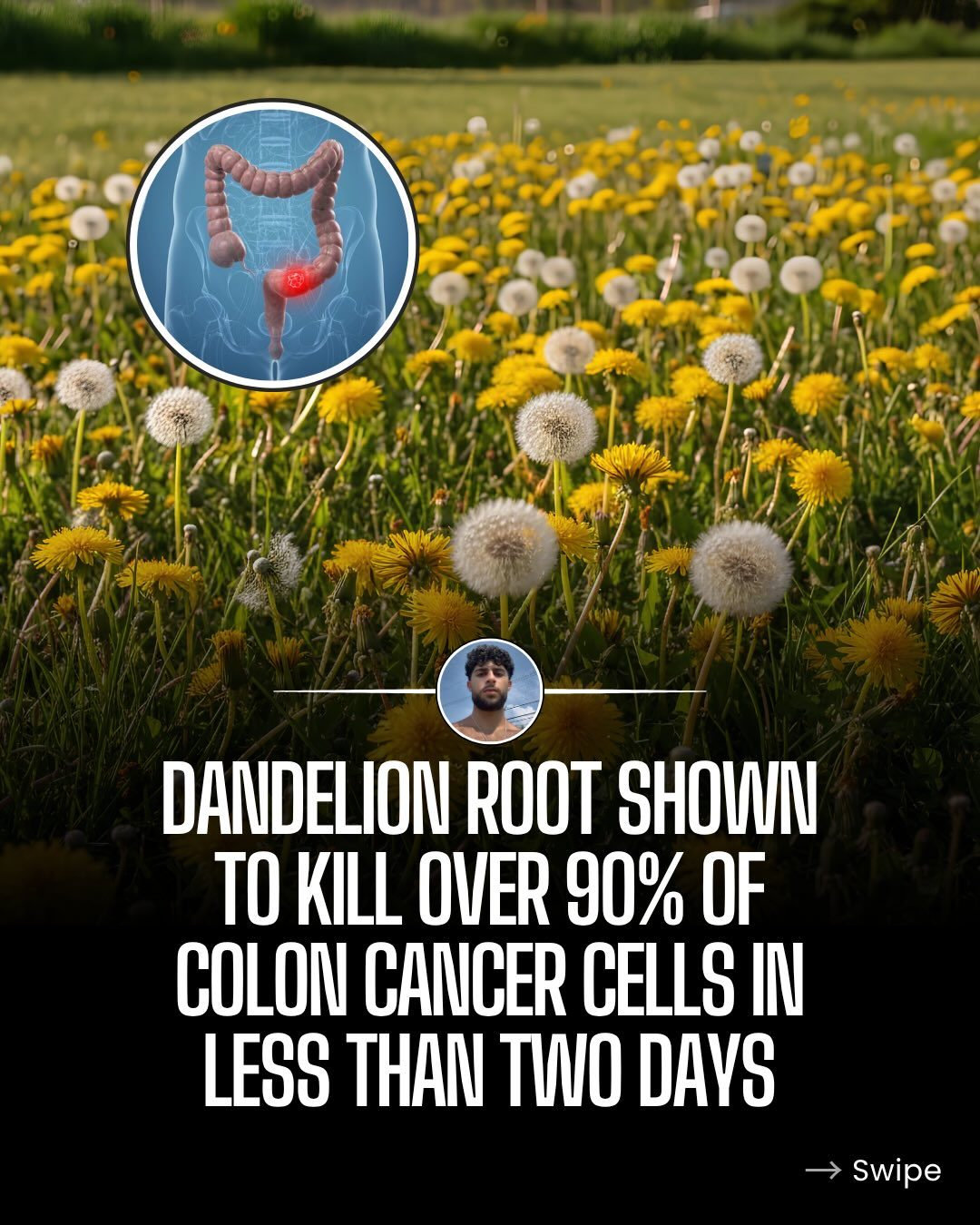
Dandelion Root Extract and Cancer Cell Death
Dandelion root extract has garnered significant attention for its potential effects on cancer cells. Recent laboratory studies have shown that this extract can kill up to 95% of certain cancer cells within 48 hours under controlled conditions. This finding has sparked interest in the plant's compounds and their potential applications in cancer therapies.
Context / Why This Matters
Dandelion root, long recognized for its medicinal properties, has been a subject of considerable scientific research. Lab findings have shown that its extract can effectively trigger the death of some cancer cells. This discovery is particularly noteworthy because it suggests that natural compounds in dandelion root may have therapeutic potential. Although these findings are in the preliminary stages, they highlight the importance of investigating plant-based remedies in modern medicine and oncology.
Main Discussion
The Research
Lab studies have provided compelling evidence for the anti-cancer properties of dandelion root. In vitro, the extract was found to be effective in killing a significant percentage of cancer cells, particularly colon cancer cells, while causing limited harm to healthy cells. Some of the most striking findings showed strong effects within 48 hours, indicating a rapid and targeted response.
Key Compounds and Mechanisms
Scientists are interested in dandelion root because it contains several key compounds that are being studied for their potential therapeutic benefits. These include:
- Polyphenols and Antioxidants: These compounds are known for their ability to neutralize harmful free radicals, reducing oxidative stress and inflammation.
- Inflammation Balance: Chronic inflammation is linked to many diseases, including cancer. Dandelion root's ability to modulate inflammation could be crucial in preventing and treating cancer.
- Oxidative Stress Defense: Oxidative stress is a condition where the body's antioxidant defenses are overwhelmed by reactive oxygen species. Dandelion root's antioxidants can help defend against this stress, protecting cells from damage.
- Cellular Signaling Pathways: These pathways are essential for cell communication and regulation. Dandelion root compounds may influence these pathways, potentially disrupting the growth and survival of cancer cells.
Modern Longevity Science
Modern longevity science often involves revisiting ancient plants and testing them with new tools. This approach is particularly relevant in the context of dandelion root, which has been used in traditional medicine for centuries. By combining ancient wisdom with modern scientific methods, researchers can uncover new applications for these plants.
Longevity Science and Cancer Research
Longevity science focuses on extending human lifespan and healthspan, which encompasses studying natural compounds that may slow aging and prevent diseases. In this context, the interest in dandelion root extract aligns with the broader goals of longevity research. By understanding how these compounds work, scientists can develop new therapies that target the underlying mechanisms of aging and cancer.
Practical Tips
Incorporating Dandelion Root into Your Diet
While the research on dandelion root is promising, it is important to approach it with caution. Dandelion root can be incorporated into your diet in several ways:
- Tea: Dandelion root tea is a popular beverage that can be made by boiling dandelion roots in water.
- Supplements: Dandelion root is available in capsule form, which can be taken as a dietary supplement.
- Cooking: Fresh dandelion roots can be used in salads, soups, and stir-fries.
Precautions and Considerations
It is essential to consult with a healthcare provider before incorporating dandelion root into your diet, especially if you have any underlying health conditions or are taking medications. While dandelion root is generally considered safe, it can interact with certain medications, such as blood thinners and diuretics.
Important Takeaways
The potential of dandelion root extract in cancer therapy is a promising area of research. The findings from lab studies suggest that this extract can effectively kill cancer cells, particularly colon cancer cells, while causing limited harm to healthy cells. The key compounds in dandelion root, including polyphenols, antioxidants, and others, are being studied for their therapeutic benefits.
Conclusion
Dandelion root extract has shown remarkable potential in cancer research, particularly in its ability to trigger the death of certain cancer cells. While these findings are in the early stages, they underscore the importance of investigating plant-based remedies in modern medicine. The key compounds in dandelion root, such as polyphenols and antioxidants, are being studied for their potential to modulate inflammation, defend against oxidative stress, and influence cellular signaling pathways.
Incorporating dandelion root into your diet, whether through tea, supplements, or cooking, can be a beneficial addition to your health regimen. However, it is crucial to consult with a healthcare provider before making any significant changes. As research continues, the potential of dandelion root in cancer therapy and longevity science will likely become more apparent, offering new avenues for prevention and treatment.
Watch the Reel
Questions readers ask
What specific compounds in dandelion root are responsible for its effects on cancer cells?
The compounds in dandelion root that have shown promise in fighting cancer include polyphenols and antioxidants. These compounds help neutralize harmful free radicals and reduce inflammation, which are key factors in the development and progression of cancer.
How effective is dandelion root extract in killing cancer cells in lab studies?
Lab studies have demonstrated that dandelion root extract can kill up to 95% of certain cancer cells, particularly colon cancer cells, within 48 hours under controlled conditions. This effectiveness has drawn significant attention to its potential in cancer therapies.
What types of cancer has dandelion root extract been studied for?
Much of the research has focused on dandelion root extract and colon cancer. The extract has shown promising results in lab studies, suggesting it may have potential benefits for patients with this type of cancer.
Can dandelion root extract be used as a standalone cancer treatment?
While dandelion root extract has shown promising results in lab studies, it is not recommended to use it as a standalone treatment. It is important to consult with healthcare professionals before incorporating any new supplement or treatment into a cancer care plan.
What are the potential benefits of dandelion root extract for cancer therapies?
Dandelion root extract offers potential benefits for cancer therapies by modulating inflammation and neutralizing harmful free radicals. These effects could be utilized alongside conventional treatments to enhance their effectiveness or mitigate side effects.
Are there clinical trials investigating dandelion root extract for cancer therapy?
As of now, most research has been conducted in laboratories. Clinical trials are necessary to validate the effectiveness of dandelion root extract in human subjects. Interested individuals should look for ongoing trials or consult with their healthcare providers for the latest information.
How does dandelion root extract compare to conventional cancer treatments?
Dandelion root extract is not a replacement for conventional cancer treatments. However, it may complement conventional therapies by enhancing their effects and reducing side effects. More research is needed to fully understand its role in cancer treatment regimens.
Related deep dives
Similar reads based on topic and creator.


Recent articles
Fresh deep dives from the latest Reels we unpacked.




Comments
Be the first to comment.