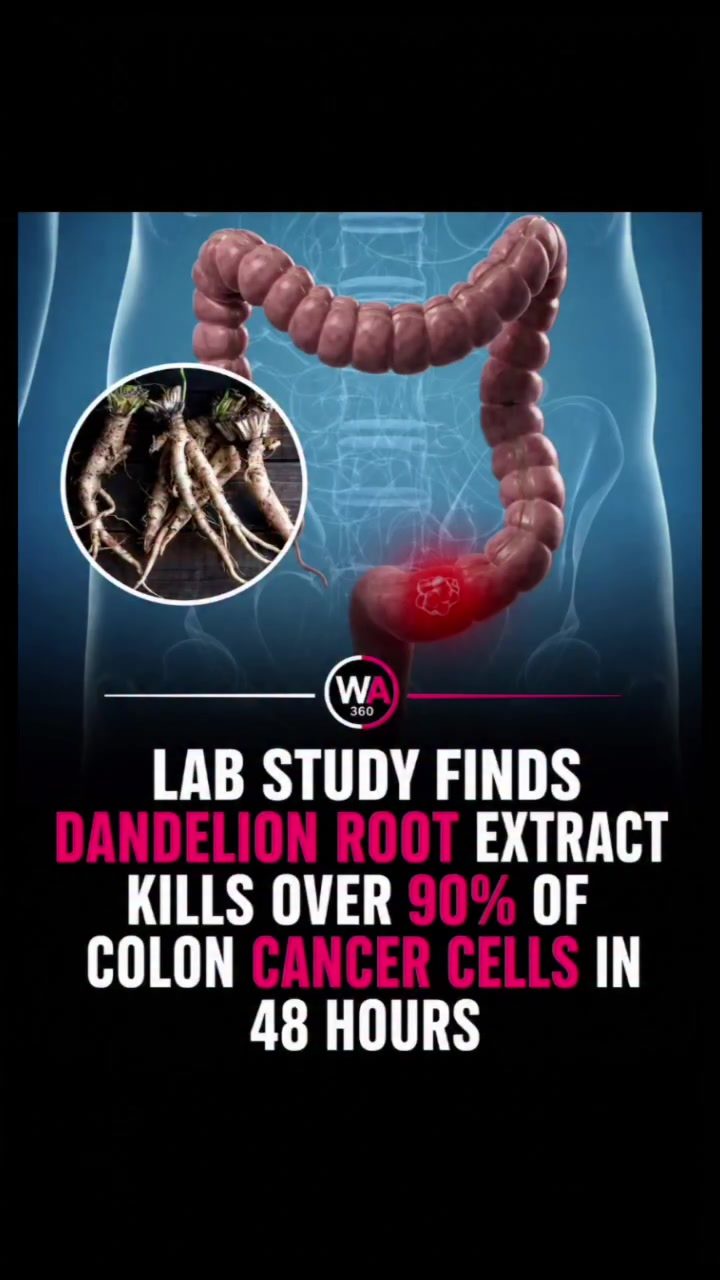
Dandelion Root Extract and Colon Cancer
Dandelion root extract has recently gained attention for its potential anti-cancer properties, particularly against colon cancer cells. Laboratory research indicates that this extract may have promising effects, but it's crucial to understand the current state of the science and the implications for human health.
Context / Why this matters
Colon cancer is the third most common cancer globally. Early detection and treatment significantly improve survival rates, but there is always a need for new, effective therapies. Recent laboratory studies have explored the potential of dandelion root extract as a supplement that could aid in the treatment of colon cancer.
Main discussion
The Science Behind Dandelion Root Extract
Dandelion root extract has been studied for its potential to inhibit the growth of colon cancer cells. Laboratory research has shown that under controlled conditions, this extract can effectively kill a significant percentage of colon cancer cells. The findings indicate that dandelion root extract may have promising anti-cancer effects, but these results are preliminary and require further validation.
How Dandelion Root Extract Affects Cancer Cells
The exact mechanisms by which dandelion root extract affects cancer cells are still under investigation. Preliminary research suggests that the extract may induce apoptosis, or programmed cell death, in cancer cells. This process is crucial for the body's natural defense against cancer. Additionally, dandelion root extract may inhibit the proliferation of cancer cells, preventing them from multiplying and spreading.
The Importance of Clinical Research
While the initial laboratory findings are promising, it is essential to conduct more clinical research to determine the safety and effectiveness of dandelion root extract in humans. Clinical trials are necessary to bridge the gap between laboratory results and real-world applications. These trials will help assess the appropriate dosage, potential side effects, and long-term impacts of using dandelion root extract as a complementary treatment.
Safety and Precautions
Although dandelion root extract shows potential as an anti-cancer agent, it is not a replacement for evidence-based medical care. Anyone dealing with cancer should always rely on professional medical advice and consult a qualified healthcare provider before incorporating any herbal supplements into their treatment plan. Herbal supplements can interact with medications and have unintended side effects.
Practical tips
Consult Healthcare Professionals
Before trying any new supplement, including dandelion root extract, consult your healthcare provider. They can provide personalized advice based on your medical history and current treatments. This step is crucial, especially if you are undergoing chemotherapy or other cancer treatments.
Choose High-Quality Products
If you decide to try dandelion root extract, ensure you purchase a high-quality product from a reputable source. Look for supplements that are standardized to contain a consistent amount of active compounds, and check for third-party certifications that verify the purity and potency of the product.
Monitor for Side Effects
Pay close attention to any side effects or adverse reactions when starting a new supplement. Report any unusual symptoms to your healthcare provider immediately. While dandelion root is generally considered safe, individual reactions can vary.
Important takeaways
- Laboratory studies suggest that dandelion root extract may have promising anti-cancer effects against colon cancer cells.
- These findings are preliminary, and more clinical research is needed to determine the safety, effectiveness, and appropriate use of dandelion root extract in humans.
- Always rely on evidence-based medical care and consult a qualified healthcare professional before using herbal supplements.
- If you are considering dandelion root extract, choose high-quality products and monitor for any side effects.
Conclusion
Dandelion root extract shows potential as a complementary treatment for colon cancer, but it is essential to approach this supplement with caution. While early laboratory research is encouraging, rigorous clinical testing is necessary to validate its effectiveness and safety in humans. If you or someone you know is dealing with colon cancer, prioritize evidence-based medical care and consult healthcare professionals for personalized advice. Always remember that scientific discoveries take time and thorough testing to translate into safe and effective treatments.
Watch the Reel
Questions readers ask
What specific effects does dandelion root extract have on colon cancer cells in laboratory studies?
Laboratory research has shown that dandelion root extract can inhibit the growth of colon cancer cells and induce cell death. This means that the extract may help slow down or even stop cancer cell proliferation, which is a critical aspect of cancer treatment.
How does dandelion root extract compare to other natural remedies for colon cancer?
Dandelion root extract stands out due to its specific effects on colon cancer cells, as shown in laboratory findings. While other natural remedies may offer general health benefits, dandelion root extract has been studied for its direct impact on colon cancer cell growth and death.
Are there any specific antioxidants in dandelion root that contribute to its potential cancer-fighting properties?
Dandelion root contains several antioxidants, such as polyphenols and flavonoids, which are believed to contribute to its potential anticancer effects. These antioxidants can help reduce inflammation and combat oxidative stress, which are key factors in cancer development and progression.
What does current colon cancer research involving dandelion root extract suggest about its potential as a colon cancer supplement?
Current research suggests that dandelion root extract has promising potential as a supplement for colon cancer prevention and treatment. However, it's important to note that most studies have been conducted in laboratory settings, and more clinical trials are needed to confirm these benefits in humans.
What is the significance of laboratory findings on dandelion root extract for colon cancer patients?
Laboratory findings on dandelion root extract provide a foundation for its potential use in colon cancer treatment. While promising, these findings should not replace conventional treatments. Patients should consult healthcare providers before incorporating any supplements into their regimens.
Related deep dives
Similar reads based on topic and creator.

Recent articles
Fresh deep dives from the latest Reels we unpacked.




Comments
Be the first to comment.