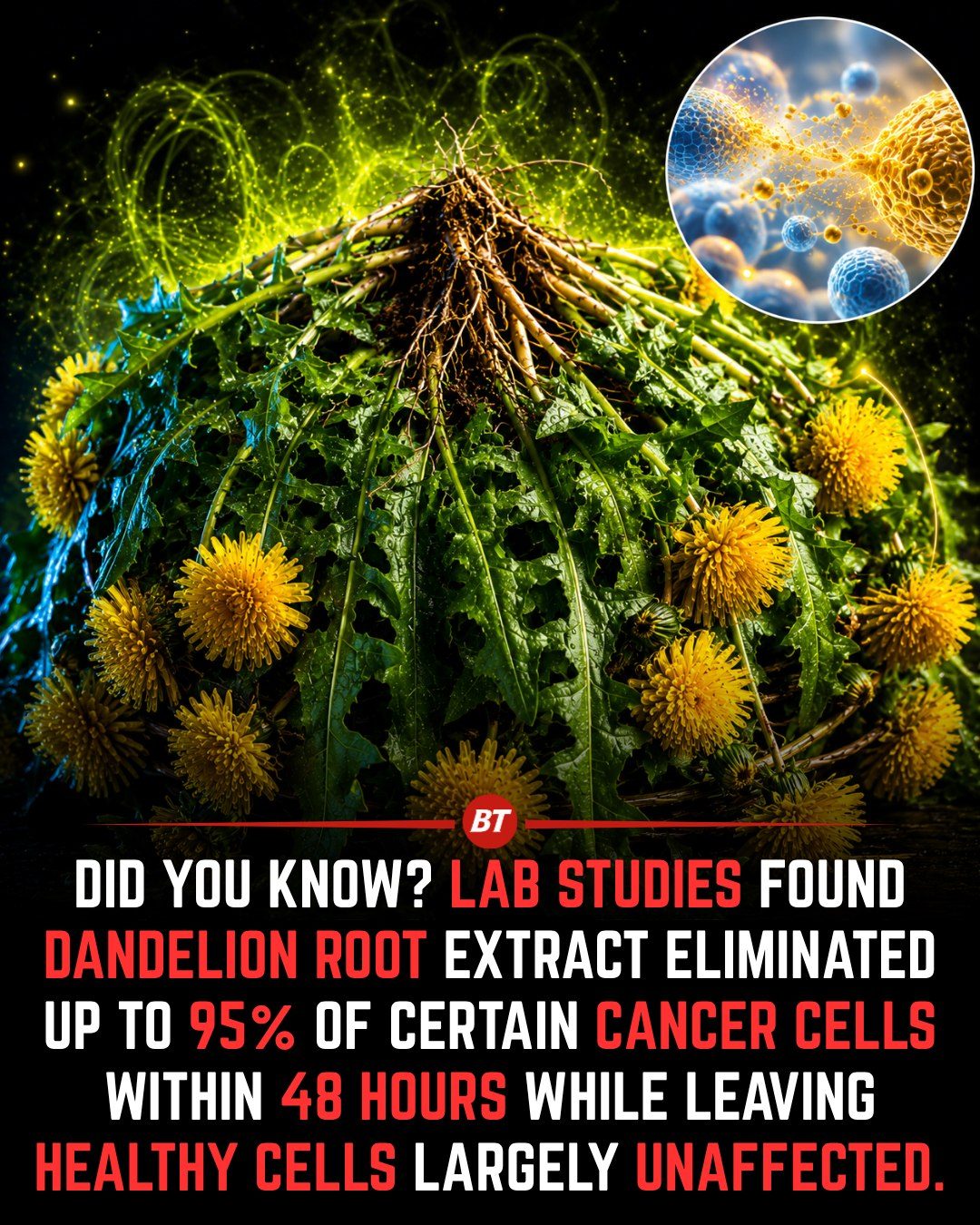
Dandelion Root Extract
The humble dandelion, often dismissed as a mere weed, has garnered significant interest from cancer researchers worldwide. The root of this common plant, dandelion, has been a staple in traditional herbal medicine for centuries, primarily used to support digestive health and liver function. However, recent scientific investigations have unveiled a different, more intriguing facet of dandelion root: its potential to combat cancer.
Why this matters
Dandelion root extract has shown promise in laboratory studies, where it has been found to trigger programmed cell death (apoptosis) in certain cancer cell lines. This selective action, which largely spares healthy cells, has piqued the interest of scientists exploring novel cancer treatments. Understanding the compounds in dandelion root that may be responsible for these effects could lead to innovative therapeutic applications.
Main discussion
The Science Behind Dandelion Root Extract
Laboratory studies have revealed that dandelion root extract can eliminate up to 95% of certain cancer cells within 48 hours. This remarkable finding is particularly noteworthy because the extract has a far less pronounced effect on healthy cells under the same experimental conditions. This selectivity is crucial in cancer research, as it suggests that dandelion root extract could potentially target cancer cells while leaving healthy tissues relatively unharmed.
The key to dandelion root's potential lies in its rich composition of biologically active compounds. These include:
- Polyphenols: Known for their antioxidant properties, polyphenols can help neutralize harmful free radicals in the body.
- Sesquiterpene Lactones: These compounds have been studied for their anti-inflammatory and anticancer properties.
- Flavonoids: Flavonoids are plant compounds with potent antioxidant and anti-inflammatory effects.
- Antioxidants: These compounds help protect cells from damage caused by oxidative stress.
Researchers believe that these compounds may influence cellular signaling pathways involved in cell growth and survival. By modulating these pathways, dandelion root extract could potentially inhibit the proliferation of cancer cells while promoting the health of normal cells.
Traditional Uses and Modern Research
Beyond its potential in cancer research, dandelion root has long been valued for its traditional medicinal uses. It has been used to support digestion and liver health, and its rich content of antioxidants and plant compounds makes it a valuable addition to a wellness regimen. Every part of the dandelion plant is edible, including the roots, leaves, and flowers, making it one of the most nutrient-dense wild plants commonly found around the world.
The Need for Further Research
It's important to note that while the findings from laboratory studies are promising, they do not necessarily translate directly to the human body. The complexity of the human body means that results observed in a laboratory dish may not occur in the same way in living organisms. Further research is needed to fully understand the potential therapeutic applications of dandelion root extract and to determine its safety and efficacy in clinical settings.
Practical tips
While the research on dandelion root extract is promising, it is not a substitute for medical treatment. If you are interested in incorporating dandelion root into your wellness routine, consider the following tips:
- Consult a Healthcare Professional: Before adding any new supplement to your regimen, consult with a healthcare provider to ensure it is safe and appropriate for your individual health needs.
- Choose High-Quality Products: If you decide to try dandelion root extract, opt for high-quality products from reputable sources. Look for supplements that are standardized to contain a specific amount of active compounds.
- Incorporate into Your Diet: Consider adding dandelion greens to your salads or smoothies. Dandelion tea, made from the leaves or roots, is another way to incorporate this plant into your diet.
- Monitor Your Body's Response: Pay attention to how your body responds to dandelion root. If you experience any adverse effects, discontinue use and consult a healthcare professional.
Important takeaways
- Dandelion root extract has shown promise in laboratory studies for its ability to trigger programmed cell death in certain cancer cells while largely sparing healthy cells.
- The plant is rich in biologically active compounds, including polyphenols, sesquiterpene lactones, flavonoids, and antioxidants, which may influence cellular signaling pathways involved in growth and survival.
- Traditional uses of dandelion root include supporting digestion and liver health, and every part of the plant is edible and nutritious.
- Further research is needed to fully understand the potential therapeutic applications of dandelion root extract in clinical settings and to determine its safety and efficacy.
Conclusion
The common backyard weed, dandelion, holds more than just historical medicinal value. Its root extract has captured the attention of scientists for its potential anticancer properties. While more research is needed to fully understand and harness these benefits, dandelion root extract offers a fascinating glimpse into the potential of natural compounds in modern medicine. Whether you're intrigued by its potential health benefits or simply appreciate its traditional uses, dandelion root is a plant worth exploring further.
Watch the Reel
Questions readers ask
What makes dandelion root extract a subject of interest in cancer research?
Dandelion root extract has garnered attention in cancer research due to its ability to induce programmed cell death in certain cancer cells. This process, known as apoptosis, can eliminate up to 95% of specific cancer cells within 48 hours in laboratory settings, while largely leaving healthy cells unharmed. This selective action makes it a promising area of study for potential cancer therapies.
How does dandelion root extract target cancer cells?
Dandelion root extract contains specific compounds that can trigger apoptosis, or programmed cell death, in cancer cells. This process is initiated when the extract interacts with certain molecular pathways in cancer cells, leading to their self-destruction. Notably, these compounds seem to have minimal impact on healthy cells, which is a key aspect of their potential therapeutic use.
What are the benefits of using natural compounds like dandelion root extract in cancer research?
Natural compounds, including those found in dandelion root extract, offer a range of benefits in cancer research. They often have fewer side effects compared to traditional chemotherapy drugs and can provide new avenues for developing targeted therapies. Additionally, they may offer complementary or alternative approaches to conventional cancer treatments, enhancing overall patient care.
What are the key findings from laboratory studies on dandelion root extract and cancer?
Laboratory studies have shown that dandelion root extract can induce apoptosis in various cancer cell lines, effectively eliminating up to 95% of certain cancer cells within 48 hours. This dramatic effect has been observed in different types of cancer cells, highlighting the potential of dandelion root extract as a broad-spectrum anti-cancer agent.
Can dandelion root extract be used as a standalone cancer treatment?
While dandelion root extract shows promising results in laboratory studies, it is important to note that more research is needed before it can be considered a standalone cancer treatment. Current studies primarily focus on its potential as a complementary therapy. Patients should always consult with healthcare professionals before incorporating dandelion root extract or any other herbal supplement into their treatment regimen.
What are the next steps in researching dandelion root extract for cancer treatment?
The next steps in researching dandelion root extract for cancer treatment involve conducting clinical trials to assess its efficacy and safety in humans. These trials will help determine the optimal dosage, delivery methods, and potential side effects. Additionally, further laboratory studies are needed to identify the specific anti-cancer compounds in dandelion root and understand their mechanisms of action.
How does dandelion root extract compare to other cancer-fighting herbs?
Dandelion root extract stands out among cancer-fighting herbs due to its ability to induce apoptosis in a wide range of cancer cells while sparing healthy cells. While other herbs like turmeric, garlic, and green tea also exhibit anti-cancer properties, dandelion root extract's targeted and potent action on cancer cells makes it a particularly compelling subject for further investigation.
Recent articles
Fresh deep dives from the latest Reels we unpacked.




Comments
Be the first to comment.