Nutritional Benefits of Nuts
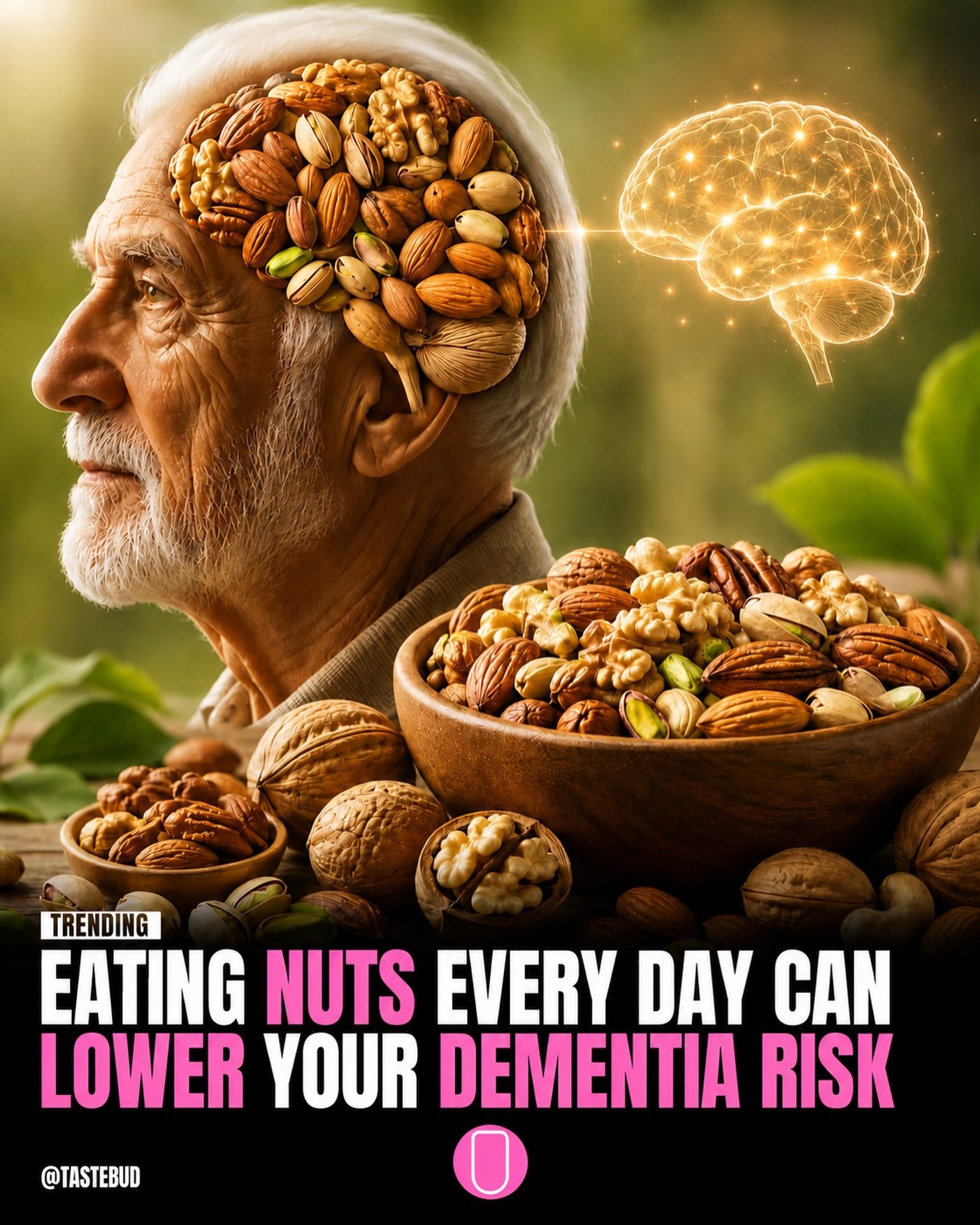
Incorporating nuts into your daily diet could offer more than just a tasty snack. Recent research has shown that consuming nuts on a regular basis is associated with a lower risk of dementia. This suggests that the nutrients in nuts may play a significant role in supporting overall brain health.
Why This Matters
Dementia is a growing concern worldwide, affecting millions of people and their families. Understanding the potential ways to lower the risk of developing dementia is crucial. While there is no guaranteed fix, small lifestyle changes can have a cumulative impact on long-term health. Eating nuts daily is one such simple change that could contribute to better brain health. This makes it an important topic for anyone interested in maintaining cognitive well-being as they age.
Main Discussion
The Nutritional Profile of Nuts
Nuts are packed with a variety of nutrients that are beneficial for brain health. They are a rich source of healthy fats, proteins, vitamins, and minerals. Some of the key nutrients found in nuts include:
- Omega-3 Fatty Acids: Found in nuts like walnuts, omega-3s are essential for brain function and cognitive health.
- Vitamin E: Almonds and hazelnuts are high in vitamin E, which acts as an antioxidant and helps protect the brain from oxidative damage.
- Magnesium: Found in nuts like cashews and almonds, magnesium is crucial for brain health and has been linked to improved memory and learning.
- Fiber and Protein: Nuts are a great source of fiber and protein, which can help maintain overall health and support cognitive function.
How Nuts Support Brain Health
Research has shown that the nutrients in nuts can support brain health in several ways:
- Reducing Inflammation: The anti-inflammatory properties of nuts can help reduce inflammation in the brain, which is a common factor in cognitive decline.
- Improving Blood Flow: The healthy fats in nuts can improve blood flow to the brain, ensuring that it receives the oxygen and nutrients it needs to function properly. The brain is highly dependent on blood flow for optimal performance.
- Neuroprotection: Certain compounds in nuts, such as polyphenols, have neuroprotective properties that can help guard brain cells against damage.
The Study on Nuts and Dementia
A study found that participants who regularly consumed nuts showed about a 12% lower risk of dementia across several years. This correlation suggests that the nutrients in nuts may support brain health. Researchers believe that the combination of healthy fats, antioxidants, and other beneficial compounds in nuts may contribute to this protective effect. While more research is needed to fully understand the mechanisms at play, the findings are promising and highlight the potential benefits of including nuts in your diet.
Practical Tips
Choosing the Right Nuts
Different types of nuts offer different nutritional benefits. To get the most out of your nut consumption, consider incorporating a variety of nuts into your diet:
- Almonds: High in vitamin E and magnesium, almonds are great for brain health.
- Walnuts: Rich in omega-3 fatty acids, walnuts are particularly beneficial for cognitive function.
- Cashews: A good source of magnesium and copper, cashews support overall brain health.
- Pistachios: High in plant sterols, which can help reduce cholesterol levels and improve heart health.
Incorporating Nuts into Your Diet
Adding nuts to your diet can be easy and enjoyable. Here are some practical tips:
- Snacking: Keep a small bowl of mixed nuts on your desk or in your kitchen for a quick and healthy snack.
- Baking: Use nuts in your baking recipes to add flavor and nutrition.
- Salads: Sprinkle chopped nuts over your salads for added crunch and nutrition.
- Smoothies: Blend nuts into your smoothies for a creamy texture and nutrient boost.
Important Takeaways
Eating nuts daily can be a simple and tasty way to support brain health. The nutrients in nuts, including omega-3 fatty acids, vitamin E, and magnesium, play a crucial role in maintaining cognitive function. While more research is needed to fully understand the mechanisms, incorporating nuts into your diet could be a beneficial habit for long-term brain health. Daily consumption of nuts may contribute to a lower risk of dementia and offer a range of other health benefits, supporting heart health.
Conclusion
Incorporating nuts into your daily diet is a simple yet powerful step towards maintaining brain health. With their rich nutritional profile and potential to support cognitive function, nuts are a valuable addition to any diet. So, go ahead and snack on some almonds, walnuts, or cashews – your brain will thank you.
Watch the Reel
Questions readers ask
Which specific nuts are best for brain health?
While all nuts offer some benefits, walnuts, almonds, and hazelnuts are particularly noted for their high levels of omega-3 fatty acids and vitamin E, making them excellent choices for supporting brain health.
How many nuts should I consume daily to potentially lower my dementia risk?
Studies suggest that consuming a handful of nuts, roughly 1 ounce or about 28 grams, per day is associated with a lower risk of dementia. This amount provides a good balance of nutrients without adding excessive calories.
What are the key nutrients in nuts that support brain health?
Nuts are rich in several key nutrients that support brain health, including omega-3 fatty acids, vitamin E, and healthy fats. These nutrients help reduce inflammation and oxidative stress, both of which are linked to cognitive decline.
Can consuming nuts improve cognitive function?
While more research is needed, regular nut consumption has been shown to improve cognitive function and lower the risk of cognitive decline. The healthy fats, proteins, and minerals in nuts may contribute to better memory, concentration, and overall brain performance.
Is it better to eat nuts raw or roasted for brain health?
Raw nuts are generally recommended for maximum brain health benefits, as roasting can sometimes reduce the nutrient content. However, a moderate amount of roasted nuts can still be beneficial, especially if they are not salted or heavily processed.
Can nut butters provide the same brain health benefits as whole nuts?
Nut butters can provide similar benefits, but it's important to choose natural, unsweetened varieties. Whole nuts may offer more fiber and a greater sense of satiety, but nut butters are a convenient alternative and can be easily incorporated into meals and snacks.
How do nuts compare to fish in providing omega-3 fatty acids for brain health?
While fish, particularly fatty fish like salmon, is an excellent source of omega-3 fatty acids, nuts also provide a significant amount, especially walnuts and almonds. Including a mix of both in your diet can help ensure you get a well-rounded intake of these essential fatty acids.
Related deep dives
Similar reads based on topic and creator.



Recent articles
Fresh deep dives from the latest Reels we unpacked.




Comments
Be the first to comment.