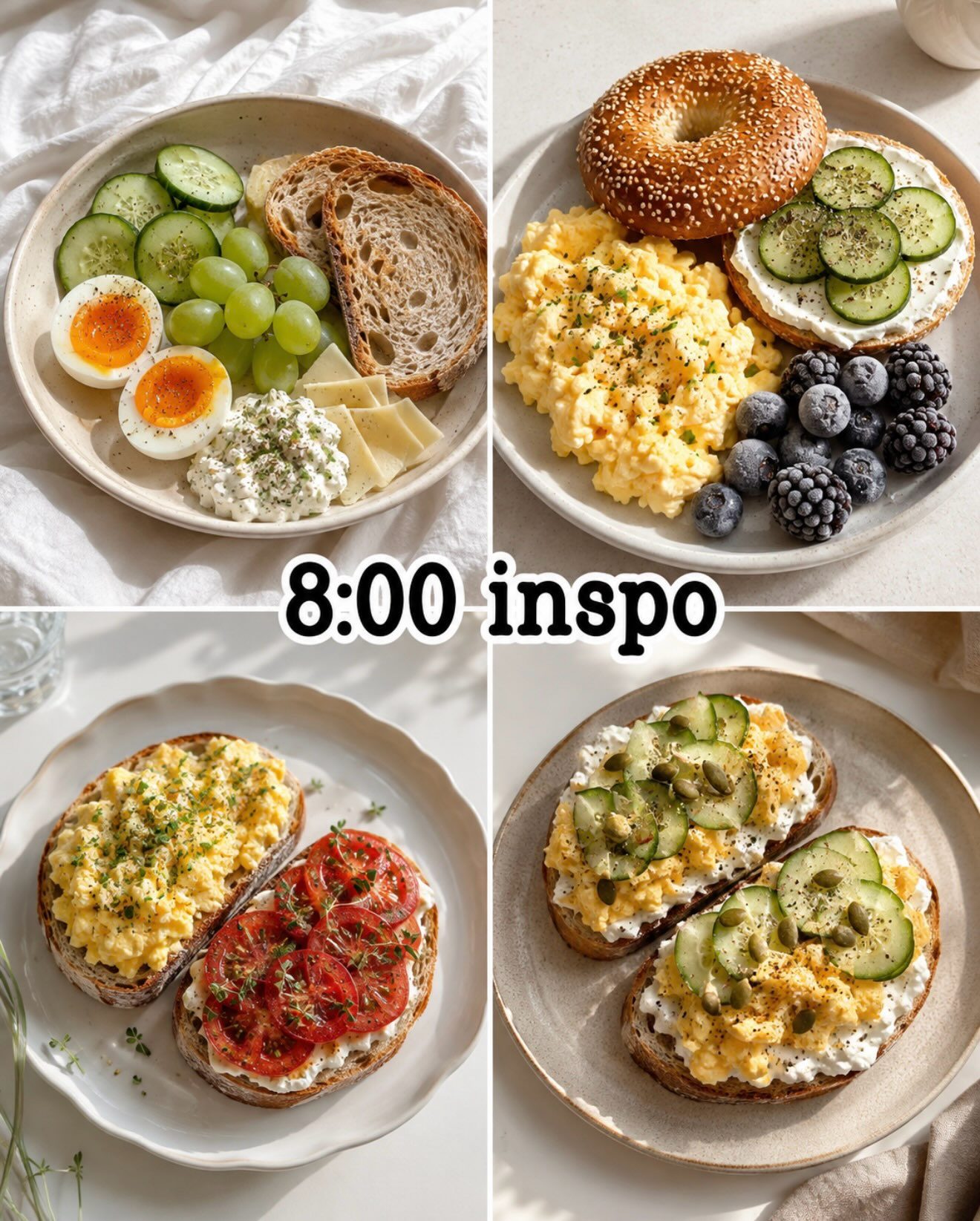
Meal Inspiration and Nutrition Tracking for a Balanced Diet
Imagine waking up every morning with a clear plan for nutritious and satisfying meals throughout the day. This is the essence of thoughtful meal planning, which can keep you energized and consistent in your daily routine. The key is to focus on building balanced meals that include protein, carbohydrates, healthy fats, fruits, and vegetables. Let's delve into how you can structure your meals for optimal nutrition and energy.
Why This Matters
Proper nutrition is essential for maintaining energy levels, supporting overall health, and achieving fitness goals. A balanced diet ensures that your body receives the necessary nutrients to function optimally. By planning your meals, you can avoid the pitfalls of impulsive eating and ensure that you get a variety of nutrients throughout the day.
Building Balanced Meals
Protein: The Building Block
Protein is crucial for muscle repair and growth, as well as for keeping you feeling full and satisfied. Incorporate a source of protein in every meal. Options include eggs, cottage cheese, chicken, tofu, and yogurt. For breakfast, eggs and cottage cheese are excellent choices. For lunch, consider a chicken or tofu salad. Dinner can include shrimp pasta or a wrap with chicken and greens. The variety ensures that you get a range of nutrients and keeps your meals interesting.
Carbohydrates: Your Energy Source
Carbohydrates provide the energy your body needs to function. Opt for filling carbohydrates like bread, rice, and vegetables. For breakfast, pair your protein with bread or a bagel. Lunch can include a colorful snack plate with fruits and vegetables, or a chicken salad with rice. Dinner options could be pasta, wraps, or avocado toast, all of which provide a balanced mix of carbs and nutrients.
Healthy Fats: Essential for Health
Healthy fats are vital for brain function, hormone regulation, and the absorption of certain vitamins. Incorporate sources like avocado, olive oil, and nuts. Avocado pairs well with eggs or in a wrap, while olive oil can be used in salads and pasta dishes. Nuts are a great snack option that can be easily portioned and carried with you.
Fruits and Vegetables: Nutrient Powerhouses
Fruits and vegetables are packed with vitamins, minerals, and fiber. They add flavor, texture, and color to your meals. Fresh fruit for breakfast, a colorful snack plate for lunch, and a side of greens for dinner ensure that you get a variety of nutrients. Overwhelmed by complicated recipes? No problem. Choose one protein, one filling carbohydrate, some produce, and a source of healthy fat. Adjust the portions and meal times around your hunger, activity level, schedule, and goals.
Meal Timing and Adjustments
Meal times don't have to be rigid. The goal is to strike a balance that works for you. If you're more active in the morning, a hearty breakfast might be ideal. If you have a busy afternoon, a filling lunch can keep you energized. Adjust portion sizes and meal times based on your hunger and activity level. Remember, the key is consistency and finding what works best for you.
Nutrition Tracking with Mobile Apps
Tracking your nutrition can help you stay on track and make informed decisions about your diet. Apps like Water Foundation offer comprehensive tools for tracking water intake, workouts, and nutrition. With features like a 'Start Program' and rewards for healthy habits, these apps make it easier to maintain a balanced lifestyle. By logging your meals, you can monitor your nutrient intake, make adjustments, and ensure you're meeting your goals.
Key Features of Nutrition Tracking Apps
- Water Intake Tracking: Staying hydrated is crucial for overall health. Apps allow you to log your water intake and set reminders to drink regularly.
- Workout Tracking: Combine your nutrition plan with a structured workout routine. Track your exercises, monitor progress, and stay motivated with rewards and achievements.
- Nutrition Logging: Keep a detailed log of your meals, including calories, protein, carbs, and fat. This helps you understand your diet better and make necessary adjustments.
- Customizable Plans: Create a personalized nutrition plan based on your goals, activity level, and dietary preferences. Whether you want to build muscle, lose weight, or maintain a healthy lifestyle, these apps offer customizable options to suit your needs.
Practical Tips for Meal Planning
- Plan Ahead: Spend a few minutes each week planning your meals. This ensures you have all the ingredients you need and reduces the stress of last-minute decisions.
- Prep in Advance: Prepare meals in advance to save time during the week. Chop vegetables, cook protein, and portion out snacks. This makes it easier to grab a healthy meal on the go.
- Stay Flexible: Life happens, and sometimes plans change. Be flexible with your meal times and adjust as needed. The goal is to maintain a balanced diet, not to stick rigidly to a plan.
- Listen to Your Body: Pay attention to your hunger and fullness cues. Adjust portion sizes based on your body's needs and activity level.
- Experiment with Recipes: While simple meals are convenient, don't be afraid to try new recipes. Adding variety keeps your meals interesting and ensures you get a range of nutrients.
- Stay Hydrated: Proper hydration is crucial for overall health and energy levels. Drink plenty of water throughout the day and use an app to track your intake if needed.
Important Takeaways
- Balance is Key: A balanced diet with a mix of protein, carbs, healthy fats, and produce is essential for energy and overall health.
- Plan Ahead: Meal planning saves time and ensures you have nutritious options readily available.
- Stay Flexible: Adjust your meals and portion sizes based on your body's needs and activity level.
- Track Your Nutrition: Use mobile apps to track water intake, workouts, and nutrition. Features like 'Start Program' and rewards can help you stay motivated and consistent.
- Listen to Your Body: Pay attention to your hunger and fullness cues, and make adjustments as needed.
Conclusion
Building a balanced diet doesn't have to be complicated. By focusing on a mix of protein, carbs, healthy fats, fruits, and vegetables, you can create satisfying and nutritious meals that keep you energized throughout the day. Use mobile apps to track your nutrition and stay consistent with your goals. With a little planning and flexibility, you can enjoy a variety of delicious and healthy meals that support your overall well-being.
Watch the Reel
Questions readers ask
How can I ensure my meals are balanced throughout the day?
To create balanced meals, include a mix of macronutrients: protein, carbohydrates, and healthy fats. For instance, a breakfast of Greek yogurt with mixed berries and a drizzle of honey provides protein, carbohydrates, and healthy fats.
What are some easy protein-rich foods to incorporate into my meals?
Foods like eggs, chicken breast, turkey, fish, and plant-based options such as lentils, chickpeas, and tofu are excellent sources of protein. Try to include one or two servings of protein in each meal to support muscle recovery and growth.
How can I use a meal prep app to help with my daily meal planning?
Meal prep apps can simplify your daily meal planning by allowing you to log your meals, create shopping lists, and track your nutrient intake. Apps like MyFitnessPal or Mealime can help you stay organized and consistent with your nutrition goals.
What are some nutritious meal ideas for a busy day?
For busy days, opt for simple, high-protein meals like a turkey and avocado wrap for lunch or a quick stir-fry with chicken, vegetables, and brown rice for dinner. Prepping meals in advance can save time and keep you on track with your fitness goals.
Why is it important to include fruits and vegetables in my daily meal plan?
Fruits and vegetables are packed with essential vitamins, minerals, and fiber. Aim for at least 3-4 servings of vegetables and 2-3 servings of fruits each day. They can be incorporated into meals and snacks, adding both flavor and nutritional benefits.
How can I create a one day meal plan that supports my fitness goals?
Start with a balanced breakfast, like oatmeal with fruits and a scoop of protein powder. For lunch, include lean protein, whole grains, and a side of vegetables. For dinner, consider grilled salmon, quinoa, and a salad. Don't forget snacks, such as a handful of almonds and an apple. This ensures a steady supply of nutrients to fuel your workouts.
What are the benefits of including healthy fats in my meals?
Healthy fats, found in foods like avocados, nuts, seeds, and olive oil, are essential for brain function, absorbing fat-soluble vitamins, and maintaining healthy skin. They also promote satiety, helping you feel full and satisfied after meals. Include a serving of healthy fats in each meal to support overall health.
Recent articles
Fresh deep dives from the latest Reels we unpacked.




Comments
Be the first to comment.