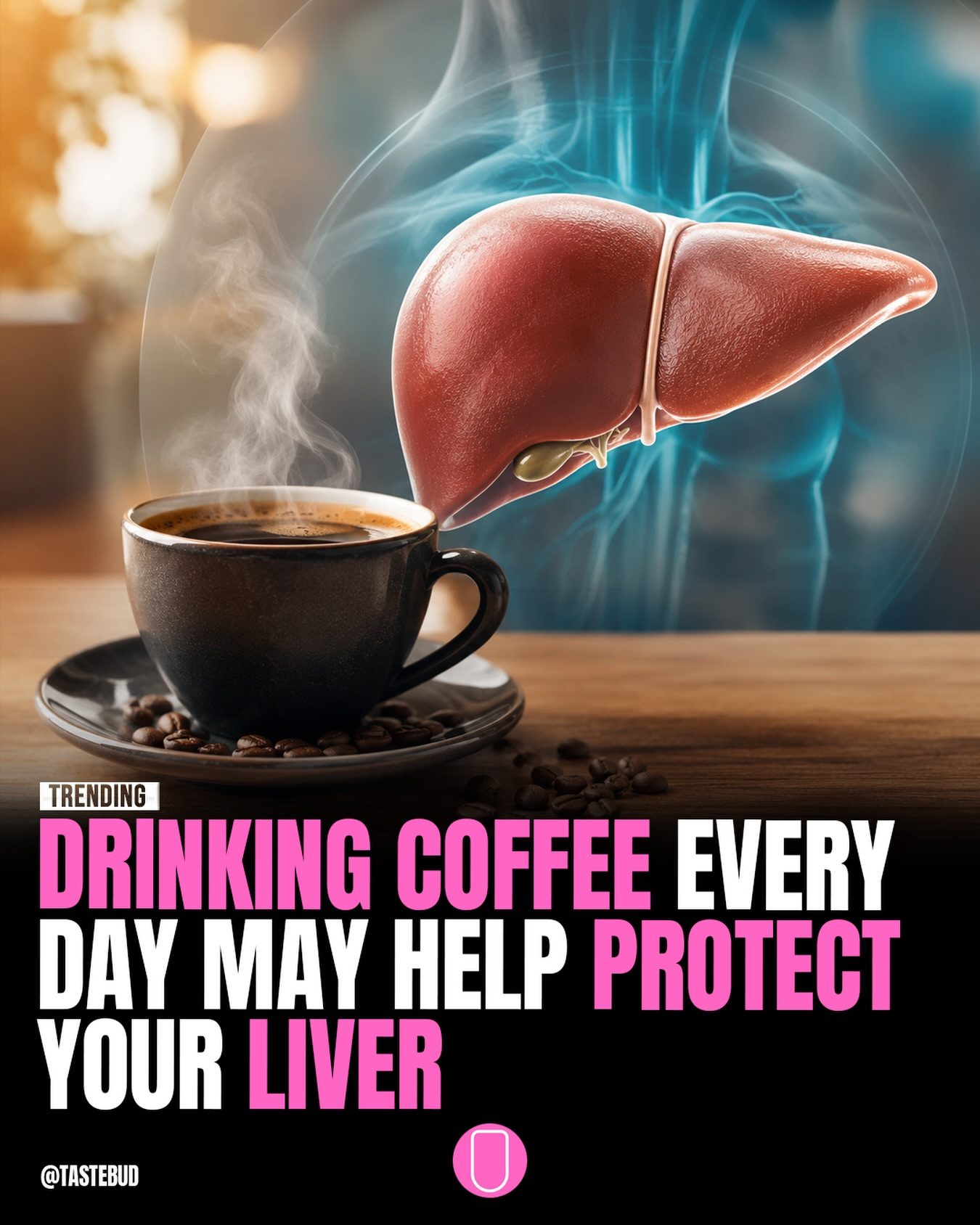
Daily coffee consumption and liver health
Coffee is a beloved beverage worldwide, and its potential health benefits have been a subject of interest for many years. There are many studies that suggest drinking coffee regularly can help protect your liver — one of the most consistent findings linked to coffee.
Context / Why this matters
The liver is a vital organ that plays a crucial role in various bodily functions, including detoxification, protein synthesis, and producing biochemicals necessary for digestion. Maintaining liver health is essential for overall well-being. Given the liver's importance, understanding factors that can contribute to its health is of great interest.
Main discussion
The role of coffee in liver health
Research has consistently shown that daily coffee consumption is associated with lower rates of liver disease. This benefit applies to both regular and decaf coffee, indicating that the protective effects are not solely due to caffeine.
Compounds in coffee and liver health
Researchers believe that certain compounds in coffee may help reduce inflammation and protect the liver. These compounds can influence various metabolic processes and potentially mitigate the risk of liver diseases. Some of the key compounds include:
- Chlorogenic acids: These are a group of esters found in coffee that have antioxidant and anti-inflammatory properties. They are believed to help protect liver cells from damage.
- Caffeine: While caffeine is a stimulant, it also has antioxidant properties. It can help reduce inflammation and improve liver enzyme levels.
- Melanoids: These are formed during the roasting process of coffee beans and have been shown to have antioxidant effects.
Regular coffee consumption
Drinking coffee every day can offer liver-protective benefits in several ways. Regular coffee drinkers tend to have:
- Lower rates of liver cirrhosis: Cirrhosis is a condition where the liver becomes scarred and damaged, often due to long-term liver disease or excessive alcohol consumption. Coffee consumption can help reduce the risk of developing cirrhosis.
- Reduced risk of liver cancer: Some studies have suggested that coffee drinkers may have a lower risk of developing liver cancer. Researchers believe this may be due to the antioxidant and anti-inflammatory properties of coffee compounds.
- Improved liver enzyme levels: Coffee consumption has been linked to improved levels of liver enzymes, which are indicators of liver health. Regular coffee drinkers often have lower levels of these enzymes, suggesting better liver function.
Decaf coffee and liver health
Decaf coffee also offers liver-protective benefits, indicating that the benefits are not solely due to caffeine. Decaf coffee contains many of the same compounds as regular coffee, such as chlorogenic acids and melanoids, which can contribute to liver health.
Mechanisms of action
The exact mechanisms by which coffee protects the liver are not fully understood. However, researchers have proposed several theories:
- Reduced inflammation: Coffee compounds may help reduce inflammation in the liver, which can prevent or slow down the progression of liver diseases.
- Increased antioxidant activity: The antioxidants in coffee can help neutralize harmful free radicals, reducing oxidative stress and protecting liver cells from damage.
- Enhanced enzyme function: Coffee consumption has been linked to improved levels of liver enzymes, which are essential for various metabolic processes.
Practical tips
Incorporating coffee into your diet
To reap the potential liver-protective benefits of coffee, consider incorporating it into your daily routine. Here are some practical tips:
- Start with one cup a day: If you're not already a coffee drinker, start with one cup a day and gradually increase your intake if desired. This will help your body adjust to the caffeine and other compounds in coffee.
- Choose high-quality coffee: Opt for high-quality, freshly brewed coffee to ensure you're getting the full range of beneficial compounds. Avoid instant coffee or low-quality blends, as they may contain fewer beneficial compounds.
- Consider decaf coffee: If you're sensitive to caffeine or prefer to avoid it, decaf coffee can still offer liver-protective benefits. Look for high-quality decaf coffee that has been processed using a gentle method, such as the Swiss Water Process, to preserve the beneficial compounds.
- Limit added sugars and creams: To maximize the health benefits of coffee, try to limit added sugars, creams, and other high-calorie additives. Black coffee or coffee with a small amount of milk can be a healthier option.
- Consult with a healthcare professional: If you have any concerns about your liver health or are considering making significant changes to your diet, consult with a healthcare professional. They can provide personalized advice and guidance based on your specific needs and health status.
Monitoring your liver health
Regular check-ups and monitoring can help you stay on top of your liver health. Here are some important aspects to consider:
- Get regular liver function tests: These tests can help detect any abnormalities in your liver function and identify potential issues early.
- Monitor your alcohol intake: Excessive alcohol consumption can harm the liver, so it's essential to monitor your intake and stay within recommended limits.
- Maintain a healthy lifestyle: A balanced diet, regular exercise, and adequate sleep can all contribute to better liver health.
Important takeaways
While coffee is not a cure for liver disease, it can offer liver-protective benefits as part of a healthy lifestyle. Daily coffee consumption, including both regular and decaf varieties, has been associated with lower rates of liver disease. This is attributed to the presence of certain compounds that help reduce inflammation and protect liver cells.
Conclusion
Incorporating coffee into your daily routine may offer liver-protective benefits. Regular coffee consumption has been linked to lower rates of liver disease, including cirrhosis and liver cancer. Both regular and decaf coffee can provide these benefits, thanks to the presence of beneficial compounds such as chlorogenic acids, caffeine, and melanoids. To maximize the potential benefits, choose high-quality coffee, limit added sugars and creams, and consult with a healthcare professional for personalized advice. By making informed choices and maintaining a healthy lifestyle, you can support your liver health and overall well-being.
Watch the Reel
Questions readers ask
How does daily coffee consumption benefit the liver?
Daily coffee consumption has been linked to a decrease in liver disease rates. This is due to compounds in coffee, such as chlorogenic acids and caffeine, which can reduce inflammation and support overall liver health. Regular coffee drinkers can benefit from this protective effect.
Are the benefits of coffee on liver health only from regular coffee, or does decaf offer the same advantages?
Both regular and decaf coffee varieties have been shown to offer protective benefits for the liver. While regular coffee contains caffeine, decaf coffee still has beneficial compounds like chlorogenic acids and melanoids, which contribute to liver support and reduced inflammation.
What specific compounds in coffee contribute to liver protection?
Several compounds in coffee are known for their role in liver protection. Chlorogenic acids, caffeine, and melanoids are key components that help reduce inflammation, aiding in the prevention of liver disease and supporting liver health.
How much coffee should I drink daily to support liver health?
The exact amount of coffee needed for liver benefits can vary, but many studies suggest that drinking 1-2 cups of coffee per day can offer protective effects. However, it's important to consider individual tolerance and overall health when determining daily coffee intake.
Can coffee help with existing liver disease, or is it only preventive?
While coffee consumption is primarily associated with preventive benefits for liver disease, some studies suggest that it may also help in managing existing liver conditions. The anti-inflammatory properties of coffee can support liver health, potentially reducing the progression of liver disease.
Are there any specific studies that support the link between coffee and liver health?
Numerous studies have been conducted on the relationship between coffee and liver health, consistently finding that coffee drinkers have lower rates of liver disease. These studies have been conducted on various populations and have shown that both regular and decaf coffee consumption can offer protective benefits.
Related deep dives
Similar reads based on topic and creator.



Recent articles
Fresh deep dives from the latest Reels we unpacked.




Comments
Be the first to comment.