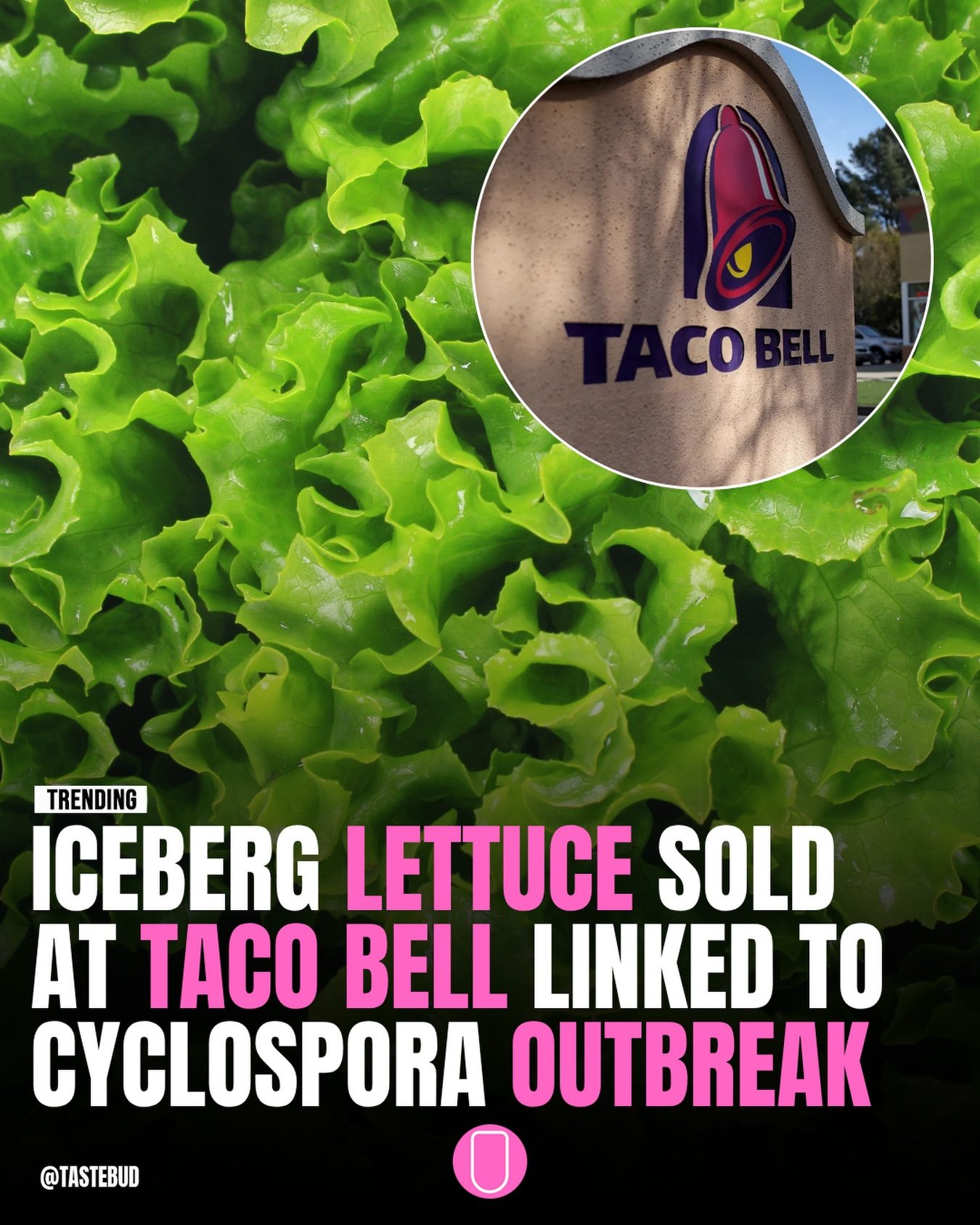
Taco Bell Lettuce Recall
Cyclospora outbreaks linked to Taco Bell's iceberg lettuce have sparked concern, highlighting the potential risks in shared food supply chains. Health officials have traced a major outbreak to the shredded lettuce used in certain Taco Bell locations. This lettuce was supplied across multiple states and has been linked to over 1,600 confirmed illness cases. The outbreak, however, may be even larger, with more cases still being identified.
Context / Why this Matters
Cyclospora is a parasite that can cause Cyclosporiasis, a diarrheal illness. Symptoms of this illness can include watery diarrhea, loss of appetite, weight loss, stomach cramps, bloating, increased gas, nausea, and fatigue. While it is typically not life-threatening, it can cause severe discomfort and complications, especially for those with weakened immune systems. The outbreak underscores the importance of vigilant food safety practices and the potential risks associated with contaminated ingredients in widely distributed food products.
Main Discussion
The Supply Chain and Contamination
The outbreak was traced back to a single supplier, which disrupted multiple Taco Bell locations across several states. This highlights the vulnerability of the food supply chain. When a single ingredient, like lettuce, is contaminated and widely distributed, it can lead to a significant number of illnesses. This situation reminds us of the importance of stringent safety measures at every stage of the supply chain, from the farm to the dining table.
Cyclospora and Food Safety
Cyclospora is a parasite that can contaminate various types of produce, including lettuce, berries, and herbs. Unlike bacteria, Cyclospora needs time to infect after consumption. This means that symptoms may not appear for several weeks, making it challenging to trace the source of the outbreak. The parasite thrives in warm, humid conditions, which can make it difficult to eliminate during the growing and harvesting process.
Steps Taken to Address the Outbreak
In response to the outbreak, Taco Bell and health officials have taken several steps to mitigate the risk. Taco Bell has removed the affected lettuce from its supply chain, and the supplier in question has been identified and addressed. Public health officials continue to investigate the source of the contamination and identify any additional cases. This proactive approach is crucial for managing the outbreak and preventing further spread.
The Role of Public Health Officials
Public health officials play a vital role in identifying and addressing outbreaks like this. They work tirelessly to trace the source of the contamination, notify the public, and implement measures to prevent further spread. Their efforts are essential in ensuring the safety of the food supply and protecting public health.
Practical Tips
For Consumers
- Stay Informed: Keep an eye on public health advisories and recall notices. If you have consumed lettuce from affected areas, monitor your health and seek medical attention if you experience symptoms.
- Wash Produce Thoroughly: While washing does not eliminate all risks, it can help. Wash produce thoroughly with running water before consuming.
- Cook or Heat: If you are unsure about the safety of produce, consider cooking or heating it to kill potential pathogens. For example, cooking lettuce can help eliminate harmful microorganisms.
For Restaurateurs
- Source Reliably: Ensure that your suppliers adhere to strict food safety standards. Regularly review and audit your suppliers to maintain high safety standards.
- Implement Safety Protocols: Establish and maintain rigorous safety protocols to minimize the risk of contamination. This includes regular inspections, staff training, and proper handling and storage of ingredients.
- Stay Updated: Keep abreast of the latest food safety guidelines and best practices. Continuous training and education are essential for maintaining a safe food environment.
For Food Suppliers
- Regular Testing: Implement regular testing protocols for potential contaminants in the growing and harvesting processes. This can help identify and address issues before they become widespread.
- Sanitation Practices: Maintain strict sanitation practices throughout the production and distribution processes. This includes regular cleaning, proper handling, and storage of produce.
- Traceability: Ensure that every batch of produce is traceable to its source. This can help quickly identify and address contamination issues and minimize the impact on consumers and businesses.
Important Takeaways
- Single Source Contamination: A single contaminated ingredient can lead to widespread illness, impacting thousands of people.
- Public Health Response: The efforts of public health officials are essential in tracing and managing outbreaks, as well as in preventing further spread.
- Consumer Awareness: Staying informed and taking precautionary measures can help consumers protect themselves from foodborne illnesses.
- Industry Responsibility: Both restaurants and suppliers must adhere to stringent food safety practices to ensure the safety of the food supply.
Conclusion
The recent outbreak at Taco Bell underscores the importance of vigilant food safety practices. Whether you are a consumer, a restaurateur, or a supplier, taking proactive measures can help prevent the spread of foodborne illnesses. By staying informed, following safety protocols, and adhering to best practices, we can ensure that our food supply remains safe and reliable.
Watch the Reel
Questions readers ask
What are the symptoms of Cyclosporiasis?
Cyclosporiasis can cause a range of gastrointestinal symptoms, including watery diarrhea, loss of appetite, weight loss, stomach cramps, bloating, increased gas, nausea, and fatigue. These symptoms can be severe and debilitating, but the illness is rarely life-threatening. If you experience these symptoms after consuming lettuce, seek medical attention.
Which Taco Bell locations were affected by the Cyclospora outbreak?
The contaminated iceberg lettuce was supplied to multiple Taco Bell locations across several states. The specific locations can be identified by checking the official health advisories or Taco Bell's official announcements. If you're unsure, it's best to contact Taco Bell directly for the most accurate information.
What should I do if I think I have Cyclosporiasis?
If you suspect you have Cyclosporiasis, it's crucial to consult a healthcare provider. Describe your symptoms and inform them about your recent food consumption, particularly if you've eaten at Taco Bell. A medical professional can provide an appropriate diagnosis and treatment plan.
How can I prevent Cyclosporiasis?
To minimize the risk of Cyclosporiasis, maintain good food hygiene practices. Thoroughly wash all fruits and vegetables before consuming them. Cooking food to safe temperatures can also help kill any parasites. When eating out, choose establishments with high hygiene standards and be cautious with raw or undercooked items.
What is being done to address the Cyclospora outbreak?
Health officials are actively investigating the outbreak, tracing the source of contamination, and working with Taco Bell to implement corrective measures. A lettuce recall has been initiated to remove contaminated products from the market. Taco Bell is cooperating with health authorities to enhance food safety protocols and prevent future incidents.
Can Cyclosporiasis spread from person to person?
Cyclosporiasis is not typically spread directly from person to person. It is primarily transmitted through contaminated food or water. However, it's important to practice good hygiene, such as washing hands thoroughly after using the restroom and before handling food, to prevent any potential spread.
What is the source of the Cyclospora contamination in the lettuce?
The exact source of the Cyclospora contamination in the lettuce supplied to Taco Bell is still under investigation. Contamination can occur at various points in the food supply chain, including during cultivation, harvesting, processing, or transportation. Health officials are working to identify the specific points of failure to prevent future outbreaks.
Related deep dives
Similar reads based on topic and creator.



Recent articles
Fresh deep dives from the latest Reels we unpacked.




Comments
Be the first to comment.