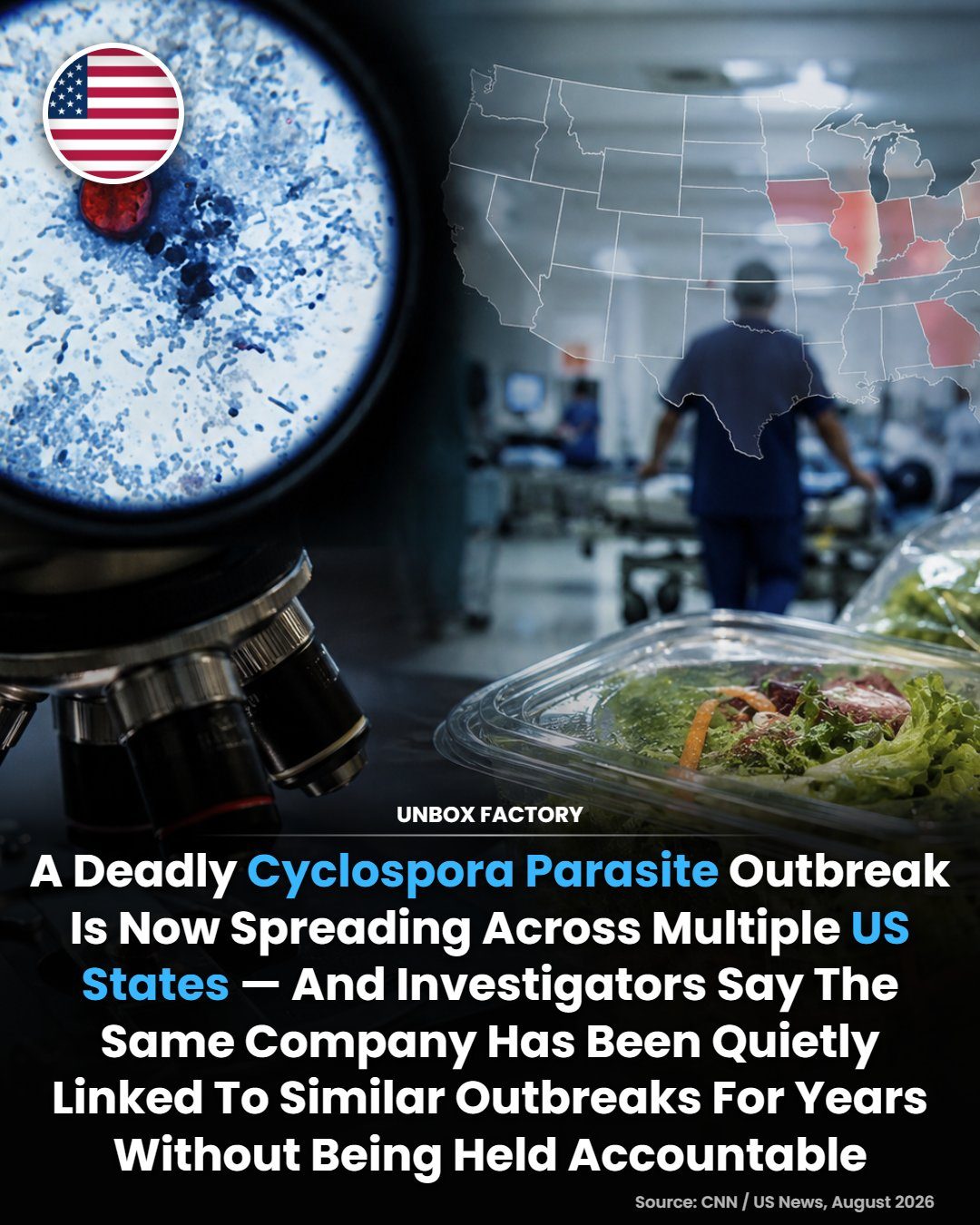
Cyclospora Parasite Outbreak
Cyclospora, a foodborne parasitic illness, has been making headlines recently due to a multi-state outbreak across the United States. This outbreak is causing significant health concerns, with symptoms including severe diarrhea, stomach cramps, dehydration, nausea, and fatigue. The outbreak has raised serious questions about food safety oversight and supply chain accountability, particularly as investigators have linked the current outbreak to a produce supplier with a history of similar incidents.
Why This Matters
Understanding the scope and impact of this outbreak is crucial for public health. Cyclospora infections can last for weeks or even months if left untreated, significantly affecting an individual's quality of life. Furthermore, the repeated involvement of the same produce supplier highlights potential gaps in the food supply chain's regulation and accountability mechanisms.
The Cyclospora Parasite and Its Impact
What is Cyclospora?
Cyclospora is a single-celled parasite that causes cyclosporiasis, a disease characterized by severe gastrointestinal symptoms. This parasite is typically found in fresh produce such as leafy greens, herbs, berries, and vegetables. The parasite's life cycle involves both asexual and sexual reproduction, making it challenging to eradicate once it enters the food supply.
Symptoms of Cyclospora Infection
Cyclospora infections can cause a range of symptoms, including:
- Severe diarrhea: One of the hallmark symptoms of cyclosporiasis, often leading to dehydration.
- Stomach cramps: Persistent abdominal pain and discomfort.
- Dehydration: Loss of fluids, which can be particularly dangerous for young children, the elderly, and individuals with compromised immune systems.
- Nausea and vomiting: Often accompanying the severe diarrhea.
- Fatigue: A general feeling of weakness and exhaustion.
These symptoms can last for weeks or even months, significantly impacting an individual's daily activities and overall health.
How the Outbreak is Spreading
The current outbreak is spreading across multiple states, with investigators pinpointing a produce supplier as the common link. This supplier has a history of being associated with previous Cyclospora outbreaks, raising concerns about the effectiveness of food safety measures and regulatory oversight.
The Role of Food Safety and Supply Chain Accountability
Current Regulatory Measures
Food safety regulations and oversight mechanisms are designed to prevent and mitigate outbreaks like the one we are currently witnessing. The Centers for Disease Control and Prevention (CDC) and the Food and Drug Administration (FDA) play crucial roles in monitoring and responding to foodborne illnesses. However, the recurring involvement of the same produce supplier underscores potential weaknesses in the current system.
The Need for Enhanced Accountability
The lack of accountability for past outbreaks has allowed the same supplier to continue operations without significant changes to their practices. This raises questions about the effectiveness of current regulatory measures and the need for stricter accountability mechanisms. Enhancing traceability in the food supply chain and implementing more stringent penalties for repeated offenses could help prevent future outbreaks.
Public Health Implications
The health implications of this outbreak are far-reaching. Individuals affected by Cyclospora infections may experience prolonged illness, leading to missed workdays, medical expenses, and reduced productivity. Moreover, the outbreak highlights the vulnerability of the food supply chain and the potential for widespread health impacts.
Practical Tips for Consumers
Food Safety Recommendations
Consumers can take several steps to protect themselves from Cyclospora infections:
- Wash Produce Thoroughly: Rinse fresh produce under running water, even if you plan to peel it. Use a produce brush to scrub firm produce like melons and cucumbers.
- Cook Food Properly: Cooking food to the recommended internal temperature can kill parasites and bacteria. Be cautious with raw or undercooked foods.
- Avoid High-Risk Foods: Be mindful of high-risk foods like raw leafy greens, herbs, and vegetables, especially during outbreaks.
- Store Food Properly: Refrigerate perishable produce promptly and avoid cross-contamination by using separate cutting boards and utensils for raw and cooked foods.
Staying Informed
Keeping up-to-date with the latest information from trusted sources like the CDC and FDA can help consumers make informed decisions about their food choices. Following public health advisories and news updates can provide valuable insights into the current status of the outbreak and any recommended precautions.
Important Takeaways
Recognizing Symptoms
Early recognition of Cyclospora symptoms can lead to quicker treatment and recovery. If you experience prolonged diarrhea, stomach cramps, dehydration, nausea, and fatigue, seek medical attention promptly.
Support for Public Health Efforts
Supporting public health efforts to regulate and monitor the food supply chain can help prevent future outbreaks. Advocating for stricter food safety measures and holding suppliers accountable for their practices are essential steps in safeguarding public health.
Conclusion
The ongoing Cyclospora parasite outbreak highlights the critical need for vigilant food safety practices and enhanced regulatory oversight. By understanding the symptoms, taking precautionary measures, and staying informed, consumers can protect themselves and their families from this harmful parasite. Additionally, advocating for stricter accountability and improved traceability in the food supply chain can help prevent future outbreaks and ensure a safer food system for all.
Watch the Reel
Questions readers ask
What are the common symptoms of a Cyclospora infection?
Cyclospora infections typically cause severe gastrointestinal symptoms. These can include watery diarrhea, stomach cramps, dehydration, nausea, and fatigue. Symptoms can persist for weeks or even months if not treated properly.
What types of food are most commonly associated with Cyclospora outbreaks?
Cyclospora outbreaks are often linked to contaminated fresh produce, such as fruits and vegetables. This includes items like lettuce, berries, and herbs. Proper washing and preparation of these foods are crucial to minimize risk.
How can I protect myself from Cyclospora infections?
To reduce the risk of Cyclospora infection, it's important to thoroughly wash all fresh produce before eating. Additionally, cook foods to safe temperatures and avoid consuming unpasteurized dairy products or foods that may have been contaminated with fecal matter.
What steps is the CDC taking to address the current Cyclospora outbreak?
The CDC, along with state and local health departments, is actively investigating the outbreak to identify the source of contamination and prevent further spread. This includes collecting and testing samples, interviewing patients, and working with food suppliers to ensure safety measures are implemented.
What should I do if I suspect I have a Cyclospora infection?
If you experience severe gastrointestinal symptoms and suspect a Cyclospora infection, it's important to seek medical attention promptly. A healthcare provider can order tests to confirm the diagnosis and prescribe appropriate treatment, typically a course of antibiotics.
Why do Cyclospora outbreaks keep happening?
Cyclospora outbreaks can recur due to gaps in food safety regulations and oversight. The repeated involvement of the same suppliers in outbreaks highlights the need for stricter enforcement of food safety standards and improved monitoring of the food supply chain.
How does the Cyclospora parasite spread?
The Cyclospora parasite spreads through the fecal-oral route, meaning it is passed through contaminated feces. This can occur when an infected person prepares food without proper hygiene or when produce is contaminated during cultivation, harvesting, or processing.
Recent articles
Fresh deep dives from the latest Reels we unpacked.




Comments
Be the first to comment.