Cycling and Heart Health
Cycling is more than just a mode of transportation or a recreational activity; it's a powerful tool for improving heart health. Understanding the connection between cycling and heart health can motivate you to hop on a bicycle and pedal your way to a healthier heart.
Why This Matters
Regular physical activity is essential for maintaining overall health, and cycling is an excellent form of exercise that can significantly benefit your cardiovascular system. The heart is a muscle, and like any other muscle, it becomes stronger with regular exercise. By incorporating cycling into your routine, you can enhance your heart's efficiency, reduce the risk of heart disease, and improve your overall cardiovascular fitness.
Main Discussion
The Science Behind Cycling and Heart Health
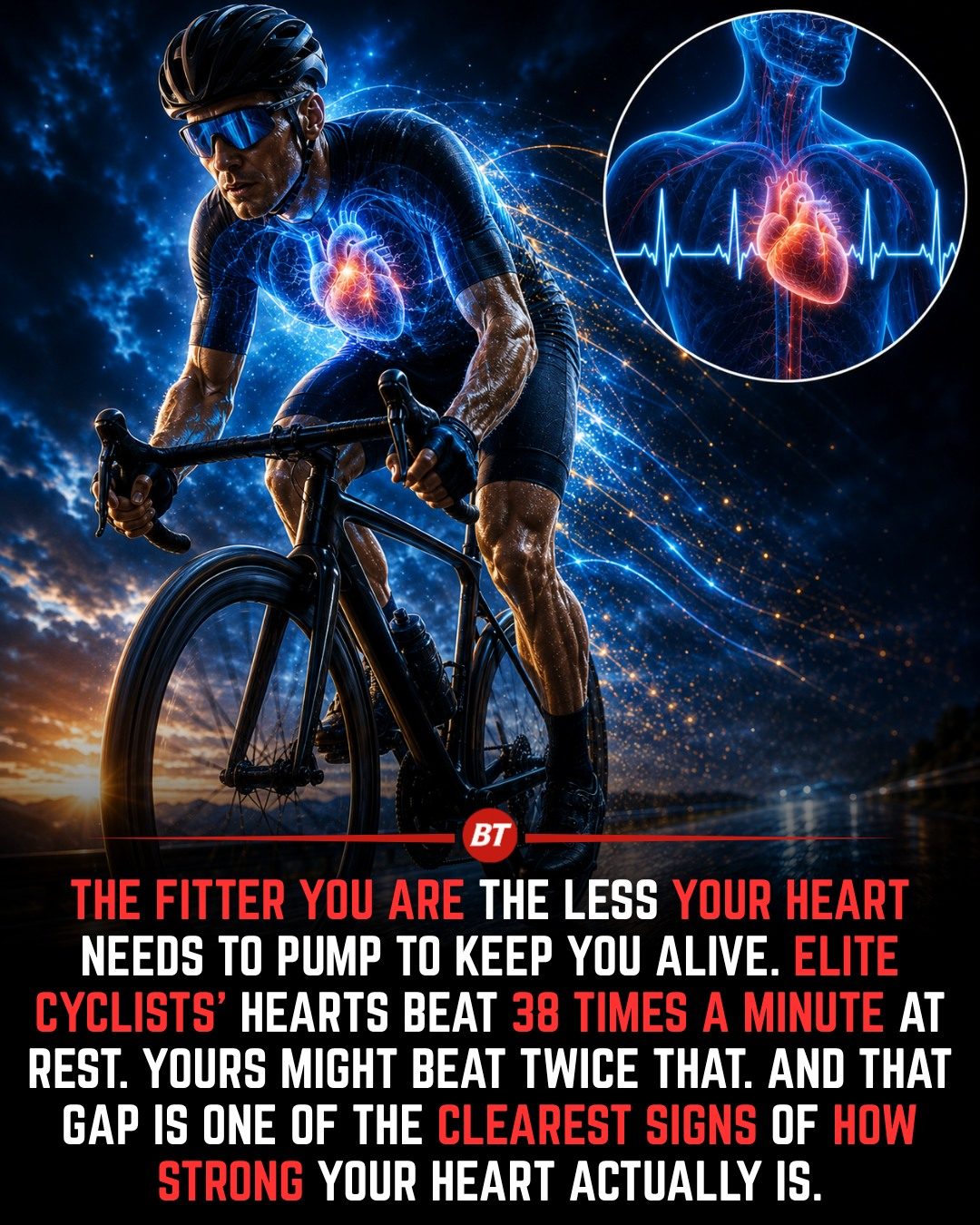
Fitter individuals, including elite cyclists, often have a lower resting heart rate. This isn't an indication of poor health but rather a sign of a strong and efficient heart. A lower resting heart rate means the heart doesn't have to work as hard to pump blood throughout the body. Regular cycling can strengthen the heart muscle, allowing it to pump more blood with each beat, thus reducing the number of beats per minute required to maintain the body's needs.
Understanding Resting Heart Rate
Resting heart rate is a crucial indicator of cardiovascular health. For a typical adult, a resting heart rate falls between 60 and 100 beats per minute. However, well-trained endurance athletes, including elite cyclists, often have resting heart rates between 40 and 60 beats per minute. Some elite cyclists and marathon runners even have resting heart rates in the high 30s. This lowered rate is not a sign of a weak heart but rather an indication of a highly efficient one.
The Role of Aerobic Exercise
Aerobic exercise, such as cycling, increases the amount of blood the heart pumps with each beat. Over time, regular aerobic exercise allows the heart to maintain the body's needs while beating fewer times each minute. This increase in efficiency is a direct result of the heart muscle becoming stronger and more capable of delivering oxygen-rich blood to the body's organs, tissues, and cells.
Benefits of Cycling for Heart Health
Cycling offers numerous benefits for heart health, including:
- Improved Cardiovascular Fitness: Regular cycling can enhance your cardiovascular fitness, making your heart more efficient at pumping blood.
- Reduced Risk of Heart Disease: Research has shown that higher cardiorespiratory fitness is strongly associated with a lower risk of heart disease and premature death.
- Lowered Resting Heart Rate: Consistent cycling can gradually lower your resting heart rate, indicating a stronger and more efficient heart.
- Enhanced Overall Health: Cycling not only benefits your heart but also improves overall health, including muscle strength, endurance, and mental well-being.
Practical Tips
Getting Started with Cycling
Starting a cycling routine is easy, and you don't need to be an elite athlete to reap the benefits. Here are some practical tips to help you get started:
- Choose the Right Bike: Select a bicycle that fits your body and suits your cycling needs, whether it's a road bike, mountain bike, or hybrid.
- Wear Protective Gear: Always wear a helmet and other protective gear to ensure your safety while riding.
- Start Slow: Begin with shorter rides and gradually increase your distance and intensity as your fitness improves.
- Incorporate Variety: Mix up your cycling routes and styles to keep your workouts interesting and challenging.
- Listen to Your Body: Pay attention to how your body feels during and after your rides. Rest when needed and stay hydrated.
Monitoring Your Heart Rate
Tracking your heart rate can help you understand your fitness progress and adjust your workouts accordingly. Here are some tips for monitoring your heart rate:
- Invest in a Heart Rate Monitor: Use a wearable device or smartwatch that can track your heart rate during and after your rides.
- Check Your Resting Heart Rate: Measure your resting heart rate first thing in the morning before getting out of bed. This will give you a baseline measurement.
- Track Changes Over Time: Monitor your resting heart rate regularly to see how it changes over time. A gradual decrease in resting heart rate indicates improved cardiovascular fitness.
Incorporating Cycling into Your Routine
To maximize the benefits of cycling for your heart health, make it a regular part of your routine. Aim for at least 150 minutes of moderate-intensity aerobic activity or 75 minutes of vigorous-intensity activity per week, as recommended by the American Heart Association. Cycling can be a fun and enjoyable way to meet these guidelines and improve your overall health.
Important Takeaways
- Cycling is an excellent form of aerobic exercise that can significantly benefit your heart health.
- Regular cycling can lower your resting heart rate, indicating a stronger and more efficient heart.
- Including cycling in your routine can reduce the risk of heart disease and improve overall cardiovascular fitness.
- Monitor your heart rate to track your progress and adjust your workouts as needed.
Conclusion
Cycling is a powerful tool for improving heart health. By understanding the connection between cycling and heart health, you can make informed decisions about incorporating this activity into your routine. Remember, a lower resting heart rate isn't something to chase overnight—it's something you earn through consistent movement. Every bike ride gradually teaches your heart to become more efficient, building a heart that can support you for decades to come. So, grab your bike, hit the road, and pedal your way to a healthier heart.
Watch the Reel
Questions readers ask
How does cycling improve heart efficiency?
Cycling improves heart efficiency by making the heart muscle stronger. Regular cycling allows the heart to pump more blood with each beat, reducing the number of beats per minute needed to circulate the same volume of blood. This leads to a lower resting heart rate and improved overall heart fitness.
What specific heart health benefits can I expect from regular cycling?
Regular cycling can lead to several heart health benefits, including a reduced risk of heart disease, improved cardiovascular fitness, and enhanced heart efficiency. Additionally, cycling can help lower resting heart rate, which is a strong indicator of overall heart health.
How often should I cycle to see improvements in my heart health?
To see improvements in heart health, aim for at least 150 minutes of moderate-intensity cycling or 75 minutes of vigorous-intensity cycling per week, spread out over several days. Consistency is key, so try to make cycling a regular part of your routine.
Can cycling help lower my resting heart rate?
Yes, cycling can help lower your resting heart rate. As your heart becomes stronger and more efficient through regular cycling, it requires fewer beats per minute to pump blood throughout your body, resulting in a lower resting heart rate.
Is cycling a good exercise for reducing the risk of heart disease?
Absolutely. Cycling is an excellent exercise for reducing the risk of heart disease. It helps to strengthen the heart, improve cardiovascular fitness, and maintain a healthy weight, all of which contribute to a lower risk of heart disease.
How does cycling compare to other exercises for improving heart fitness?
Cycling is one of the best exercises for improving heart fitness due to its low-impact nature and the ability to easily adjust intensity. It provides similar cardiovascular benefits to running or swimming, making it a great alternative for those looking to reduce joint strain while still gaining significant heart health benefits.
What are the benefits of a consistent cycling routine for heart health?
A consistent cycling routine can lead to numerous heart health benefits, including improved heart efficiency, reduced risk of heart disease, and enhanced overall cardiovascular fitness. Regular cycling can also help lower resting heart rate and improve circulation, contributing to a healthier heart.
Related deep dives
Similar reads based on topic and creator.




Recent articles
Fresh deep dives from the latest Reels we unpacked.




Comments
Be the first to comment.