Menstrual Cycle Nutrition
Understanding how to nourish your body during the different phases of your menstrual cycle can significantly impact your overall well-being. Each phase has unique nutritional needs that, when met, can support energy levels, recovery, mood, and hormone balance. Nutrition apps provide a convenient way to track and personalize dietary goals during these phases.
Context / Why This Matters
The menstrual cycle is divided into four main phases: the menstrual phase, the follicular phase, the ovulation phase, and the luteal phase. Each phase brings distinct physiological changes that influence nutritional requirements. By aligning your diet with these phases, you can optimize your body's performance and overall health.
Main Discussion
The Menstrual Phase
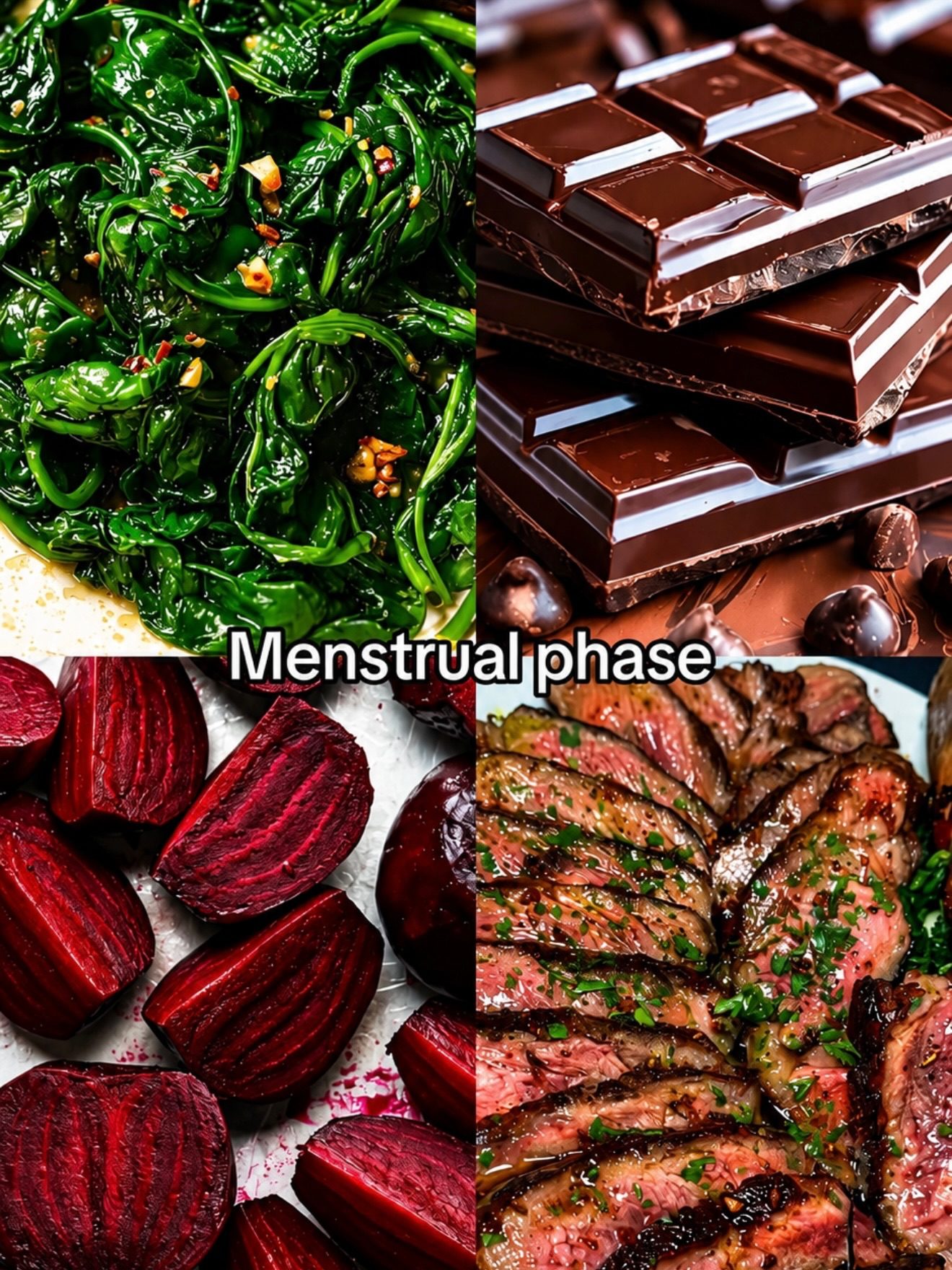
During the menstrual phase, your body is shedding the uterine lining, which can lead to increased iron and magnesium needs. This phase often comes with fatigue, cramps, and mood fluctuations. To support your body during this time, focus on foods rich in iron and magnesium, such as:
- Steak or lean red meat: Provides essential iron to replenish blood loss.
- Spinach and beets: Rich in iron and magnesium, promoting recovery and energy.
- Dark chocolate: Contains magnesium and antioxidants to combat cramps and boost mood.
These nutrient-dense foods can help alleviate symptoms and provide the necessary nutrients to support recovery and energy during your period.
The Follicular Phase
The follicular phase typically starts on the first day of your period and lasts until ovulation. During this phase, your body prepares for potential fertilization, and you may experience a surge in energy and motivation. To support this phase, include foods that provide fresh energy, protein, and fiber:
- Eggs: A great source of protein to support your body's growth and repair.
- Oats with fruit: Offers a balanced mix of carbohydrates, fiber, and natural sugars for sustained energy.
- Avocado: Provides healthy fats and fiber to support overall health and energy levels.
- Carrot salads: Rich in vitamins and fiber, aiding digestion and energy production.
The Ovulation Phase
The ovulation phase is when your body releases an egg, and you may experience heightened energy and a boost in libido. To support your body during this phase, prioritize foods rich in antioxidants, omega-3s, and balanced meals:
- Salmon: Rich in omega-3s, which can help reduce inflammation and support heart health.
- Pumpkin seeds: Contain zinc and magnesium, important for hormone regulation and overall health.
- Oranges and citrus fruits: High in vitamin C and antioxidants, boosting immunity and supporting the immune system.
- Quinoa bowls with veggies: Offer a balanced mix of protein, fiber, and essential vitamins.
The Luteal Phase
The luteal phase follows ovulation and lasts until the start of your next menstrual phase. During this phase, you may experience cravings, mood swings, and bloating. To maintain stable blood sugar levels and promote satiety, focus on:
- Sweet potatoes: Rich in vitamins and fiber, supporting stable blood sugar levels and providing sustained energy.
- Bananas: Offer potassium and carbohydrates, aiding in muscle function and energy regulation.
- Chicken with veggies: A balanced source of protein and fiber, helping you stay fuller for longer.
- Herbal teas: Can help soothe the digestive system and reduce bloating.
Practical Tips
Using a Nutrition App
A nutrition app like Sustainable Goal can be a valuable tool for tracking your dietary needs and progress during each phase of your menstrual cycle. Here are some tips for using a nutrition app effectively:
- Calculate daily macro targets: Use the app to calculate your daily macro targets based on your specific needs and goals. This can help ensure you are consuming the right balance of macronutrients to support your body during each phase.
- Set personal nutritional goals: Define your personal nutritional goals, whether it's weight loss, muscle gain, or overall wellness. The app can help you create a personalized plan to achieve these goals.
- Track progress: Keep track of your daily calorie and macro intake to see how well you are meeting your goals. Adjust your plan as needed based on how your body responds.
- Stay consistent: Consistency is key when it comes to nutrition. Make a habit of tracking your meals and staying on top of your goals.
Important Takeaways
- Nutritional needs shift throughout the menstrual cycle, and it's important to adapt your diet accordingly.
- Each phase of the menstrual cycle has unique nutritional requirements that can impact energy levels, recovery, mood, and hormone balance.
- A nutrition app like Sustainable Goal can be a valuable tool for tracking your dietary needs and progress.
- Focusing on nutrient-dense foods that support your body's specific needs during each phase can make a significant difference in your overall well-being.
Conclusion
Cycle syncing your nutrition with your menstrual cycle can help you feel more in tune with your body and support your overall health and well-being. By focusing on nutrient-dense foods and using tools like the Sustainable Goal app, you can optimize your diet to better align with your body's needs during each phase of your menstrual cycle. Making simple adjustments to your diet can lead to significant improvements in energy, mood, and recovery, helping you live a healthier, more balanced life.
Watch the Reel
Questions readers ask
What is cycle-syncing and why is it beneficial?
Cycle-syncing is a practice that involves adjusting your diet to cater to the nutritional demands of each phase of your menstrual cycle. This approach can help optimize energy levels, enhance recovery, stabilize mood swings, and maintain hormone balance, ultimately promoting better overall health and well-being.
How can I manage menstrual cravings during the menstrual phase?
During the menstrual phase, it's common to experience cravings. To manage these, focus on consuming iron-rich foods like red meat, poultry, fish, and leafy greens to replenish the iron lost during menstruation. Additionally, include complex carbohydrates and healthy fats to stabilize blood sugar levels and reduce cravings.
What should I eat during the follicular phase to boost energy?
During the follicular phase, your body is preparing for ovulation, and energy levels may fluctuate. To boost energy, incorporate foods rich in antioxidants, such as berries and colorful fruits and vegetables, and consume lean proteins like chicken, turkey, and tofu. These foods support overall health and energy levels.
Which foods are best for the ovulation phase to support hormone balance?
The ovulation phase is crucial for hormone balance. Consuming foods rich in phytoestrogens, such as soy products, flaxseeds, and legumes, can support healthy hormone levels. Additionally, include foods high in B vitamins, like whole grains and leafy greens, to support energy production and overall health.
How can I use a cycle-syncing app to personalize my diet?
Cycle-syncing apps can help you track your menstrual cycle and provide personalized dietary recommendations based on each phase. These apps can suggest specific foods, recipes, and meal plans tailored to your unique needs during the menstrual, follicular, ovulation, and luteal phases, making it easier to align your diet with your cycle.
What are some key luteal phase foods for reducing symptoms?
During the luteal phase, hormonal fluctuations can lead to symptoms like bloating, mood swings, and fatigue. To mitigate these, focus on consuming foods high in magnesium, such as dark chocolate, nuts, and seeds, which can help reduce bloating and cramps. Additionally, include foods rich in omega-3 fatty acids, like fatty fish and chia seeds, to support overall health.
Can cycle-syncing help with recovery during the menstrual phase?
Yes, cycle-syncing can support recovery during the menstrual phase by focusing on nutrient-dense foods that replenish the body. Incorporating foods rich in iron, such as spinach, lentils, and beef, can help restore the iron lost during menstruation. Additionally, consuming foods high in zinc, like oysters and pumpkin seeds, can support immune function and overall recovery.
Recent articles
Fresh deep dives from the latest Reels we unpacked.




Comments
Be the first to comment.