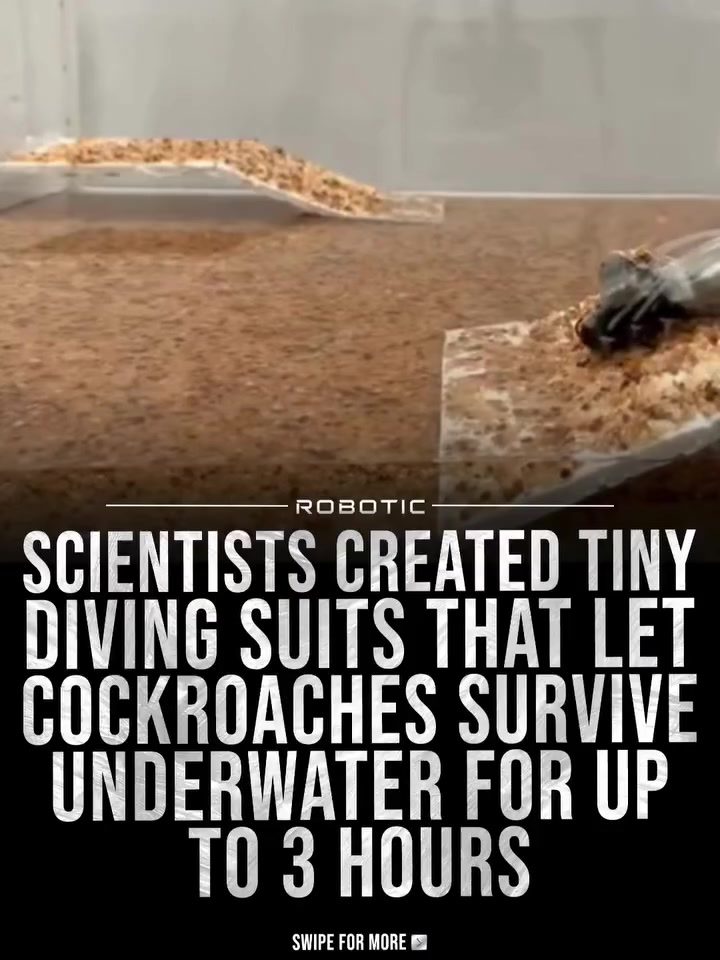
Tiny Diving Suits for Cockroaches: The Future of Disaster Relief
Madagascar hissing cockroaches equipped with 3D-printed diving suits can now breathe underwater for up to three hours. This groundbreaking technology, developed by scientists at NTU (Nanyang Technological University) and Waseda University, is part of an ongoing effort to create remote-controlled cyborg roaches for disaster relief. These tiny suits use a chemical oxygen generator to deliver breathable air directly into the cockroach’s spiracles, allowing them to navigate underwater environments.
Why This Matters
The ability to deploy insect cyborgs in disaster zones could revolutionize search and rescue operations. Flooding, earthquakes, and other natural disasters often leave behind dangerous, confined environments that are difficult for conventional robots and drones to navigate. These bio-hybrid cockroaches can enter flooded rubble, narrow voids, and drainage pipes, making them an invaluable tool for rescue teams.
The development of these diving suits highlights how bio-hybrid technologies can push the boundaries of what’s possible in robotics. By combining biological organisms with advanced engineering, researchers have created a new class of robots that can access areas previously considered off-limits.
The Technology Behind the Suits
3D-Printed Design
The diving suits are custom-made for Madagascar hissing cockroaches using 3D printing technology. The precise design allows the suits to fit snugly on the cockroaches, ensuring that the oxygen delivery system works effectively.
Chemical Oxygen Generator
A chemical oxygen generator is integrated into the suit to deliver breathable air directly to the cockroach’s spiracles, which are the openings through which cockroaches respire. This allows the cockroach to breathe underwater for extended periods, making it possible to navigate through submerged environments.
Remote-Controlled Navigation
One of the most impressive aspects of these cyborg cockroaches is their ability to be remotely controlled. This feature is crucial for disaster relief operations, as it allows rescue teams to guide the cockroaches to specific locations and collect vital information.
Potential Applications
Disaster Relief
The primary application of these diving suits is in disaster relief. By equipping cockroaches with diving suits, rescue teams can gain access to areas that are otherwise inaccessible. This includes flooded buildings, narrow voids, and drainage pipes. The ability to navigate underwater environments makes these cyborg cockroaches an invaluable asset in the aftermath of natural disasters.
Exploration and Research
Beyond disaster relief, these diving suits could also be used for exploration and research in underwater environments. Scientists could equip cockroaches with additional sensors and cameras to explore areas that are difficult for humans or traditional robots to access.
Environmental Monitoring
These diving suits could also be employed for environmental monitoring. By equipping cockroaches with sensors, researchers could gather data on water quality, temperature, and other environmental factors in hard-to-reach underwater locations.
Practical Tips
For Researchers
If you're a researcher interested in developing similar bio-hybrid technologies, consider the following tips:
- Collaborate with Biologists: Work closely with biologists to understand the physiological needs of the organisms you’re using. This will help you design more effective suits and systems.
- Experimentation: Don’t be afraid to experiment with different materials and designs. The process of creating a functional diving suit for a cockroach involves a lot of trial and error.
- Safety First: When working with live organisms, always prioritize their safety. Ensure that the suits and systems you develop do not cause harm to the animals.
For Engineers
For engineers looking to develop similar technologies, keep these points in mind:
- Precision Engineering: The success of these diving suits relies on precise engineering. Invest in high-quality 3D printing and prototyping tools to create the most effective designs.
- Chemical Design: Pay close attention to the chemical design of the oxygen generator. The efficiency of the system will determine how long the cockroach can stay underwater.
- Remote Control Systems: Develop robust remote control systems that allow for precise navigation and control of the cockroach.
Important Takeaways
Real-World Applications
The diving suits developed by scientists at NTU and Waseda University have real-world applications that could save lives. By allowing cockroaches to navigate underwater environments, these suits open up new possibilities for search and rescue operations in complex disasters.
Future Innovations
This technology represents just the beginning of what’s possible in the field of bio-hybrid robotics. As researchers continue to refine these diving suits and explore new applications, we can expect to see even more innovative solutions for disaster relief, exploration, and environmental monitoring.
Ethical Considerations
While the potential benefits of these diving suits are clear, it’s also important to consider the ethical implications. Researchers must ensure that the animals being used are treated humanely and that their well-being is prioritized throughout the development and deployment of these technologies.
Conclusion
The development of 3D-printed diving suits for Madagascar hissing cockroaches is a groundbreaking achievement in the field of bio-hybrid robotics. By allowing these insects to breathe underwater, these suits open up new possibilities for disaster relief, exploration, and environmental monitoring. As researchers continue to refine and expand upon this technology, we can expect to see even more innovative solutions that push the boundaries of what’s possible.
Watch the Reel
Questions readers ask
How do the 3D-printed diving suits enable cockroaches to breathe underwater?
The tiny diving suits employed by NTU and Waseda University feature a chemical oxygen generator. This device supplies breathable air to the cockroach's spiracles, enabling the insect to breathe underwater for extended periods, up to three hours.
What makes cyborg cockroaches useful in disaster rescue missions?
Cyborg cockroaches can access areas that are hazardous or inaccessible to humans, conventional robots, and drones. Their small size and ability to navigate confined, flooded spaces make them ideal for search and rescue missions in disaster zones.
Which specific type of cockroach is used in these biohybrid technologies?
The Madagascar hissing cockroach is the species chosen for this biohybrid technology. This species is known for its robust nature and ability to withstand harsh environments, making it suitable for disaster rescue operations.
How do these cyborg cockroaches enhance underground rescue robotics?
The NTU and Waseda University cyborg cockroaches are equipped with remote-control capabilities, allowing them to navigate underground and underwater environments that conventional underground rescue robots cannot reach. This technology allows for more comprehensive search and rescue efforts.
What role does 3D printing play in the development of these tiny robotic suits?
3D printing is crucial for creating the small, precise, and functional diving suits that enable the cockroaches to breathe underwater. This technology allows for the production of customized, lightweight suits tailored to the specific needs of the insect cyborgs.
What are the benefits of using biohybrid technologies in disaster relief?
Biohybrid technologies, such as diving cockroaches, can reach and explore areas that other disaster rescue technologies cannot. These tiny robotic suits offer a unique solution for navigating flooded and confined spaces, enhancing the effectiveness of search and rescue missions.
Related deep dives
Similar reads based on topic and creator.

Recent articles
Fresh deep dives from the latest Reels we unpacked.




Comments
Be the first to comment.