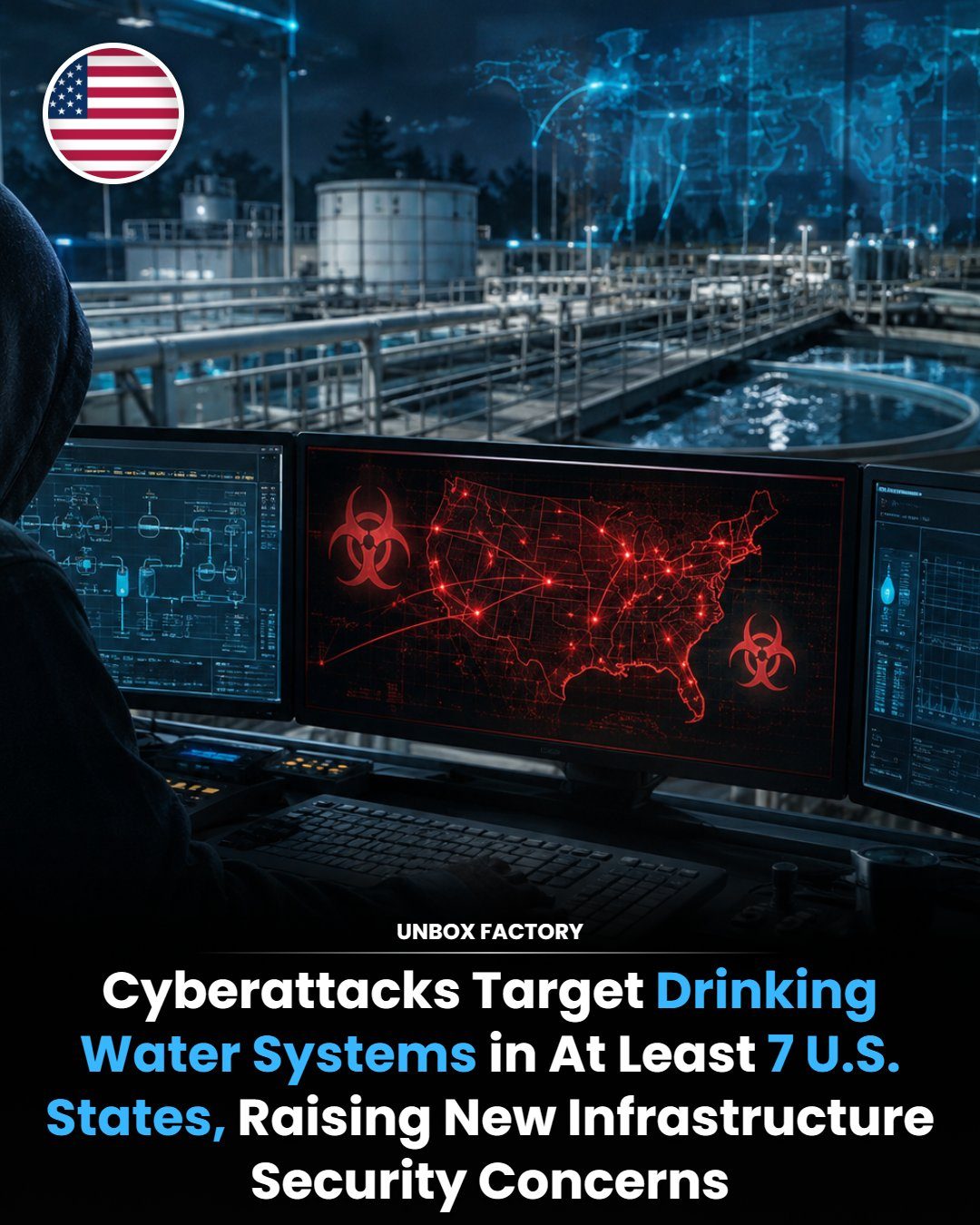
Cyberattacks on Drinking Water Systems: A Growing National Security Threat
In recent developments, the United States has faced a concerning rise in cyberattacks on drinking water systems. These incidents have targeted the operational systems responsible for delivering safe drinking water, affecting at least seven states across the country. This growing threat underscores the critical need for enhanced cybersecurity measures in the nation's infrastructure.
Why This Matters
Critical infrastructure, such as drinking water systems, is essential for public health and safety. With over 150,000 public water systems in the United States, the security of these systems is paramount. Modernization efforts, which involve integrating digital control systems, have brought significant improvements in efficiency and management. However, these advancements also introduce new vulnerabilities. Cyberattacks targeting these systems pose a direct threat to public safety and national security.
The Scope of the Threat
Targeted States
Cyberattacks on drinking water systems have been reported in at least seven U.S. states. The exact states have not been disclosed for security reasons, but the widespread nature of these incidents underscores the urgency of the situation. These attacks highlight the vulnerabilities in our infrastructure, particularly those systems that rely on digital control mechanisms.
Operational Systems
The primary targets of these cyberattacks are the operational systems responsible for managing and supplying safe drinking water. These systems control various aspects of water treatment, distribution, and monitoring. Compromising these systems can lead to contamination, supply disruptions, and other severe consequences.
Federal Response and Recommendations
Federal Agencies' Role
Federal agencies are at the forefront of addressing this growing threat. They continue to urge utilities to strengthen their network defenses, monitoring systems, and emergency response capabilities. These efforts are crucial in mitigating the risks posed by cyberattacks and ensuring the continued safe operation of drinking water systems.
Strengthening Network Defenses
Network defenses are the first line of defense against cyberattacks. Enhancing these defenses involves implementing robust cybersecurity protocols, regular system updates, and advanced threat detection technologies. Utilities are encouraged to adopt best practices in network security, including firewalls, intrusion detection systems, and secure access controls.
Monitoring Systems
Effective monitoring is essential for detecting and responding to cyber threats in real time. Utilities should invest in advanced monitoring systems that can identify unusual activities and potential breaches. These systems should be continuously updated to keep pace with evolving cyber threats.
Emergency Response Capabilities
In the event of a cyberattack, a swift and effective response is crucial. Utilities should have comprehensive emergency response plans in place, including protocols for isolating affected systems, restoring services, and communicating with the public. Regular drills and simulations can help ensure that response teams are well-prepared to handle real-world incidents.
Practical Tips for Utilities
Conduct Regular Audits
Conducting regular cybersecurity audits can help identify and address vulnerabilities in operational systems. These audits should be performed by certified professionals who can provide an objective assessment of the system's security posture.
Implement Multi-Factor Authentication
Multi-factor authentication (MFA) adds an extra layer of security by requiring multiple forms of verification before granting access to critical systems. This can significantly reduce the risk of unauthorized access.
Invest in Cybersecurity Training
Cybersecurity training for employees is essential for maintaining a strong defense against cyberattacks. Training programs should cover topics such as recognizing phishing attempts, securing sensitive information, and following best practices in cybersecurity.
Collaborate with Cybersecurity Experts
Collaboration with cybersecurity experts can provide utilities with the expertise and resources needed to defend against cyber threats. Engaging with industry associations, government agencies, and private sector experts can offer valuable insights and support.
Important Takeaways
Heightened Vigilance
The increasing frequency of cyberattacks on drinking water systems requires heightened vigilance from utilities and federal agencies. Continuous monitoring, regular audits, and proactive measures are essential for maintaining the security of these critical systems.
Enhanced Collaboration
Collaboration between utilities, federal agencies, and cybersecurity experts is crucial for developing effective strategies to combat cyber threats. Sharing information, best practices, and resources can help build a stronger defense against these evolving threats.
Public Awareness
Public awareness of the risks and the steps being taken to address them can help build trust and understanding. Utilities should communicate openly about their cybersecurity measures and the importance of public cooperation in maintaining water safety.
Conclusion
The recent cyberattacks on drinking water systems in the United States highlight the urgent need for enhanced cybersecurity measures. As utilities continue to modernize with digital control systems, the risks posed by cyber threats are becoming increasingly significant. Federal agencies, utilities, and the public must work together to strengthen network defenses, monitoring systems, and emergency response capabilities. By taking proactive measures and fostering collaboration, we can ensure the continued safe operation of our critical infrastructure and protect public health and safety.
Watch the Reel
Questions readers ask
What makes drinking water systems attractive targets for cyberattacks?
Drinking water systems are appealing targets due to their critical role in public health and the potential for significant disruption. Attacks on these systems can cause widespread harm, making them a high-impact target for malicious actors. Additionally, the integration of digital control systems in modern water utilities increases vulnerability to cyber threats.
How many public water systems are there in the United States, and why is their security crucial?
There are over 150,000 public water systems in the United States. The security of these systems is crucial because they directly impact the health and safety of communities across the nation. A successful cyberattack on a water system could lead to contamination, service disruption, or other public health crises.
What specific measures can be taken to enhance the cybersecurity of water utilities?
To bolster cybersecurity, water utilities should implement strong access controls, regularly update and patch systems, use encryption for data protection, and conduct routine security audits. Collaboration with cybersecurity experts and adherence to industry best practices can further safeguard operational systems and protect against cyber threats.
Which states have been affected by recent cyberattacks on drinking water systems?
Recent reports indicate that at least seven states in the United States have experienced cyberattacks on their drinking water systems. However, specific states are not always publicly disclosed to avoid public panic and to allow for discreet investigation and response.
How do digital control systems impact the vulnerability of water utilities to cyberattacks?
While digital control systems enhance the efficiency and management of water utilities, they also introduce new vulnerabilities. These systems rely on network connectivity, making them susceptible to remote cyberattacks. To mitigate these risks, utilities must prioritize robust cybersecurity protocols and continuous monitoring.
What are the potential consequences of a successful cyberattack on a drinking water system?
A successful cyberattack on a drinking water system can have severe consequences, including contamination of water supplies, disruption of water services, and potential health risks to the public. Such attacks can also result in significant economic losses and damage to public infrastructure.
How can the public help in protecting water infrastructure from cyber threats?
While cybersecurity is primarily the responsibility of utility operators, the public can help by staying informed about potential threats and reporting any suspicious activities. Community vigilance and awareness can act as an additional layer of defense against cyberattacks on critical infrastructure like drinking water systems.
Related deep dives
Similar reads based on topic and creator.

Recent articles
Fresh deep dives from the latest Reels we unpacked.




Comments
Be the first to comment.