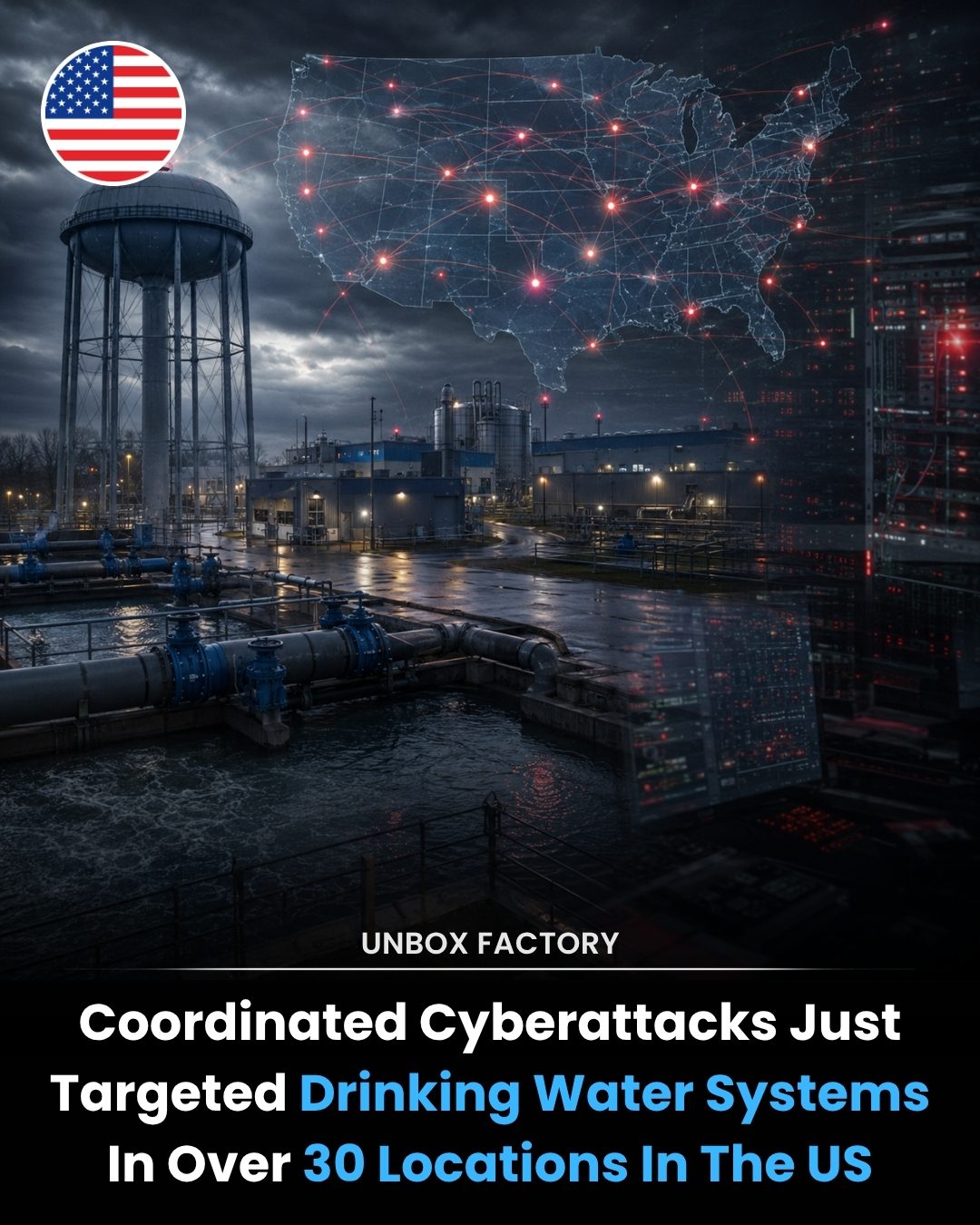
Cyberattacks on Drinking Water Systems Across the US
Over 30 locations in the United States have come under coordinated cyberattacks targeting drinking water infrastructure. This unprecedented wave of cyber threats has raised serious concerns about the vulnerability of critical infrastructure, particularly water systems, to sophisticated cyberattacks.
Cybersecurity officials are actively investigating these incidents, which have highlighted the increasing sophistication of cyber threats targeting industrial control systems. These systems are integral to the operation of water utilities, making them attractive targets for cybercriminals and state-backed hacking groups.
Why This Matters
The U.S. Environmental Protection Agency (EPA) estimates that there are over 148,000 public water systems serving more than 330 million Americans. This makes water utilities one of the nation's most critical infrastructure sectors. The recent cyberattacks underscore the urgent need for enhanced cybersecurity measures to protect these vital resources.
The Scope of the Threat
The coordinated nature of these attacks is particularly alarming. Over 30 locations across the United States have been affected, indicating a well-organized and potentially state-sponsored operation. The attacks pose a significant threat to public health and safety, as disruption of water systems can have cascading effects on other critical infrastructure sectors.
The Role of Industrial Control Systems
Many water facilities rely on industrial control systems (ICS) to manage and monitor their operations. These systems are increasingly becoming targets for cybercriminals due to their critical role in maintaining public services. ICS are often outdated and lack robust cybersecurity measures, making them vulnerable to attacks.
Main Discussion
Understanding the Attacks
The recent cyberattacks on drinking water systems are part of a broader trend of increasing cyber threats to critical infrastructure. These attacks are not isolated incidents but rather part of a coordinated effort to disrupt essential public services. The attacks highlight the growing sophistication of cyber threats and the need for enhanced cybersecurity measures.
The Vulnerability of Water Systems
Water systems are particularly vulnerable to cyberattacks due to their reliance on ICS. These systems are often outdated and lack the necessary cybersecurity measures to protect against sophisticated cyber threats. The recent attacks have exposed the vulnerabilities in these systems, highlighting the need for improved cybersecurity protocols.
The Impact on Public Health
The disruption of water systems can have severe implications for public health. Access to clean drinking water is essential for public health and safety, and any disruption can have cascading effects on other critical infrastructure sectors. The recent attacks have raised concerns about the potential impact on public health and the need for enhanced cybersecurity measures.
The Role of Cybersecurity Officials
Cybersecurity officials play a crucial role in investigating and mitigating the impact of these attacks. They are responsible for identifying the source of the attacks, assessing the damage, and implementing measures to prevent future incidents. The recent attacks have highlighted the importance of their role in protecting critical infrastructure.
The Need for Enhanced Cybersecurity Measures
The recent attacks have underscored the need for enhanced cybersecurity measures to protect critical infrastructure. This includes updating outdated ICS, implementing robust cybersecurity protocols, and increasing collaboration between cybersecurity officials and water utilities. Enhancing cybersecurity measures is essential to prevent future attacks and ensure the safety and security of public water systems.
Practical Tips
For Water Utilities
- Update Industrial Control Systems: Ensure that all ICS are up-to-date and equipped with the latest cybersecurity measures.
- Implement Robust Cybersecurity Protocols: Develop and implement robust cybersecurity protocols to protect against cyber threats.
- Regular Audits and Assessments: Conduct regular audits and assessments of cybersecurity measures to identify and address vulnerabilities.
- Collaborate with Cybersecurity Officials: Work closely with cybersecurity officials to share information and collaborate on measures to prevent future attacks.
- Train Staff: Provide regular training to staff on cybersecurity best practices and the importance of protecting critical infrastructure.
For the Public
- Stay Informed: Stay informed about potential cyber threats and their impact on critical infrastructure.
- Report Suspicious Activity: Report any suspicious activity related to water systems to the appropriate authorities.
- Follow Water Safety Guidelines: Follow all water safety guidelines and protocols to ensure the safety and security of drinking water.
- Support Infrastructure Upgrades: Support initiatives to upgrade critical infrastructure and enhance cybersecurity measures.
- Engage with Local Authorities: Engage with local authorities and water utilities to stay informed about any potential threats and their impact on public health.
Important Takeaways
The recent cyberattacks on drinking water systems across the United States highlight the growing vulnerability of critical infrastructure to sophisticated cyber threats. These attacks underscore the need for enhanced cybersecurity measures to protect public water systems and ensure the safety and security of drinking water.
Conclusion
The coordinated cyberattacks on drinking water systems serve as a wake-up call for the urgent need to enhance cybersecurity measures. Protecting critical infrastructure, particularly water systems, is essential for public health and safety. By updating industrial control systems, implementing robust cybersecurity protocols, and increasing collaboration between cybersecurity officials and water utilities, we can mitigate the risk of future attacks and ensure the safety and security of public water systems.
Watch the Reel
Questions readers ask
What makes drinking water infrastructure an attractive target for cyberattacks?
Public water systems are enticing targets because they are essential for daily life and serve large populations. A successful attack can cause significant disruption and potentially endanger public health, making them appealing to both cybercriminals and state-backed hacking groups.
What are industrial control systems, and why are they at risk?
Industrial control systems manage and automate processes in industrial environments, like water treatment facilities. They are at risk because they are often interconnected with other systems and may lack robust cybersecurity measures, making them vulnerable to sophisticated cyber threats.
What steps are being taken to address these cyberattacks?
Cybersecurity officials are actively investigating the incidents to understand the nature of the threats and improve defenses. Additionally, agencies like the EPA are likely involved in assessing the overall security of public water systems and providing guidance on enhancing their cybersecurity measures.
How many public water systems are potentially at risk in the US?
The U.S. Environmental Protection Agency estimates that there are over 148,000 public water systems across the nation, all of which could potentially be targeted by cyber threats, given the increasing sophistication of these attacks.
What can be done to improve the cybersecurity of water infrastructure?
Implementing robust cybersecurity measures, regularly updating and patching systems, and enhancing monitoring and detection capabilities are key steps. Additionally, fostering better communication between cybersecurity experts and water utility operators can help in developing more effective defense strategies.
What is the significance of coordinated cyberattacks on water infrastructure?
Coordinated attacks indicate a higher level of organization and potential backing from sophisticated threat actors, which increases the risk of successful breaches. Such attacks can cause widespread disruption and may target multiple locations simultaneously, making them particularly dangerous.
Recent articles
Fresh deep dives from the latest Reels we unpacked.




Comments
Be the first to comment.