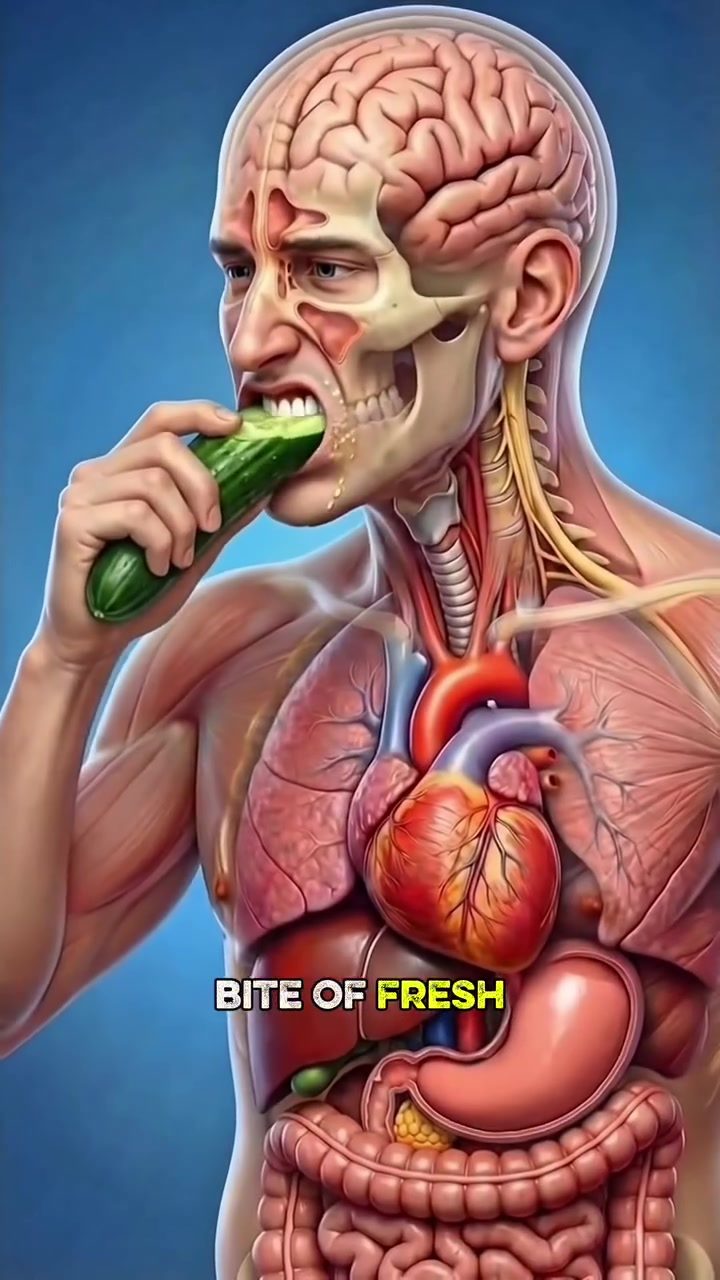
Human Anatomy Visualization
When you take a bite of a fresh cucumber, you might not realize the complex journey it takes through your body. This journey begins in the mouth, moves to the stomach, and then to the small intestine, where nutrients are absorbed and distributed throughout the body. This intricate process supports various physiological functions, from joint health to brain function.
Why This Matters
Understanding how the body processes food and distributes nutrients is crucial for maintaining overall health. The digestive system plays a pivotal role in breaking down food, absorbing essential nutrients, and distributing them to different parts of the body. This process is essential for maintaining the health of various organs and systems, including the joints, heart, and brain.
Digestion and Nutrient Absorption
The Digestive Journey
The digestive process starts in the stomach, where digestive juices begin to break down the cucumber. This mixture then moves into the small intestine, where intestinal bile helps absorb nutrients. These nutrients are then passed into the bloodstream, where they begin their journey to support various bodily functions.
Nutrient Distribution
From the small intestine, nutrients enter the bloodstream and are distributed to different parts of the body. This includes the joints, where hydration and nutrients support joint function. Cucumber's hydration properties help reduce puffiness and the appearance of dark circles under the eyes.
The Role of the Heart and Circulatory System
Blood Pressure and Heart Health
As the nutrients reach the heart, they help maintain normal blood pressure. Potassium, a key nutrient found in cucumbers, is essential for supporting blood pressure balance. The heart then pumps the blood, rich in nutrients and hydration, through the body.
The Heart-Brain Connection
From the heart, the blood flows to the brain, where hydration helps maintain balance and supports focus. Hydration is crucial for maintaining the brain's function and overall cognitive health. The nutrients continue to circulate through the entire body, supporting various functions and maintaining overall health.
Practical Tips
Eat Nutrient-Rich Foods
Incorporating nutrient-rich foods like cucumbers into your diet can support your body's natural processes. These foods provide essential nutrients and hydration, which are crucial for maintaining overall health.
Stay Hydrated
Hydration is essential for maintaining the body's functions. Drink plenty of water and consume foods that have high water content, such as cucumbers, to support hydration and overall health.
Monitor Blood Pressure
Regularly monitoring your blood pressure is crucial for maintaining heart health. Foods rich in potassium, like cucumbers, can help support normal blood pressure levels.
Important Takeaways
Nutrition and Hydration
Nutrition and hydration are crucial for maintaining the body's natural processes. Foods like cucumbers provide essential nutrients and hydration, which support various bodily functions.
The Digestive System's Role
The digestive system plays a pivotal role in breaking down food and absorbing essential nutrients. The nutrients are then distributed to different parts of the body, supporting overall health.
The Heart and Brain Connection
The heart and brain are connected through the circulatory system. The nutrients and hydration distributed through the body support both heart and brain function.
Conclusion
A detailed visualization of the human body reveals the intricate journey of nutrients from the digestive system to various organs and tissues. This journey highlights the importance of consuming nutrient-rich foods and staying hydrated for maintaining overall health. By understanding how the body processes food and distributes nutrients, we can make informed decisions to support our health and wellbeing.
Watch the Reel
Questions readers ask
What are the primary nutrients in cucumbers that support overall health?
Cucumbers are rich in vitamins K and C, potassium, and antioxidants. These nutrients contribute to various aspects of health, from supporting bone strength to boosting the immune system and promoting healthy blood pressure levels.
How does eating cucumbers benefit joint health?
Cucumbers are high in water and contain anti-inflammatory compounds like silica and caffeic acid. These properties help lubricate joints and reduce inflammation, making cucumbers a beneficial addition to a diet aimed at improving joint health.
What role do cucumbers play in maintaining heart health?
Cucumbers are low in calories and high in potassium, which helps regulate blood pressure. Additionally, their hydration properties and antioxidants can help reduce the risk of heart disease by promoting cardiovascular health.
How do cucumbers aid in brain support and function?
The antioxidants and polyphenols in cucumbers can help improve brain health by reducing oxidative stress and inflammation. Additionally, the hydration from cucumbers can help maintain optimal brain function, which is crucial for cognitive clarity.
Why are cucumbers beneficial for digestion?
Cucumbers are high in water and fiber, which helps soften stool and promote regular bowel movements. Additionally, their alkalizing effects can help balance stomach acidity, aiding in overall digestive health.
Can eating cucumbers help regulate blood pressure?
Yes, cucumbers are high in potassium and low in sodium, making them an excellent food for maintaining healthy blood pressure levels. Potassium helps counterbalance the effects of sodium, promoting better blood pressure regulation.
How do cucumbers contribute to overall health?
By providing essential nutrients, promoting hydration, and supporting various bodily functions, cucumbers play a significant role in maintaining overall health. They aid in digestion, support joint and heart health, and contribute to brain function, making them a valuable addition to a balanced diet.
Related deep dives
Similar reads based on topic and creator.

Recent articles
Fresh deep dives from the latest Reels we unpacked.




Comments
Be the first to comment.