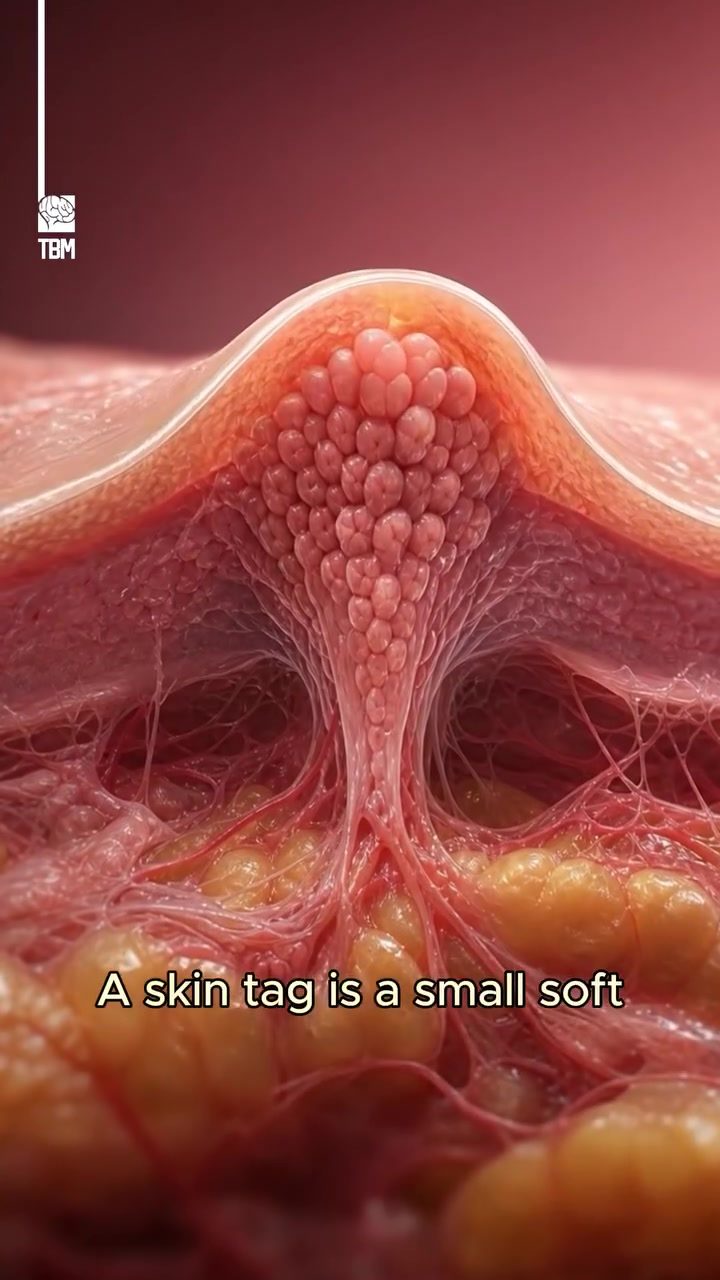
Skin Tags and Cryotherapy: A Comprehensive Guide
Skin tags are small, soft, harmless growths that hang from the surface of the skin. Over time, extra skin cells and tiny blood vessels can grow into a small, raised flap. These common skin growths can appear on various parts of the body, including the neck, armpits, and eyelids. Understanding what skin tags are and how they can be removed is essential for those who want to address them.
Why This Matters
Skin tags are generally benign, but they can cause discomfort or be a cosmetic concern. Removing them safely and effectively is important for maintaining skin health and appearance. Cryotherapy, a common procedure for skin tag removal, offers a non-surgical solution that is both effective and relatively painless. This procedure uses extreme cold to freeze and destroy the tissue, making it a popular choice for many.
What is a Skin Tag?
A skin tag, also known as an acrochordon, is a small, benign growth that hangs from the skin. These growths usually appear on areas where the skin rubs against skin or clothing, such as the neck, armpits, and eyelids. Skin tags are not contagious and do not pose a significant health risk. However, some people may choose to remove them for cosmetic reasons or if they become irritated or catch on clothing.
Cryotherapy: The Freezing Process
Cryotherapy is a medical procedure that involves the use of extreme cold to destroy abnormal or diseased tissue. This method is commonly used to remove skin tags, warts, and other small skin growths. The process is straightforward and typically performed in a doctor's office. Here's how it works:
Examination and Preparation
Before the procedure, the skin tag is carefully examined to ensure it is not another type of lesion, such as a mole or wart. Once the skin tag is identified, the area is cleaned to prevent infection. The doctor then applies liquid nitrogen directly to the tag using a spray device or cotton swab.
Application of Liquid Nitrogen
Liquid nitrogen is extremely cold, with a temperature of around -196°C (-321°F). When applied to the skin tag, it freezes the tissue, causing the cells to die. This process damages the cells inside the tag, leading to its eventual removal.
Post-Treatment Effects
After the application of liquid nitrogen, the skin tag may darken, blister, or form a small scab. Over the next several days, the frozen tissue dries, shrinks, and usually falls off naturally. New skin then heals underneath, leaving the area smooth and free of the tag.
What to Expect After Treatment
The healing process after cryotherapy is generally smooth, but it's important to follow some basic post-treatment care instructions:
Immediate Aftercare
After the procedure, it's normal to experience some mild discomfort or a slight burning sensation. Over-the-counter pain relievers can help manage any pain. Avoid touching or picking at the treated area to prevent infection.
Healing and Recovery
It typically takes about 1-2 weeks for the skin tag to fall off completely. During this time, the area may become slightly red or swollen. It's important to keep the area clean and dry to promote healing.
Follow-Up
Follow-up appointments may be necessary to ensure the skin tag has been completely removed and to monitor the healing process. If any concerns arise, such as persistent pain or signs of infection, contact a healthcare provider immediately.
Practical Tips for Skin Tag Removal
If you're considering cryotherapy for skin tag removal, here are some practical tips to ensure a smooth and effective process:
Choose a Qualified Professional
Ensure that the procedure is performed by a qualified healthcare provider, such as a dermatologist. This will help minimize the risk of complications and ensure the best possible outcome.
Be Patient
The healing process takes time, so be patient and follow the post-treatment care instructions carefully. Avoid picking or scratch at the treated area to prevent scarring or infection.
Stay Informed
Understand the procedure and what to expect before, during, and after the treatment. Ask your healthcare provider any questions you may have to ensure you are well-informed.
Maintain Skin Health
Keep the treated area clean and dry, and avoid any activities that may irritate the skin. This will help promote healing and reduce the risk of complications.
Important Takeaways
Skin tags are common and generally harmless growths that can be effectively removed through cryotherapy. This non-surgical procedure uses liquid nitrogen to freeze and destroy the tissue, allowing it to fall off naturally over time. By understanding the process and following post-treatment care instructions, you can ensure a smooth and successful removal.
Conclusion
Cryotherapy is a safe and effective method for removing skin tags without the need for surgery. By using extreme cold to freeze the tissue, this procedure damages the cells inside the tag, leading to its natural detachment. Following the treatment, proper aftercare is essential to promote healing and prevent complications. If you're considering skin tag removal, consult with a healthcare provider to discuss your options and ensure the best possible outcome.
Watch the Reel
Questions readers ask
What is cryotherapy and how does it work for skin tag removal?
Cryotherapy is a process that uses extreme cold to destroy unwanted tissue. For skin tag removal, a healthcare professional applies liquid nitrogen or a similar substance to the skin tag, freezing it. Once the skin tag freezes, the blood vessels feeding it constrict and the cells within the skin tag die. The skin tag will then naturally fall off, typically within a week or two, leaving minimal scarring.
Is cryotherapy a suitable method for small skin tag removal?
Yes, cryotherapy is an ideal method for removing small skin tags. The procedure is quick, non-surgical, and effective for small, benign growths. It's particularly useful for skin tags in sensitive areas, such as the eyelids or face, as it minimizes the risk of scarring and infection.
Can I perform cryotherapy for skin tag removal at home?
While there are at-home cryotherapy kits available, it is generally recommended to have the procedure performed by a healthcare professional. At-home treatments may not be as effective and can potentially cause skin damage or scarring if not applied correctly. Always consult a professional for proper diagnosis and treatment.
What should I expect during and after the cryotherapy procedure for skin tag removal?
The cryotherapy procedure itself is relatively quick and painless, often taking only a few seconds. Blisters and redness at the treatment site are common. However, discomfort is typically minor and can be managed with over-the-counter pain relievers. Aftercare involves keeping the area clean, avoiding picking or scratching the treated skin tag, and allowing the skin to heal naturally, which usually takes 7 to 10 days.
What are the benefits of using cryotherapy for skin tag removal?
Cryotherapy is a popular choice for skin tag removal due to its non-surgical nature, minimal discomfort, and low risk of complications. The procedure is quick, often completed in a single session, and the recovery time is short. Additionally, cryotherapy is a cost-effective solution for removing skin tags, and it can be performed in a clinical setting without the need for anesthesia.
How should I prepare for a cryotherapy skin tag removal session?
Preparation for a cryotherapy session is minimal. Avoid applying any creams, lotions, or makeup to the area with the skin tag on the day of the procedure. Ensure the area is clean and dry. Wearing comfortable clothing that allows easy access to the treatment site can also be helpful. Your healthcare provider will give you specific instructions based on your individual needs.
What happens if I accidentally remove the skin tag before it falls off naturally?
If you accidentally remove the skin tag before it falls off naturally, it is important to keep the area clean to prevent infection. Apply an antibiotic ointment and monitor the site for any signs of infection, such as increased redness, swelling, or discharge. If you notice any concerning symptoms, consult a healthcare professional immediately. Generally, the area should heal within a few days without complications.
Related deep dives
Similar reads based on topic and creator.

Recent articles
Fresh deep dives from the latest Reels we unpacked.




Comments
Be the first to comment.