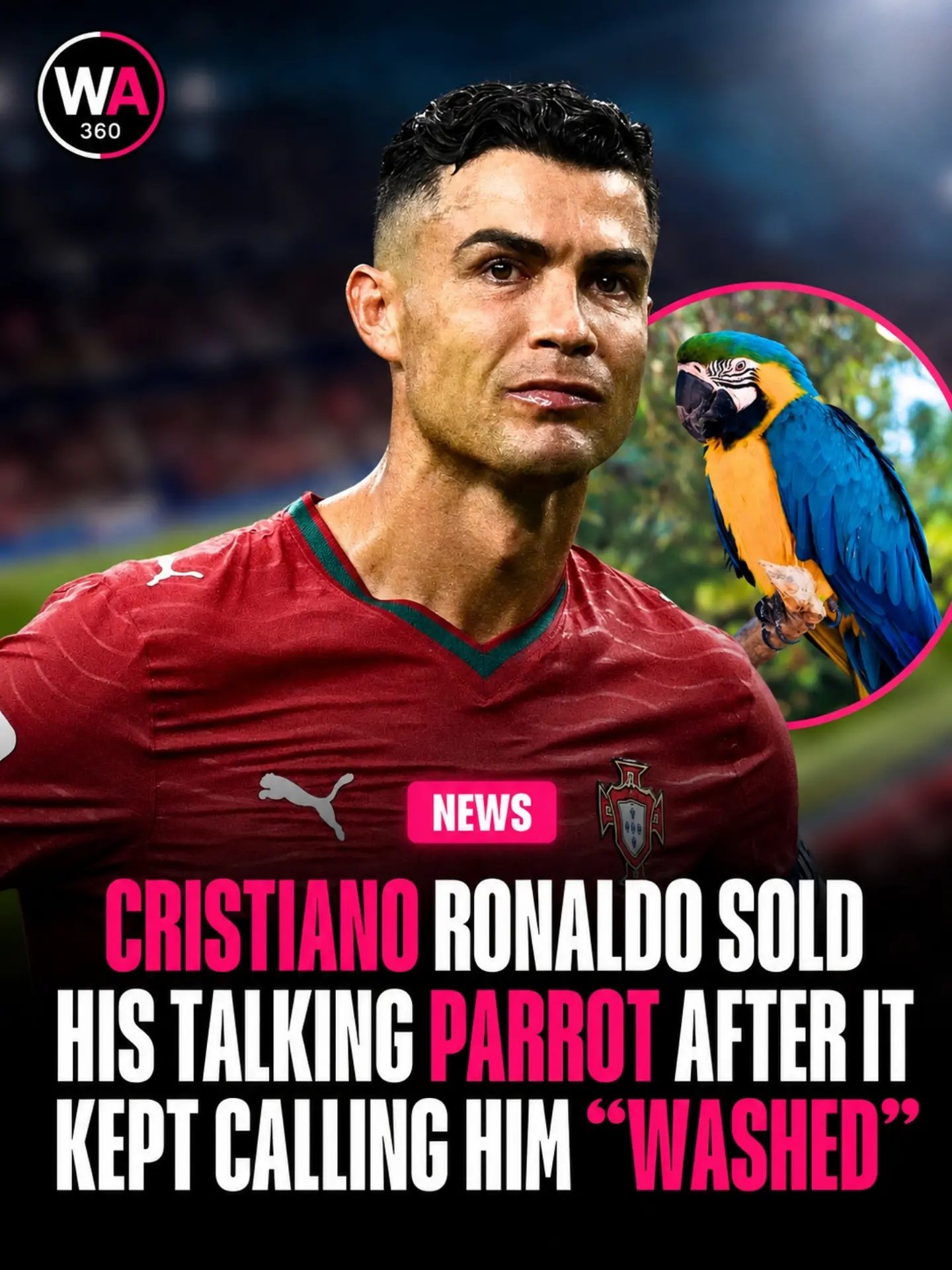
Misleading viral rumors, particularly those about celebrities like Cristiano Ronaldo, can cause confusion. A recent viral story involved Ronaldo selling his talking parrot, which allegedly called him “Washed”, grabbed attention and spread widely. Understanding why such rumors spread and how to verify them is important.
Context / Why This Matters
The age of social media has changed how we consume news. Information spreads rapidly, but not all of it is accurate. Rumors and sensational headlines often prioritize engagement over facts, leading to the spread of misinformation. This not only affects celebrities like Ronaldo but also has broader implications for society, as it can shape public opinion and behavior.
Main Discussion
The Source of the Rumor
The rumor about Ronaldo selling his parrot because it kept calling him "Washed" is a classic example of a viral story designed to grab attention. The term "Washed" in sports slang refers to an athlete who has passed their peak and is no longer performing at a high level. The idea that a parrot would insult Ronaldo in this way is comically absurd, but it’s the kind of story that gets shared widely because it's entertaining and provocative.
The Parrot and Puma
As Ronaldo's image was superimposed with a parrot and wearing a red shirt with the Puma logo, it's important to understand that rumors like this often use such images to tie the celebrity to the story. The fact that Ronaldo was featured in a jersey with the Puma brand indicates that there are elements of verifiable fact. Ronaldo is a well-known brand ambassador for Puma, which makes the rumor appear more plausible. However, the key detail here is the lack of any credible source confirming Ronaldo sold a parrot.
Understanding Viral News Stories
The spread of viral news stories often relies on the power of sensationalism. The story of Ronaldo and the parrot is a good example. People tend to share stories that evoke strong emotions, whether it's amusement, outrage, or disbelief. The idea that a parrot would insult a world-famous athlete is inherently funny and makes the story highly shareable.
The Role of Media Literacy
In the digital age, media literacy is crucial. It’s important to approach viral stories with a critical eye. Before believing or sharing sensational claims, take a moment to verify the source. Look for credible news outlets and official statements. In the case of rumors involving celebrities, checking the sources can help separate fact from fiction.
Practical Tips
To verify the authenticity of a viral story, follow these steps:
- Check the Source: Look for the original source of the information. Is it a reputable news outlet or a social media post? Has the source been verified?
- Look for Credible Reporters: Check if credible journalists or official representatives have reported on the story. Official statements are often a good indicator of authenticity.
- Verify with Multiple Sources: Confirm the story with multiple, independent sources. If only a few sources report the story, it’s less likely to be true.
- Use Fact-Checking Sites: Websites like Snopes, FactCheck.org, and PolitiFact can help verify whether a story is genuine.
- Consider the Context: Understand the context of the story. Does it make sense? Is it plausible?
Important Takeaways
Viral rumors are often designed to draw clicks and shares. While they can be entertaining, it's essential to approach them with a critical mindset. Verifying information before sharing it helps in maintaining the integrity of information in the digital age. Understanding the difference between credible news and viral rumors is important.
Conclusion
Viral rumors, like the one about Cristiano Ronaldo selling his parrot, highlight the role of critical thinking in the digital age. Stories that are sensational and entertaining often spread quickly, but they can be misleading. By developing media literacy and verifying sources, we can better navigate the information landscape and avoid the pitfalls of misinformation.
Watch the Reel
Questions readers ask
Who started the rumor about Cristiano Ronaldo selling his parrot?
The exact origin of the rumor is unclear, but it likely started on social media platforms. Many rumors are merely speculation or attempts to gain attention online, making it difficult to pinpoint a specific source.
What did the parrot supposedly say to Cristiano Ronaldo?
The rumor claimed that the parrot insulted Ronaldo by calling him “Washed,” which is a slang term for someone considered past their prime or no longer relevant. This allegation was a key part of the story that gained traction online.
Is there any truth to the rumor about Ronaldo's parrot?
As of the latest information, there is no credible evidence supporting the rumor. Neither Ronaldo nor his representatives have confirmed the story, and it appears to be a piece of misinformation designed to attract attention and generate buzz.
Why do these kinds of rumors spread so quickly about celebrities like Ronaldo?
Celebrities like Cristiano Ronaldo have a large, engaged audience. Viral rumors about them can attract significant attention, as fans are often eager to share and discuss news about their favorite stars. Additionally, sensational headlines are more likely to be shared widely, contributing to the rapid spread of misinformation.
What role do brands like Puma play in these rumors?
Brands like Puma, which have partnerships with celebrities, can sometimes be drawn into viral rumors. In the case of the parrot rumor, Puma's association with Ronaldo led to speculations that the brand was involved in the story, though there is no evidence to support this. Brands often address such rumors to maintain their credibility and ensure their partnerships with celebrities don’t suffer.
Related deep dives
Similar reads based on topic and creator.


Recent articles
Fresh deep dives from the latest Reels we unpacked.




Comments
Be the first to comment.