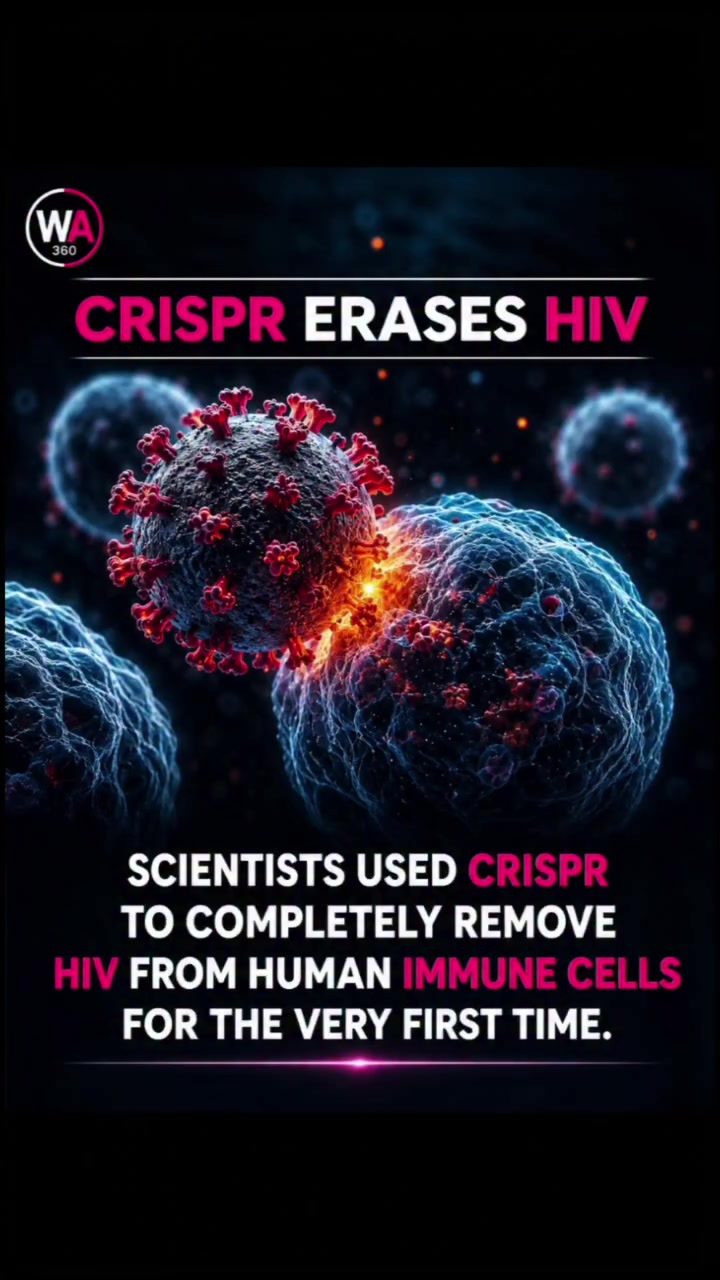
CRISPR HIV Eradication
CRISPR gene-editing technology has made a significant leap forward in the fight against HIV. Researchers have successfully used this technology to remove HIV from human immune cells in a laboratory setting for the first time. This breakthrough offers new hope in the ongoing battle against HIV and demonstrates the potential of gene editing in developing long-term treatments.
Why This Matters
The successful removal of HIV from immune cells represents a major milestone in HIV research. HIV, or human immunodeficiency virus, attacks the body's immune system, specifically the CD4 cells, often called T cells. These cells help the body fight off infections. Once HIV infects these cells, it can hide and replicate, making it difficult for the immune system to eradicate. This breakthrough could lead to more effective therapies and potentially a future where HIV can be permanently controlled or even eliminated.
Understanding the Breakthrough
What is CRISPR?
CRISPR, or Clustered Regularly Interspaced Short Palindromic Repeats, is a powerful tool for editing genomes. It allows scientists to easily alter DNA sequences and modify gene function. The technology uses a combination of a guide RNA molecule and an enzyme called Cas9 to target specific DNA sequences and either cut, insert, or correct them. This precision makes CRISPR a valuable tool for treating genetic diseases, including HIV.
How Was CRISPR Used in This Research?
In this groundbreaking study, researchers used CRISPR to target and remove HIV from human immune cells. The process involved identifying the specific genetic sequences of HIV within the cells and using CRISPR to cut out these sequences. This effectively removed the virus from the cells, preventing it from replicating and causing further infection.
The Path Forward
While the findings are highly encouraging, it is important to note that this is an early-stage breakthrough. Further laboratory studies, clinical trials, and extensive safety testing are still required before this approach could become a treatment option for patients. The research demonstrates the growing potential of CRISPR technology in tackling some of the world's most challenging diseases. Each scientific breakthrough brings us one step closer to more effective therapies and, potentially, a future where HIV can be permanently controlled or eliminated.
Laboratory Studies and Clinical Trials
The next steps involve conducting more laboratory studies to refine the technique and ensure its safety and efficacy. Clinical trials will then be necessary to test the approach in human subjects. These trials will help researchers understand how well the treatment works in real-world conditions and identify any potential side effects or challenges.
Safety and Ethical Considerations
As with any new medical technology, safety and ethical considerations are paramount. Researchers must ensure that the use of CRISPR in treating HIV is safe and does not cause unintended genetic mutations or other adverse effects. Ethical considerations include informed consent, the potential for genetic discrimination, and the long-term implications of gene editing.
Practical Tips for Understanding CRISPR and HIV Research
Stay Informed
Keeping up-to-date with the latest research and developments in HIV and gene-editing technologies is crucial. Follow reputable sources and scientific journals for the most accurate and up-to-date information.
Support Ongoing Research
Supporting ongoing research and clinical trials is essential for advancing our understanding of HIV and developing effective treatments. This can be done through donations, advocacy, and participating in clinical trials when eligible.
Engage with the Scientific Community
Engaging with the scientific community, whether through online forums, social media, or local events, can provide a deeper understanding of the research and its implications. This engagement can also help disseminate accurate information and combat misinformation.
Important Takeaways
- CRISPR gene-editing technology has successfully removed HIV from human immune cells for the first time.
- This breakthrough offers new hope in the fight against HIV and demonstrates the potential of gene editing in developing long-term treatments.
- Further laboratory studies, clinical trials, and safety testing are necessary before this approach can be used as a treatment option.
- Staying informed, supporting ongoing research, and engaging with the scientific community are practical steps to understanding and advancing HIV research.
Conclusion
The successful use of CRISPR to remove HIV from human immune cells marks a significant step forward in HIV research. While there is still much work to be done, this breakthrough brings us closer to more effective therapies and a future where HIV can be controlled or eliminated. By staying informed, supporting research, and engaging with the scientific community, we can all contribute to this ongoing effort.
Watch the Reel
Questions readers ask
How does CRISPR technology remove HIV from human immune cells?
CRISPR technology works by targeting and cutting out specific sections of DNA. In the case of HIV, scientists program CRISPR to identify and remove the viral DNA that has integrated into the host cell's genome. This process prevents HIV from replicating and potentially eradicates it from the immune cells.
What makes this breakthrough significant in HIV research?
This is the first time CRISPR has been used to successfully remove HIV from human immune cells in a lab setting. It opens up new avenues for developing long-term treatments and potentially even a cure for HIV, as it addresses the virus's ability to hide within cells and evade traditional treatments.
Can this method be used to prevent HIV infection?
The current lab-based findings focus on removing HIV from already infected cells. While this doesn't directly prevent initial infection, advancing this technology could lead to better treatments that strengthen the immune system's ability to resist or fight off HIV, indirectly aiding in prevention strategies.
How does HIV hide within cells, and why is this removal significant?
HIV can integrate its genetic material into the DNA of CD4 cells, allowing it to hide and replicate undetected. Removing HIV from these cells is significant because it addresses the virus's stealth mechanism, which makes long-term control and potential eradication possible.
What are the next steps in translating this lab breakthrough to clinical use?
Further research and testing are needed to ensure safety and efficacy. This includes animal studies and eventually clinical trials in humans. Scientists must also address potential challenges, such as ensuring CRISPR targets only HIV and not the host's DNA, and delivering the gene-editing tools effectively to immune cells.
How does this advancement impact current HIV treatments?
Current HIV treatments typically involve antiretroviral therapies (ART) that manage the virus but don't eliminate it. This CRISPR breakthrough offers a potential path to long-term control or even a cure by targeting the root of the infection within immune cells, complementing or potentially replacing existing treatments.
What types of immune cells are primarily affected by HIV, and how does CRISPR target them?
HIV primarily targets CD4 cells, which are crucial for a healthy immune response. CRISPR targets these infected cells by identifying and excising the viral DNA integrated into their genome, potentially restoring the cell's normal function and preventing further viral replication.
Recent articles
Fresh deep dives from the latest Reels we unpacked.




Comments
Be the first to comment.