Urban Design in Belgium
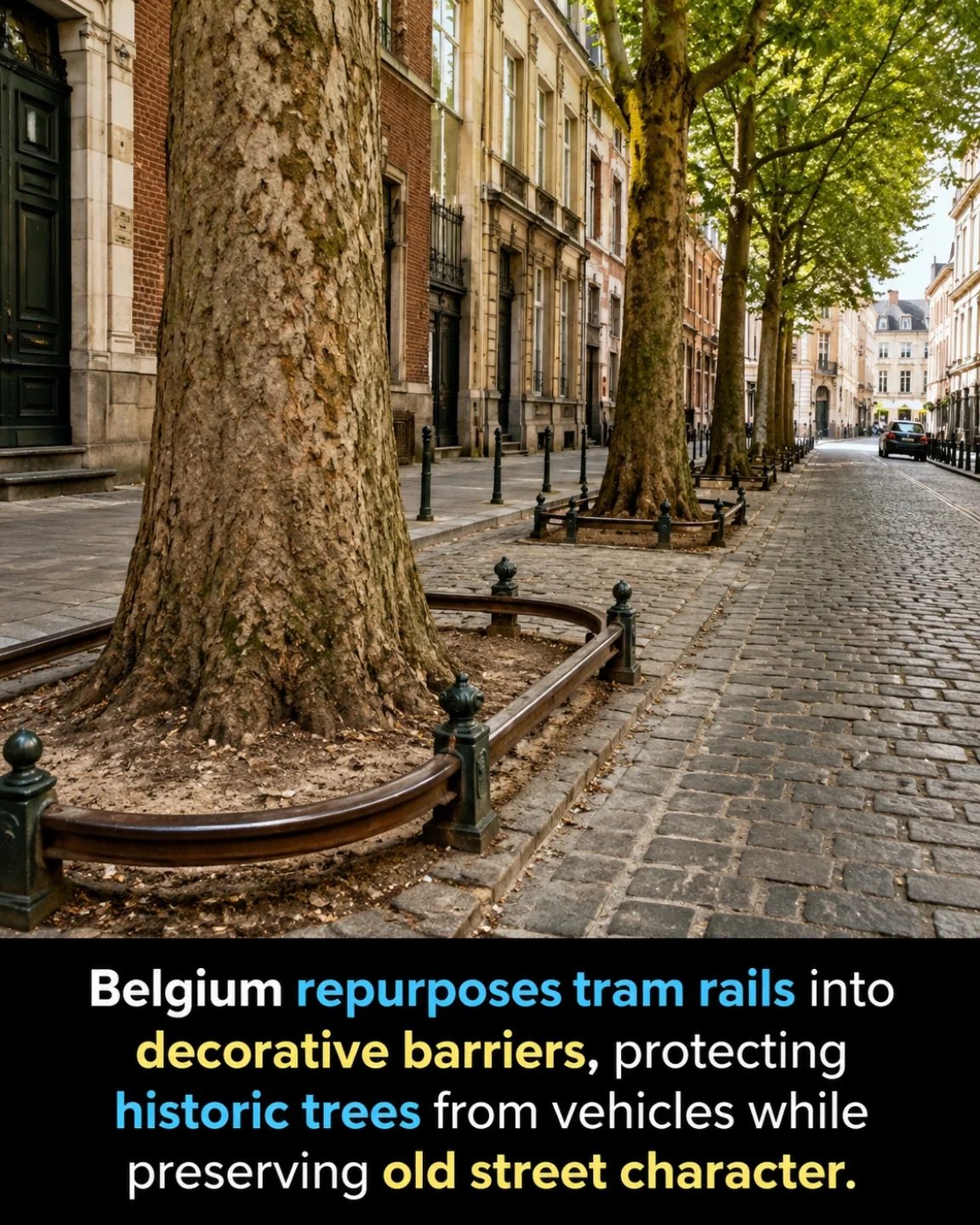
Belgium is renowned for its rich history and charming cities, and a notable example of its urban design ingenuity is the repurposing of old tram rails into decorative barriers, particularly around historic trees. This creative solution not only protects the trees from vehicle damage but also preserves the historical character of the streets. This article delves into the significance of this urban design approach, its practical applications, and the benefits it brings to the urban landscape.
Context / Why this matters
The preservation of historic elements in urban environments is crucial for maintaining the cultural identity of cities. In Belgium, the repurposing of old tram rails serves as a prime example of how urban design can blend functionality with aesthetics. This approach not only safeguards historic trees but also adds to the visual appeal of the streets, making them more inviting for residents and tourists alike.
Main discussion
Historical Significance
Belgium's streets are lined with historic trees that have stood the test of time. These trees are not just part of the landscape; they are living elements of the city's history. Old tram rails, once a vital part of the city's infrastructure, have been repurposed to protect these trees. By doing so, the city has found a way to honor its past while ensuring that future generations can enjoy the same historical ambiance.
Creative Urban Design
The repurposing of old tram rails into decorative barriers is a testament to creative urban design. This solution is both functional and aesthetically pleasing. The barriers serve as a physical shield, protecting the trees from potential damage by vehicles. At the same time, they add a unique charm to the streets, blending seamlessly with the historic architecture. This dual functionality makes the design solution a standout example of how urban planning can be both practical and beautiful.
Ecological Benefits
The barriers around the historic trees not only protect them from physical damage but also from the constant wear and tear of urban life. This ensures the longevity of these trees, which in turn contributes to the urban ecosystem. Trees play a crucial role in urban environments by providing shade, improving air quality, and enhancing the overall green cover. By preserving these trees, the city is investing in its ecological future.
Aesthetic and Cultural Preservation
The repurposing of old tram rails also highlights the city's commitment to preserving its cultural heritage. Old tram rails are a reminder of a bygone era, and by incorporating them into modern urban design, the city ensures that its past is not forgotten. This approach creates a harmonious blend of old and new, making the streets more visually appealing and culturally significant.
Practical tips
For Urban Designers
Urban designers looking to implement similar solutions can start by identifying elements that can be repurposed. Old tram rails, like those in Belgium, are one such element. By repurposing them, urban planners can create solutions that are both functional and aesthetically pleasing. The key is to think creatively and look for ways to blend the old with the new.
For City Planners
City planners can learn from Belgium's approach by prioritizing historical preservation in their urban design strategies. This involves identifying historic elements, such as trees, that need protection, and finding creative ways to protect them. Repurposing old elements, like tram rails, can be a cost-effective and sustainable solution.
Important takeaways
- Urban design can blend functionality with aesthetics, as seen in Belgium's repurposing of old tram rails.
- Preserving historic elements in urban environments is crucial for maintaining cultural identity.
- Creative urban design solutions can have both practical and aesthetic benefits.
- Repurposing old elements, like tram rails, can be a sustainable and cost-effective approach to urban planning.
Conclusion
Belgium's repurposing of old tram rails into decorative barriers around historic trees is a shining example of creative urban design. This solution not only protects the trees but also preserves the historical character of the streets. By blending functionality with aesthetics, urban planners can create solutions that are both practical and visually appealing. This approach ensures that the city's historic elements are not forgotten and that future generations can enjoy the same rich cultural heritage.
Watch the Reel
Questions readers ask
What inspired Belgium to repurpose old tram rails into decorative barriers?
Belgium's initiative to repurpose old tram rails was driven by a desire to protect historic trees and preserve the cultural identity of its cities. By transforming old infrastructure into decorative barriers, Belgium has found a way to enhance the visual appeal of its streets while maintaining their historic charm.
How do repurposed tram rails benefit historic trees in urban areas?
Repurposed tram rails act as protective barriers around historic trees, shielding them from vehicle damage and other urban hazards. This not only helps in preserving the trees but also ensures that the urban landscape retains its natural beauty and historical character.
What are the visual advantages of using old tram rails as street decor?
Using old tram rails as decorative barriers adds a unique and rustic charm to the streets. These barriers blend seamlessly with the historic architecture, creating a cohesive and inviting street scene that celebrates both the past and the present.
Can other cities adopt Belgium's approach to urban design?
Yes, other cities can certainly adopt a similar approach. Repurposing old infrastructure into decorative and functional elements is a creative and sustainable solution that can be tailored to fit the unique needs and historical context of any city.
How does repurposing tram rails contribute to the cultural identity of Belgian cities?
By integrating repurposed tram rails into their urban design, Belgian cities maintain a tangible link to their past. This not only preserves the historical character of the streets but also fosters a sense of pride and continuity among residents, enhancing the overall cultural identity of the city.
Are there any practical benefits to using old tram rails as street barriers?
Beyond their aesthetic appeal, repurposed tram rails serve a practical purpose by protecting pedestrians and cyclists from vehicle traffic. They also guide traffic flow, reducing the risk of accidents and creating a safer, more organized urban environment.
What other forms of old infrastructure can be repurposed for urban design?
The possibilities are vast and include old railway tracks, retired street signs, and vintage streetlights. Creative repurposing can breathe new life into these elements, transforming them into artistic installations, seating areas, or functional barriers that enhance the urban landscape.
Related deep dives
Similar reads based on topic and creator.



Recent articles
Fresh deep dives from the latest Reels we unpacked.




Comments
Be the first to comment.