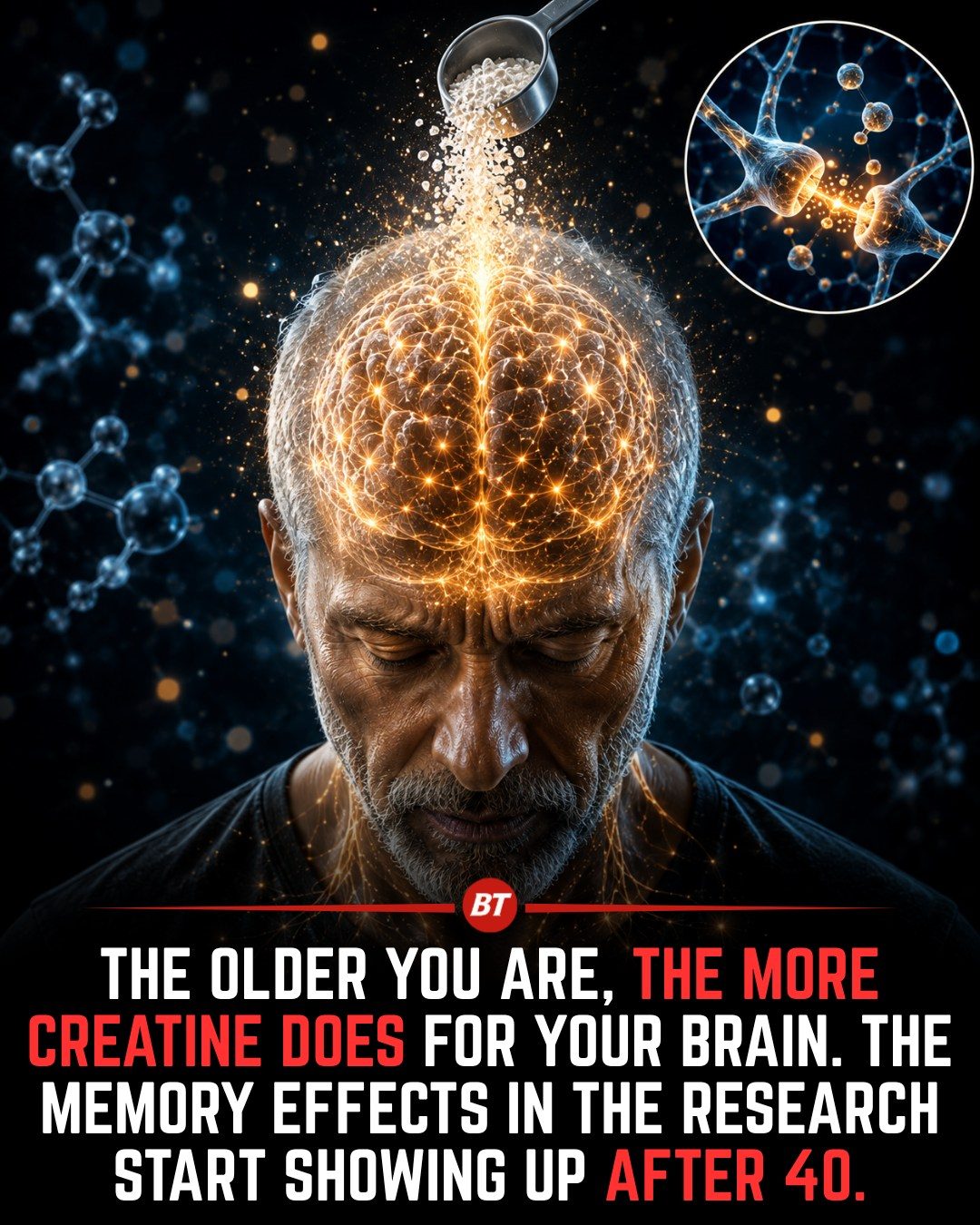
Brain Health & Creatine
Creatine is a supplement known for its muscle-building benefits, but it also shows promise for supporting brain health, especially as we age. Scientists are exploring how creatine might enhance the brain's energy supply, potentially benefiting cognitive function in older adults.
Why This Matters
Creatine supplementation could be a valuable tool for maintaining cognitive health, especially for those over 40. As we age, the brain's energy production becomes less efficient, which can impact memory, attention, and overall cognitive performance. Creatine, already recognized for its role in muscle energy, is a molecule that helps recycle ATP, the body's primary energy source. This means it could potentially support brain cells in rapidly producing the energy needed for communication, learning, and memory.
Creatine supplementation has gained attention in recent years for its role in supporting brain health. This is particularly relevant for individuals who are experiencing mental fatigue, sleep deprivation, or other conditions that can affect cognitive performance. Research suggests that creatine could help maintain the brain's energy reserves during periods of increased demand, potentially boosting cognitive function in middle-aged and older adults, vegetarians, and people experiencing mental fatigue or sleep deprivation.
Main Discussion
Understanding Creatine and Brain Energy
Creatine is a naturally occurring compound that plays a crucial role in energy production. In the brain, every thought, memory, and decision requires a significant amount of energy. Creatine helps recycle ATP, the body's main energy molecule, which allows brain cells to produce the energy needed for various cognitive functions.
As we age, the brain's energy production becomes less efficient. This can lead to a decline in cognitive function, including memory, attention, and mental processing. Supplementing with creatine may help to support brain energy levels, potentially mitigating some of these age-related cognitive declines.
Research on Creatine and Cognitive Function
Several studies have explored the effects of creatine on cognitive function, with mixed but generally promising results. Research published in journals such as Nutrients, Psychopharmacology, and the Journal of Clinical Medicine has found that creatine supplementation may improve memory, attention, and mental processing. These benefits appear to be particularly noticeable in middle-aged and older adults, vegetarians, and individuals experiencing mental fatigue or sleep deprivation.
One key finding is that the cognitive benefits of creatine become more apparent as people age. This is likely because the brain's energy metabolism naturally begins to decline with age, making creatine supplementation more impactful.
Mechanism of Action
Creatine's role in supporting brain health is rooted in its ability to help maintain the brain's energy reserves. When the brain is under increased demand, such as during periods of intense mental activity, creatine can help ensure that there is enough energy available to support cognitive functions.
Creatine does not work alone; its effects are amplified when combined with other healthy lifestyle choices. Regular exercise, quality sleep, social engagement, and a nutrient-rich diet can all contribute to maintaining brain health and cognitive function. Creatine supplementation can be an additional tool to support these efforts, particularly as we age.
Age-Related Considerations
The effects of creatine on cognitive function appear to be more pronounced in individuals over the age of 40. This is likely due to the natural decline in the brain's energy metabolism as we age. As the brain becomes less efficient at producing energy, creatine's role in recycling ATP becomes more critical. This makes creatine a valuable supplement for older adults looking to support their cognitive health.
Practical Tips
If you're considering creatine supplementation for brain health, here are some practical tips to get you started:
-
Dosage: A common dosage for creatine supplementation is 3 to 5 grams of creatine monohydrate per day. This range has been widely studied and is generally considered safe and effective for most people.
-
Pair with Exercise: Combining creatine supplementation with regular strength training can provide additional benefits for both muscle and brain health. Exercise promotes overall brain health by increasing blood flow and oxygen to the brain, which can enhance cognitive function.
-
Adequate Protein Intake: Ensure that you are getting enough protein in your diet, as this can help support the body's natural production of creatine.
-
Healthy Lifestyle: In addition to creatine supplementation, prioritize a healthy lifestyle that includes regular exercise, quality sleep, social engagement, and a nutrient-rich diet. These factors are crucial for maintaining overall brain health.
Important Takeaways
Creatine is a valuable supplement for supporting brain health, especially as we age. It helps recycle ATP, the body's main energy molecule, allowing brain cells to produce the energy needed for cognitive functions. Research suggests that creatine supplementation may improve memory, attention, and mental processing, particularly in middle-aged and older adults.
While creatine is not a miracle supplement and won't prevent cognitive decline on its own, it can be a beneficial addition to a healthy lifestyle. When combined with regular exercise, quality sleep, social engagement, and a nutrient-rich diet, creatine may support healthy brain aging.
Conclusion
Creatine has long been known for its muscle-building benefits, but its potential role in supporting brain health is increasingly gaining attention. For individuals over 40, creatine supplementation may offer significant benefits for cognitive function, particularly when combined with a healthy lifestyle. As research continues to uncover the mechanisms behind creatine's effects on the brain, it is becoming clear that this supplement could be a valuable tool for maintaining brain health as we age.
Watch the Reel
Questions readers ask
How does creatine support brain health in older adults?
Creatine aids in recycling ATP, the brain's primary energy source. By enhancing the brain's energy supply, creatine may improve cognitive function and slow down age-related mental decline in older adults.
What are the potential benefits of creatine for memory?
Creatine supplementation may support memory by increasing the brain's energy supply, which can help maintain cognitive performance and potentially improve recall abilities in older adults.
At what age should one consider creatine for cognitive support?
Individuals over 40 may find creatine beneficial for maintaining cognitive health, as the brain's energy production tends to decrease with age, impacting memory and attention.
How does creatine help with energy production in the brain?
Creatine plays a crucial role in recycling ATP, which is the brain's primary energy source. This process helps brain cells produce energy more efficiently, supporting overall cognitive function.
Is creatine the only supplement that can help with brain aging?
While creatine shows promising results for supporting cognitive health in older adults, it is not the only supplement that may help with brain aging. Other supplements, such as omega-3 fatty acids and certain antioxidants, are also being studied for their potential benefits.
What does the research say about creatine and cognitive function?
Research indicates that creatine supplementation may enhance cognitive function in older adults by improving the brain's energy metabolism. Some studies suggest that creatine can positively impact memory, attention, and overall mental performance. However, more research is needed to fully understand its effects on cognitive health.
Can creatine supplements be used to improve brain health in seniors?
Yes, creatine supplements may be beneficial for seniors looking to maintain or enhance their brain health. By supporting the brain's energy production, creatine could help combat age-related cognitive decline and improve overall mental function.
Related deep dives
Similar reads based on topic and creator.




Recent articles
Fresh deep dives from the latest Reels we unpacked.




Comments
Be the first to comment.