Creatine and Depression
Creatine, a naturally occurring amino acid, is known for its role in energy production and is commonly associated with athletic performance. However, recent studies have shed light on its potential benefits for mental health, specifically in reducing symptoms of depression in women.
Context / Why this matters
Depression is a complex and multifaceted condition that affects millions of people worldwide. While traditional treatments such as antidepressants and therapy are effective for many, there is always a need for additional approaches to support mental health. The possibility that a widely available supplement like creatine could alleviate symptoms of depression offers a promising avenue for further research and potential treatment options.
Main discussion
The Science Behind Creatine
Creatine is primarily known for its role in muscle energy metabolism. It helps to produce adenosine triphosphate (ATP), the body's primary energy currency. This process is crucial for high-intensity activities and has made creatine a popular supplement among athletes. However, creatine's benefits extend beyond the gym. The brain also relies on ATP for its energy needs, and creatine supplementation may help fuel this energy system, potentially aiding in brain recovery and function.
Creatine and Depression: The Study
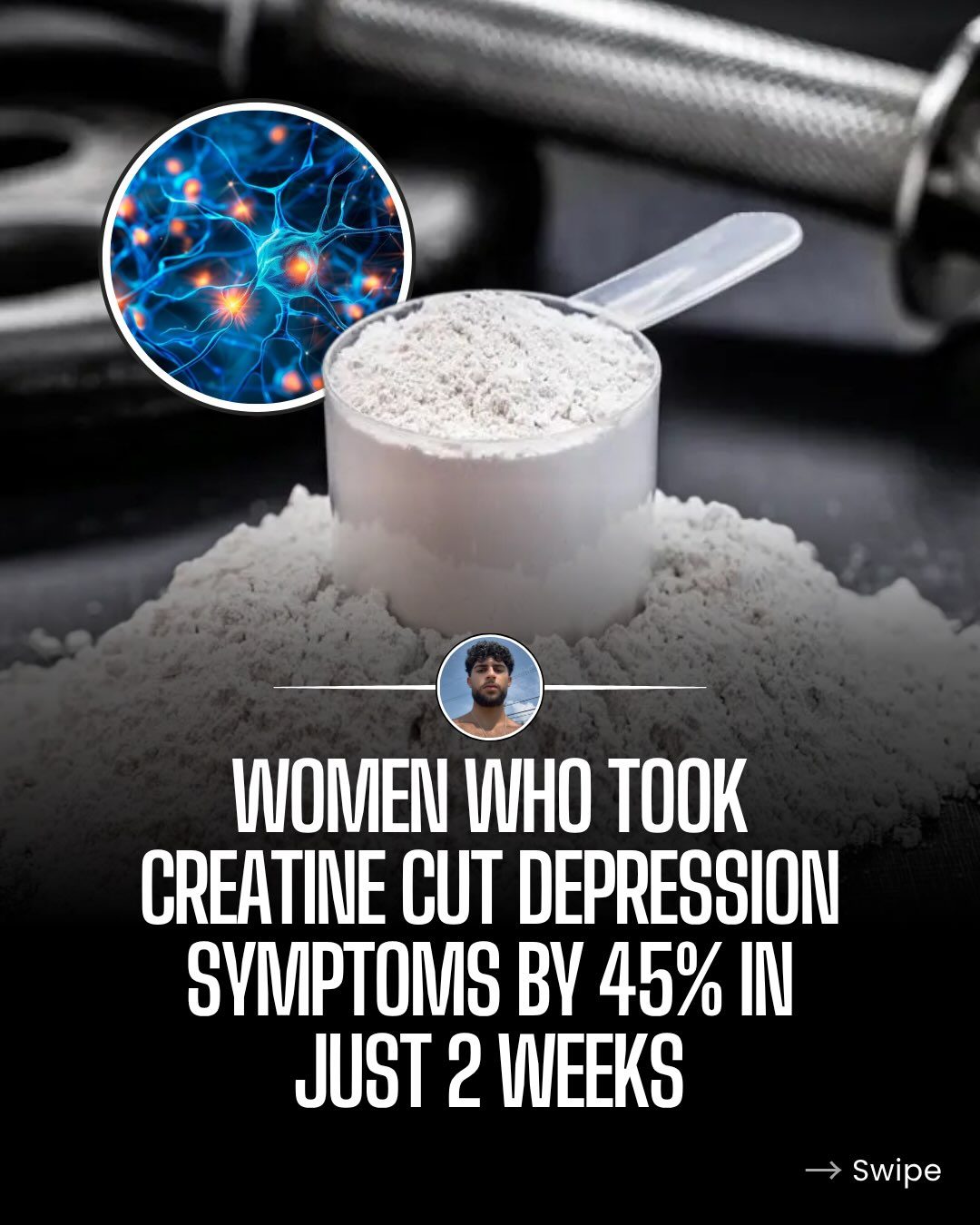
A study involving women with major depression found that those taking 5 grams of creatine daily, in addition to their usual antidepressants, experienced a significant reduction in symptoms. Specifically, these women reported a 45% decrease in depression symptoms within just two weeks. Even more impressively, after eight weeks, over half of the participants no longer met the criteria for depression.
The study was a randomized, double-blind, placebo-controlled trial, which is considered the gold standard for clinical research. This rigorous methodology helps to ensure that the observed effects are truly due to the creatine and not other factors. The trial's results provide strong evidence that creatine may play a role in alleviating depression symptoms.
Creatine Levels in Women
Women naturally carry 70-80% less creatine than men, which may contribute to disparities in mental health outcomes. Menopause, a transitional phase in a woman's life, can further deplete creatine levels, potentially increasing the risk of depression. This biological difference underscores the importance of understanding how creatine supplementation can benefit women's mental health.
How Creatine Might Help
Researchers hypothesize that creatine helps by providing brain cells with more energy. Depression is often associated with imbalances in neurotransmitters and energy metabolism in the brain. By enhancing the brain's energy system, creatine may support overall brain function and help mitigate depressive symptoms.
Beyond Muscle and Workout
Creatine's reputation as a "muscle" or "workout" supplement often overshadows its broader health benefits. The study underscores that creatine's role in energy production is not limited to physical performance. It highlights the potential for creatine to support brain health and mental well-being, offering a new perspective on this well-known supplement.
Practical tips
If you are considering trying creatine for its potential mental health benefits, here are some practical tips:
Consult a Healthcare Provider
Before starting any new supplement regimen, it's essential to consult with a healthcare provider. They can provide personalized advice based on your health profile and any medications you may be taking.
Start with a Low Dose
If you decide to try creatine, start with a lower dose and gradually increase it. This approach can help your body adjust to the supplement and minimize any potential side effects.
Monitor Your Symptoms
Keep track of any changes in your mood and overall well-being. If you notice improvements, consider continuing with the supplement under your healthcare provider's guidance. If you experience any adverse effects, stop taking it and consult your healthcare provider immediately.
Combine with Other Treatments
Creatine should not replace traditional treatments for depression, such as therapy or medication. Instead, it can be used as an adjunct to support overall mental health.
Consider Dietary Sources
While creatine is available as a supplement, it can also be found naturally in some foods, particularly meat and fish. Incorporating these foods into your diet may help increase your creatine intake naturally.
Important takeaways
Creatine supplementation may offer a promising approach to alleviating depression symptoms in women. The study's findings highlight the potential for creatine to support brain energy metabolism, which could play a crucial role in mental health. Women, who naturally have lower creatine levels, may benefit significantly from supplementation, particularly during phases like menopause.
Conclusion
The study's results indicate that creatine, a supplement traditionally associated with athletic performance, may have promising applications in mental health. By enhancing brain energy metabolism, creatine could help alleviate symptoms of depression, particularly in women. While more research is needed to fully understand the mechanisms and long-term effects, the findings offer a new perspective on how creatine can support overall well-being.
Exploring alternative approaches to mental health, such as creatine supplementation, can provide additional tools for managing depression. As always, it's important to consult with a healthcare provider before starting any new supplement regimen.
Watch the Reel
Questions readers ask
How does creatine help reduce depression symptoms in women?
Creatine plays a crucial role in energy production, including in the brain. By enhancing brain energy levels, creatine may help improve mood and alleviate symptoms of depression in women, as suggested by recent studies.
What are the weekly improvements women can expect from creatine supplements?
Women taking creatine supplements have shown significant improvements in depression symptoms over time when measured weekly. Specific improvements may vary, but studies indicate a general trend of symptom reduction and better mental well-being.
Can creatine be used as an alternative to antidepressants?
While creatine shows promise in reducing depression symptoms, it is not meant to replace antidepressant medication. It should be considered as a complementary approach to support mental health, and any changes to treatment plans should be discussed with a healthcare provider.
What other benefits might creatine offer for women's mental health?
In addition to potentially reducing depression symptoms, creatine may support overall brain health and cognitive function. This can contribute to improved mental clarity and energy levels, which are often affected by depression.
What does the research say about creatine and women's depression?
Recent studies have demonstrated that creatine supplementation can lead to significant improvements in depression symptoms in women. This research highlights the potential of creatine as a supportive tool in managing depression, offering a new perspective in mental health care.
How does creatine support brain energy levels?
Creatine acts as a reserve of high-energy phosphate groups in the brain, helping to maintain energy levels during activities that consume a lot of energy. This energy boost can help improve mood and alleviate depression symptoms.
What should women consider before starting creatine supplements for depression?
Women should consult with a healthcare provider before starting creatine supplements, especially if they are already taking other medications or have underlying health conditions. It is important to follow recommended dosages and monitor any changes in symptoms closely.
Recent articles
Fresh deep dives from the latest Reels we unpacked.




Comments
Be the first to comment.