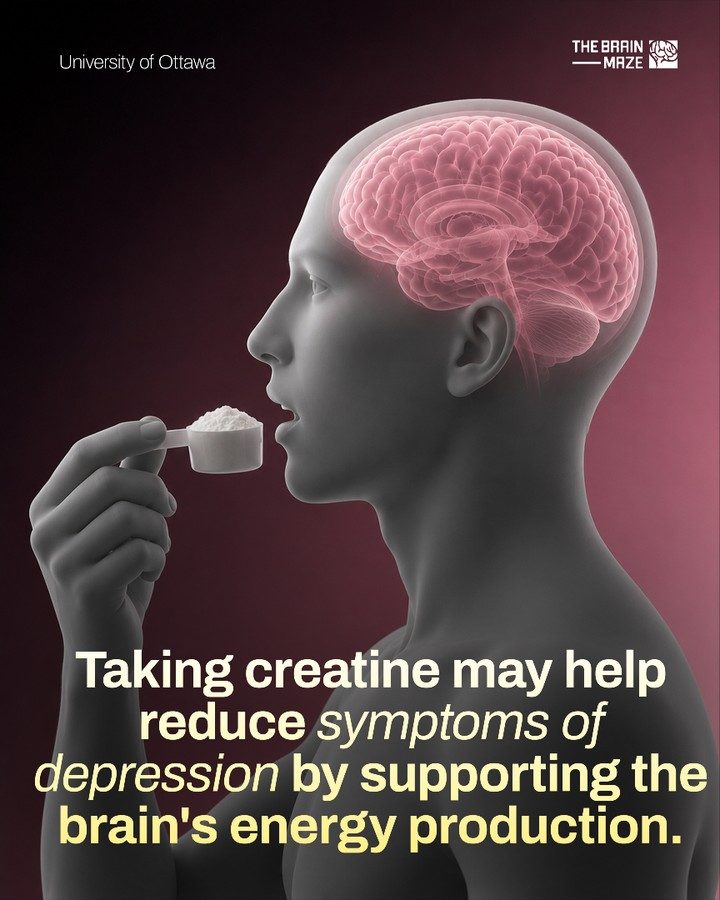
Creatine and Depression
Creatine is a widely recognized supplement among fitness enthusiasts and athletes, known for its role in enhancing muscle performance and endurance. However, recent research has begun to explore its potential benefits beyond the gym, specifically in the realm of mental health, particularly in treating depression.
Context / Why this matters
Depression affects millions of people worldwide, with symptoms varying from mild to debilitating. Current treatment options typically include psychotherapy, medication, or a combination of both. However, not all individuals respond positively to these interventions, highlighting the need for alternative or complementary treatments. Researchers are now investigating the potential role of creatine in addressing this significant mental health issue.
Exploring the science behind creatine and depression
Creatine's role in the brain
Creatine is a naturally occurring amino acid that plays a crucial role in energy metabolism. In the brain, creatine helps to produce adenosine triphosphate (ATP), the primary energy source for cells. By supporting the brain's energy production, creatine may help to improve overall brain function and potentially alleviate symptoms of depression.
Clinical trials and mixed results
A review of five clinical trials, conducted by researchers at the University of Ottawa, has shed some light on the potential of creatine as a treatment for depression. These studies, although limited in scope, have provided intriguing insights into the supplement's effects on mental health.
Some participants in these trials reported improved symptoms after taking creatine. However, the results were not consistent across all studies, with some participants showing no significant benefit. The varied outcomes highlight the need for further, large-scale research to better understand creatine's role in depression treatment.
Potential mechanisms of action
Several hypotheses have been proposed to explain how creatine might help alleviate depression symptoms. One possibility is that creatine's ability to enhance energy production in the brain may help to improve neurotransmitter function, which is often disrupted in individuals with depression. Another theory suggests that creatine may have neuroprotective effects, helping to safeguard brain cells from damage and promoting overall brain health.
Practical tips
While the research on creatine and depression is still in its early stages, there are some practical considerations to keep in mind if you're interested in exploring this potential treatment option.
Consult a healthcare professional
Before beginning any new supplement regimen, it's essential to consult with a healthcare professional. They can provide personalized advice based on your specific needs, medical history, and any medications you may be taking.
Start with a low dose
If you and your healthcare provider decide to incorporate creatine into your treatment plan, it's a good idea to start with a low dose. This approach allows your body to adjust to the supplement gradually and can help minimize the risk of side effects.
Monitor your symptoms
Keep track of your depression symptoms as you begin taking creatine. This information can be invaluable in determining the supplement's effectiveness for you and can help your healthcare provider make any necessary adjustments to your treatment plan.
Important takeaways
Creatine, a well-known supplement for its muscle-boosting properties, is now being explored for its potential role in treating depression. While some clinical trials have shown promising results, the research is still in its early stages, and more large-scale studies are needed to better understand creatine's effects on mental health. If you're considering creatine as a complementary treatment for depression, it's essential to consult a healthcare professional and start with a low dose while monitoring your symptoms closely.
Conclusion
The potential of creatine in treating depression offers an exciting avenue for research and may provide hope for individuals who have not responded well to traditional treatments. While the current evidence is mixed, the idea that a simple supplement could help alleviate depression symptoms is a compelling one. As research continues to unfold, it will be crucial to stay informed about the latest findings and consult with healthcare professionals to determine the best course of action for your specific needs.
Watch the Reel
Questions readers ask
Can creatine supplements really help with depression?
While some studies suggest that creatine may help alleviate symptoms of depression by boosting brain energy production, the results are not yet conclusive. More research is needed to determine the extent of its benefits and the best ways to use it in treating depression. It is not recommended to start taking creatine for depression without consulting a healthcare professional.
How does creatine work in the brain?
Creatine plays a crucial role in energy production within brain cells. It helps to maintain the supply of ATP (adenosine triphosphate), which is the primary energy carrier in cells. By ensuring a steady energy supply, creatine may support overall brain health and potentially improve mood and cognitive function, but more evidence is needed to establish a concrete connection.
What does the Ottawa University study on creatine and depression say?
The study from Ottawa University explored the potential of creatine supplements to support mental health. The research suggested that creatine may help improve brain energy production and potentially alleviate depressive symptoms, but the results were not definitive. Therefore, more extensive studies are required to confirm these findings and establish creatine's role in treating depression.
Should I start taking creatine supplements for mental health benefits?
Before starting any new supplement regimen, including creatine, it is essential to consult with a healthcare provider. While creatine may offer potential benefits for mental health, it is not a replacement for professional help. Always discuss your plans with a healthcare professional to ensure it is safe and appropriate for you, especially if you are already taking other medications or have underlying health conditions.
Are there any side effects of taking creatine?
Creatine is generally considered safe for most people when taken at recommended doses. However, some individuals may experience side effects such as stomach upset, muscle cramps, or weight gain. It is important to follow the recommended dosage guidelines and stay hydrated while taking creatine supplements. If you experience any adverse effects, stop taking the supplement and consult a healthcare professional.
What other benefits can creatine offer besides treating depression?
Creatine is widely known for its benefits in enhancing muscle performance and endurance, making it a popular supplement among athletes and fitness enthusiasts. Additionally, some studies suggest that creatine may support overall brain health, improve cognitive function, and even boost energy levels. However, more research is needed to fully understand these potential benefits and their applications for general health and well-being.
Can creatine be used alongside other depression treatments?
The use of creatine alongside other depression treatments such as psychotherapy or medication should be done under the guidance of a healthcare professional. Creatine should not be used as a standalone treatment. Always consult with your healthcare provider before combining creatine with other treatments to ensure safety and effectiveness.
Related deep dives
Similar reads based on topic and creator.


Recent articles
Fresh deep dives from the latest Reels we unpacked.




Comments
Be the first to comment.