Plexiglass Crafting: The Art of Creating Transparent Spheres
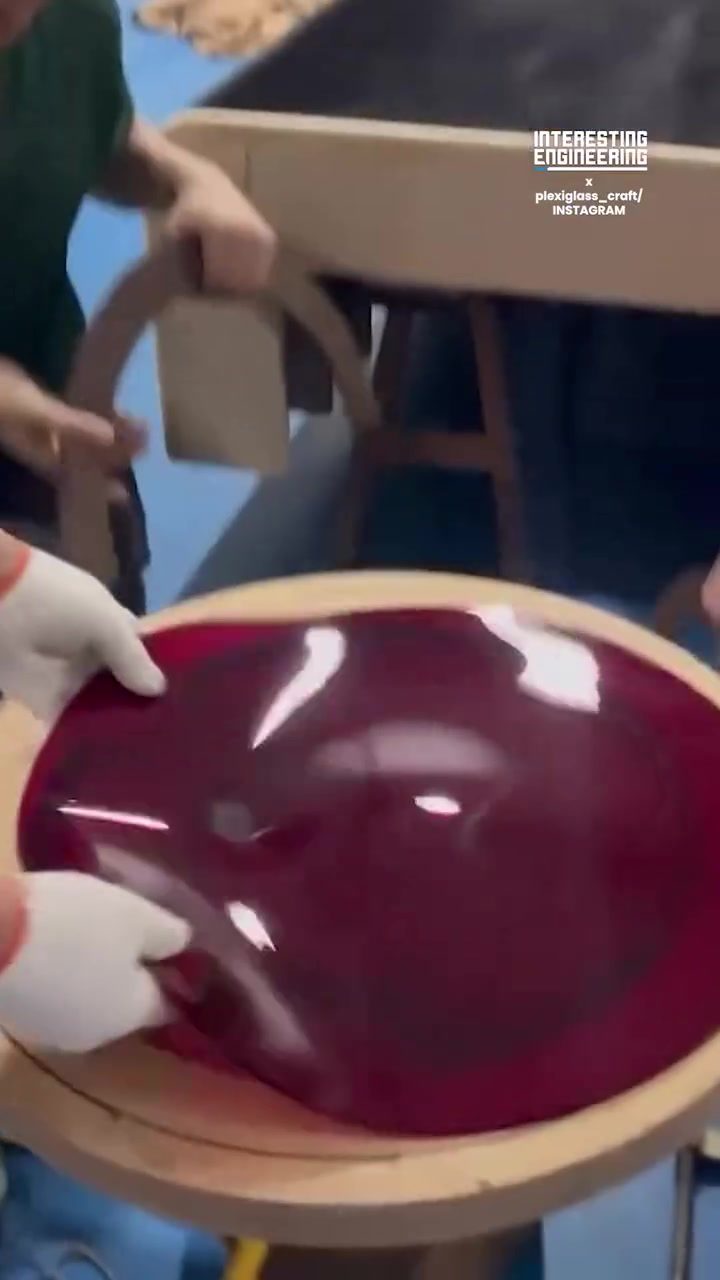
Plexiglass, a versatile and durable material, is widely used in various applications ranging from displays to lighting and decorations. Creating a large plexiglass sphere requires a meticulous process that combines heat, pressure, and precision craftsmanship. The process involves clamping and shaping a heated acrylic sheet into a perfect sphere, resulting in a transparent and lightweight acrylic dome. This intricate crafting technique is essential for producing high-quality plexiglass spheres that can be used in a variety of settings.
Context: Why Plexiglass Spheres Matter
Plexiglass spheres are not just decorative; they serve various practical purposes. Their transparent and durable nature makes them ideal for use in displays, where they can showcase products without obstructing the view. In lighting, plexiglass spheres can create unique and captivating designs that enhance the ambiance of a space. Additionally, their lightweight and sturdy construction makes them suitable for outdoor decorations, where they can withstand various weather conditions.
The process of creating a plexiglass sphere involves several key steps, each requiring a high degree of precision and craftsmanship. This ensures that the final product is not only aesthetically pleasing but also functional and durable.
Main Discussion
Materials and Equipment
The primary material used in creating a plexiglass sphere is an acrylic sheet. This sheet is heated to a malleable state, allowing it to be shaped into the desired form. Clamps and pressure are then applied to form the acrylic sheet into a half ball, which is later transformed into a full sphere. The process requires specialized equipment, including a heating element and a complex supporting frame that helps maintain the shape as the acrylic cools.
Heating and Shaping
Heating the acrylic sheet is a critical step in the process. The sheet must be heated to a specific temperature that allows it to be shaped without damaging the material. Once heated, the sheet is clamped into a mold that gives it the initial half-ball shape. This step requires precise control over the temperature and the amount of pressure applied to ensure the acrylic conforms to the mold evenly.
Pressure Forming
Pressure forming is the next crucial step in the process. The heated and clamped acrylic sheet is subjected to pressure, which helps it take the shape of the mold more precisely. This step is essential for achieving the desired form and ensuring that the sphere is symmetrical and uniform. The pressure must be applied carefully to avoid any deformities or cracks in the material.
Cooling and Polishing
After the acrylic sheet has been shaped, it is allowed to cool gradually. This controlled cooling process is important to prevent any warping or cracking of the material. Once cooled, the sphere is polished to achieve a smooth and transparent finish. Polishing involves using specialized tools and techniques to remove any imperfections and enhance the clarity of the acrylic.
Finishing Touches
The final step in creating a plexiglass sphere involves adding any necessary finishing touches, such as attaching a supporting frame. This frame is essential for maintaining the structure and stability of the sphere, especially in applications where it will be suspended or displayed. The supporting frame is designed to be discrete and unobtrusive, allowing the sphere to be the focal point.
Practical Tips
Creating a plexiglass sphere can be a challenging but rewarding process. Here are some practical tips to help achieve a successful outcome:
-
Precision in Heating: Ensure that the acrylic sheet is heated to the correct temperature. Overheating or underheating can affect the shaping process and the final quality of the sphere.
-
Accurate Molding: Use a high-quality mold that is designed to create a perfect half-ball shape. This will ensure that the sphere is symmetrical and uniform.
-
Controlled Pressure: Apply pressure evenly and carefully to avoid deformities. Use clamps that are designed for this purpose and ensure they are secure.
-
Gradual Cooling: Allow the acrylic sheet to cool gradually to prevent warping or cracking. Control the cooling process to ensure the sphere retains its shape.
-
Thorough Polishing: Polish the sphere thoroughly to achieve a smooth and transparent finish. Use specialized tools and techniques to remove any imperfections.
-
Supporting Frame: Choose a supporting frame that is sturdy and discreet. This will help maintain the stability of the sphere and allow it to be displayed effectively.
Important Takeaways
Creating a plexiglass sphere involves a combination of heat, pressure, and precision craftsmanship. The process requires specialized equipment and techniques to ensure the final product is transparent, durable, and lightweight. Here are the key takeaways:
- Heating and shaping the acrylic sheet is crucial for achieving the desired form.
- Pressure forming helps in maintaining the shape and symmetry of the sphere.
- Gradual cooling and thorough polishing are essential for a smooth and transparent finish.
- A supporting frame is important for the stability and display of the sphere.
Conclusion
Plexiglass crafting, particularly the creation of transparent spheres, is a fascinating and intricate process. By understanding the steps involved and applying the right techniques, one can create high-quality plexiglass spheres that are both aesthetically pleasing and functional. Whether used in displays, lighting, or decorations, these spheres add a touch of elegance and durability to any setting.
Watch the Reel
Questions readers ask
What are the key steps in creating a plexiglass sphere?
The key steps involve heating an acrylic sheet, clamping it into a spherical mold, and then carefully shaping it using precise techniques to form a perfect sphere.
Why is plexiglass a suitable material for crafting spheres?
Plexiglass is suitable due to its durability, transparency, and lightweight properties, which makes it ideal for a wide range of applications from displays to lighting and outdoor decorations.
What tools are typically used in the process of crafting a plexiglass sphere?
Essential tools include heating elements, clamps designed for acrylic shaping, and molds that ensure the sphere is formed accurately. Precise craftsmanship is crucial in ensuring the final product is of high quality.
How do you ensure the plexiglass sphere is perfectly spherical?
Achieving a perfect sphere involves precise control over the heating and cooling process, along with the use of specialized clamps and molds that guide the acrylic sheet into the desired shape.
Can plexiglass spheres be used outdoors?
Yes, plexiglass spheres are highly durable and weather-resistant, making them suitable for outdoor use. They are often employed in outdoor decorations and lighting, retaining their clarity and shape over time.
What are some common applications for plexiglass spheres?
Plexiglass spheres are widely used in displays, lighting fixtures, and outdoor decorations. Their transparency and durability make them versatile for both functional and aesthetic purposes.
What are some tips for beginners in shaping large plexiglass sheets?
For beginners, it's crucial to start with smaller sheets to gain experience, use the right heating tools to avoid warping, and invest in quality clamps to ensure the acrylic is properly shaped. Patience and practice are key to mastering the craft.
Recent articles
Fresh deep dives from the latest Reels we unpacked.




Comments
Be the first to comment.