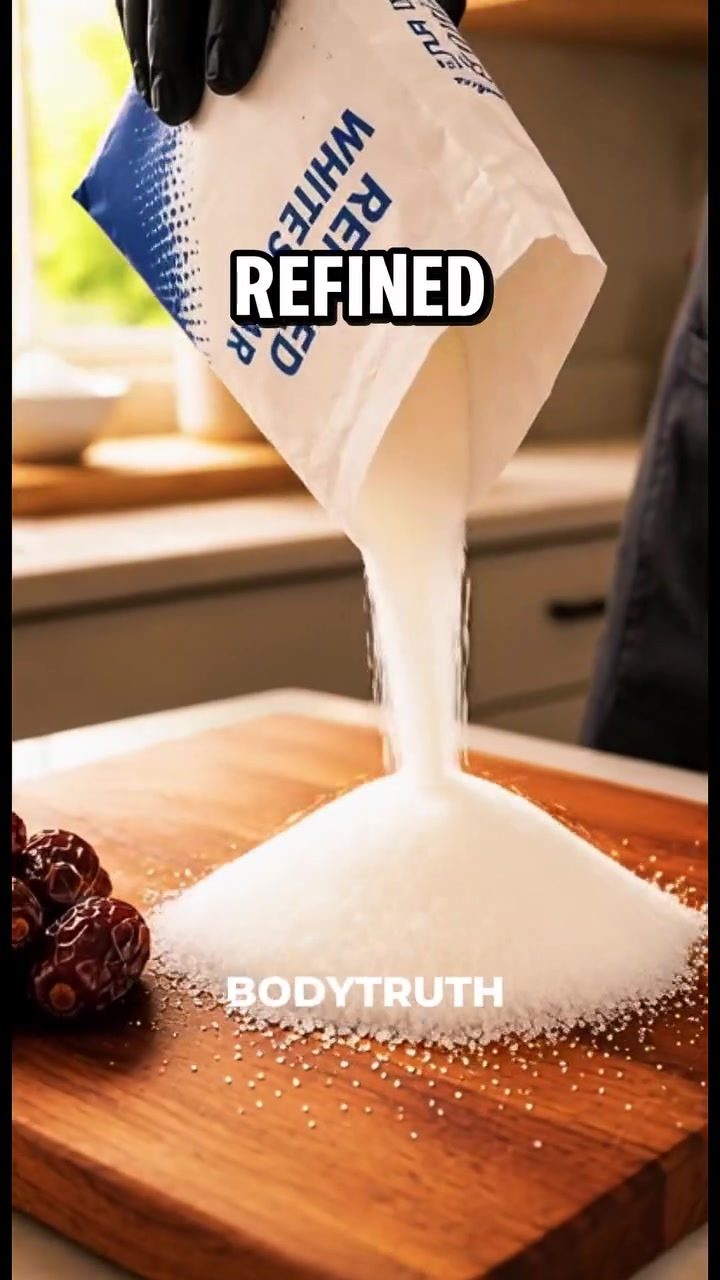
Creating a Naturally Sweet Alternative: Homemade Date Sugar
Dates, with their rich, caramel-like flavor, are an excellent base for a natural sweetener. By processing dried dates into a fine powder, you can create a healthier and more flavorful alternative to refined sugar. This homemade date sugar can be used in a variety of recipes, from baking to beverages, making it a versatile pantry staple.
Why This Matters
Refined sugar, while commonly used, offers little nutritional value and can contribute to various health issues when consumed in excess. In contrast, date sugar is made from whole dried dates, retaining all the fiber, vitamins, and minerals of the fruit. This natural sweetener provides a deeper, more complex flavor that can enhance the taste of your favorite dishes and drinks.
The Process of Making Date Sugar
Ingredients and Preparation
To make date sugar, start with 2 pounds (900 grams) of Medjool or Deglet Noor dates. These varieties are commonly available and work well for this purpose. You will also need a teaspoon of ground cinnamon and half a teaspoon of fine sea salt, both optional but add extra flavor. Make sure to remove the pits from the dates before proceeding.
Baking the Dates
The first step in creating date sugar is to preheat your oven to 170°F (75°C). Arrange the pitted dates on a parchment-lined baking tray in a single layer. Baking at a low temperature ensures that the dates dry out completely without burning. The drying process can take between 6 to 10 hours, depending on the variety and moisture content of the dates. The goal is to achieve a dry, firm texture where the dates are no longer sticky.
Blending into Powder
Once the dates are completely cooled, transfer them to a high-powered food processor or blender. Add the cinnamon and sea salt, then blend until the dates turn into a fine, sandy powder. It may be necessary to stop and scrape down the sides to ensure an even texture.
Storage
Store the finished date sugar in an airtight glass jar in a cool, dry place. Properly stored, it can last up to 6 months, ready to be used in various recipes.
Practical Tips
Choosing the Right Dates
For the best results, select high-quality, plump, and moist dates. Medjool and Deglet Noor are excellent choices due to their natural sweetness and softness. Avoid dates that are too dry or shrivelled, as they may not yield the desired texture.
Enhancing Flavor with Spices
While cinnamon and sea salt are optional, they can add an extra layer of flavor to your date sugar. Feel free to experiment with other spices like nutmeg, ginger, or vanilla extract to customize the taste to your preference.
Drying Techniques
If you prefer not to use an oven, a dehydrator can also be used to dry the dates. Set the dehydrator to 135°F (57°C) and follow the same drying process. This method can be gentler on the dates and may preserve more of their natural flavors.
Important Takeaways
Versatility in Use
Date sugar can be used in a wide range of recipes, from baking to beverages. It works exceptionally well in baked goods like oatmeal, muffins, cookies, pancakes, and granola. It can also be used to sweeten smoothies, yogurt, and coffee. The rich, caramel-like flavor of date sugar adds a unique depth to these dishes, making it a tasty and nutritious alternative to refined sugar.
Nutritional Benefits
Unlike refined sugar, date sugar retains the nutritional benefits of the whole fruit. Dates are high in fiber, which aids in digestion and helps maintain stable blood sugar levels. They also contain essential vitamins and minerals like potassium, magnesium, and iron, making date sugar a healthier choice.
Economic and Environmental Impact
Making your own date sugar can be more cost-effective in the long run, especially if you buy dates in bulk. It also reduces packaging waste, contributing to a more sustainable lifestyle.
Conclusion
Date sugar is a simple and delicious natural sweetener that can be easily made at home with just a few ingredients. By replacing refined sugar with date sugar, you can enjoy the rich, caramel-like flavor of dates while benefiting from their nutritional advantages. Whether you're a seasoned baker or just looking to sweeten your morning coffee, date sugar is a versatile and healthier option to consider.
Watch the Reel
Questions readers ask
What are the key benefits of using homemade date sugar over refined sugar?
Homemade date sugar retains the fiber, vitamins, and minerals of whole dried dates, unlike refined sugar that offers little nutritional value. It also provides a more complex, caramel-like flavor that can enhance the taste of your dishes. Additionally, date sugar is less processed, which can help reduce negative health impacts.
Can I substitute date sugar for refined sugar in all recipes?
While date sugar can be used in many recipes, it's important to note that it may have a slightly different texture and a more pronounced flavor. It works well in baked goods, but it may not be suitable for all recipes. For a more consistent texture, you can try mixing date sugar with other natural sweeteners or using it in recipes that don't require a fine sugar texture.
How can I make date sugar from dried dates?
To make date sugar, start with whole, pitted dried dates. Remove any pits and stems, then process the dates in a food processor or blender until you achieve a fine powder. Be patient, as this process can take several minutes. Store the date powder in an airtight container until you're ready to use it.
Can I dry fresh dates to make date sugar?
Yes, you can dry fresh dates to make date sugar. First, dry the fresh dates either in the oven, a dehydrator, or in the sun. Check the dates for dryness and then process them in a food processor until you have a fine powder. The drying process will depend on factors like humidity and the type of dates.
What is the typical ingredient ratio when using date sugar in baking?
When substituting date sugar for refined sugar in baking, a 1:1 ratio is a good starting point. However, due to the differences in sweetness and texture, you may need to adjust the ratio slightly. Keep in mind that date sugar may absorb more liquid, so you might need to tweak the liquid ingredients in your recipe as well.
Recent articles
Fresh deep dives from the latest Reels we unpacked.




Comments
Be the first to comment.