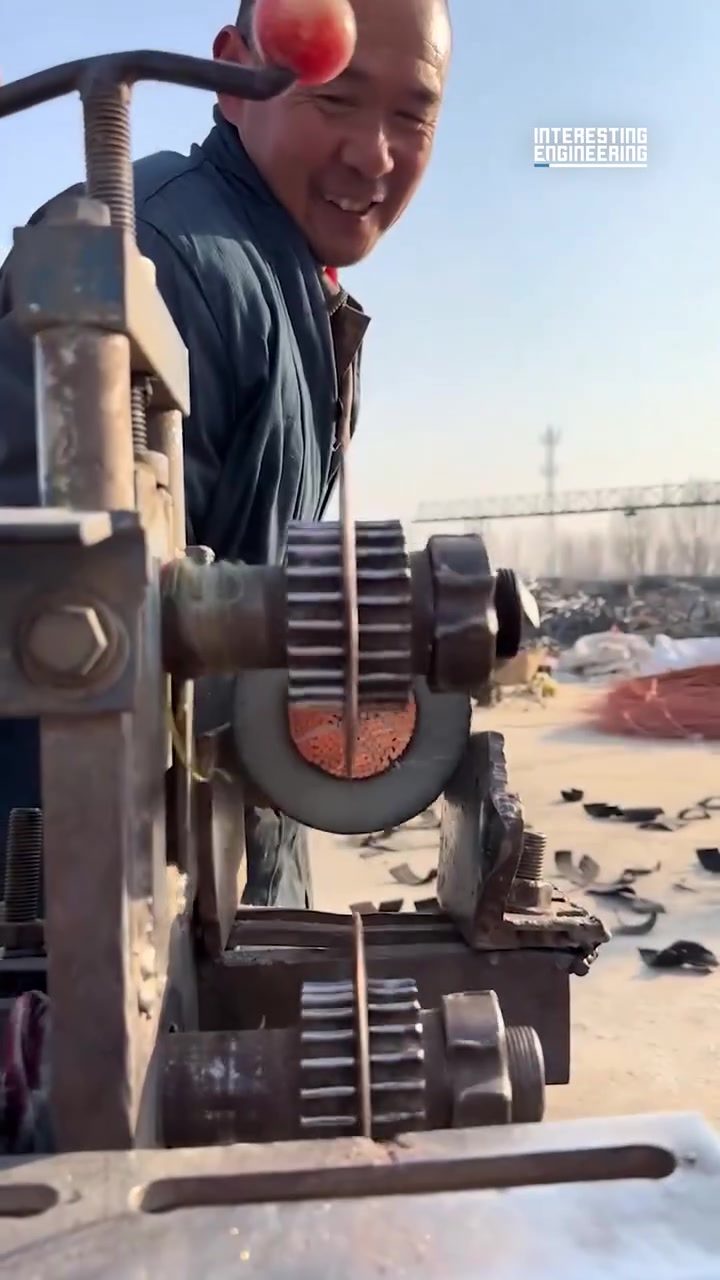
Gearing Up: The Art of Crafting Gear Mechanisms
Cables, especially old ones, are packed with valuable materials like copper, which can be recycled and repurposed. Heavy-duty saws come in handy for workers to split these cables open and extract the copper inside. However, another intricate process that involves these valuable metal components is the construction of gear mechanisms. These mechanisms are pivotal in various engineering applications, from mechanical watches to industrial machinery.
Why Gear Mechanisms Matter
Gear mechanisms are the backbone of countless devices and systems. They convert rotational motion into linear motion, or vice versa, and can change the speed, direction, and torque of that motion. Understanding how to construct these mechanisms is crucial for engineers and hobbyists alike, as it opens up a world of possibilities for building and repairing machinery.
Understanding Gear Mechanism Construction
The Role of Precision
One of the most critical aspects of gear mechanism construction is precision. Even the smallest deviation in the alignment or size of the gears can lead to inefficiencies or failures in the system. This is evident in the meticulous arrangement of small components, such as metal beads or fasteners, within a circular mold. Each component must be perfectly placed to ensure the gear mechanism functions correctly.
The Intricacy of the Process
The process of building a gear mechanism involves several steps. Firstly, the small components are carefully arranged within a mold. This mold serves as a guide, ensuring that the components are placed in the correct positions. Once the components are in place, they are secured, often using a bonding agent or through mechanical means. The mechanism is then assembled, showcasing the intricate process of building a functional gear system.
The Use of a Mold
The use of a mold is a common practice in gear mechanism construction. The mold acts as a template, ensuring that the gears are uniformly spaced and aligned. This is particularly important in complex mechanisms where multiple gears must work together seamlessly. The mold also helps maintain the precision required for optimal performance.
The Assembly Process
The assembly process is where the precision and intricacy of the initial steps come together. Each gear is carefully fitted into place, ensuring that it meshes correctly with the adjacent gears. This step requires a high level of skill and patience, as even the smallest mistake can cause the entire mechanism to fail.
Practical Tips for Building Gear Mechanisms
Invest in Quality Tools
Building gear mechanisms requires a range of tools, from precision saws to tweezers. Investing in high-quality tools can make the process easier and more accurate. Ensure that your tools are well-maintained and calibrated to avoid any discrepancies in your measurements.
Work in a Clean Environment
Dust and debris can significantly affect the precision of your work. Ensure that your workspace is clean and free from any contaminants. Consider using a dust cover or working in a controlled environment to minimize the risk of interference.
Take Your Time
Rushing through the construction process can lead to mistakes. Take your time to ensure that each component is correctly placed and aligned. Precision is key in gear mechanism construction, and rushing can compromise the integrity of your work.
Practice Makes Perfect
Like any skill, constructing gear mechanisms improves with practice. Don't be discouraged if your first few attempts aren't perfect. Keep practicing and refining your technique, and you'll soon be able to build complex mechanisms with ease.
Important Takeaways
Gear mechanisms are essential components in various engineering applications. Their construction involves a high level of precision and intricacy, requiring careful arrangement and assembly of components. The process can be broken down into several steps, from the initial placement of components within a mold to the final assembly.
Conclusion
The construction of gear mechanisms is a fascinating and intricate process. It highlights the precision and skill required in mechanical engineering. From arranging small components within a mold to assembling the final mechanism, each step is crucial for ensuring the functionality and efficiency of the system. Whether you're an engineer, a hobbyist, or simply curious about the intricacies of mechanical systems, understanding the process of gear mechanism construction can be both enlightening and rewarding.
Watch the Reel
Questions readers ask
What are the primary functions of gear mechanisms in engineering?
Gear mechanisms serve several key functions in engineering. They convert rotational motion into linear motion and vice versa, allowing for diverse applications. Additionally, they can alter the speed, direction, and torque of motion, making them indispensable in various devices and systems.
What are some common applications of gear mechanisms?
Gear mechanisms are used in a wide range of applications, including mechanical watches, where precision is paramount, and industrial machinery, where heavy-duty gears are essential. They are also found in automotive systems, robotics, and various other engineering fields.
What materials are typically used in the construction of gear mechanisms?
Gear mechanisms are often constructed using metals, particularly copper and steel, due to their durability and resistance to wear. Other materials, such as brass and ceramics, may also be used depending on the specific requirements of the application.
What are the steps involved in the precision engineering of gear mechanisms?
The construction of gear mechanisms involves several precise steps, including designing the gear profile, selecting the appropriate materials, machining the components with high accuracy, and assembling the gears to ensure smooth operation. Each step requires meticulous attention to detail to achieve the desired performance.
How do gear mechanisms convert rotational motion to linear motion?
Gear mechanisms convert rotational motion to linear motion through the use of specific gear types, such as rack and pinion systems. In these systems, a circular gear (pinion) engages with a linear gear (rack), translating the rotational motion of the pinion into the linear motion of the rack.
What tools are essential for constructing gear mechanisms?
Constructing gear mechanisms requires a variety of precision tools, including heavy-duty saws for cutting materials, lathes and milling machines for shaping components, and specialized gear-cutting tools. Accurate measuring instruments are also crucial for ensuring the precision of the final product.
What factors should be considered when designing gear mechanism systems?
When designing gear mechanism systems, it is essential to consider factors such as the required speed and torque, the direction of motion, and the specific application's environmental conditions. Additionally, the selection of materials and the precision of manufacturing processes play a crucial role in the overall performance and longevity of the system.
Related deep dives
Similar reads based on topic and creator.

Recent articles
Fresh deep dives from the latest Reels we unpacked.




Comments
Be the first to comment.