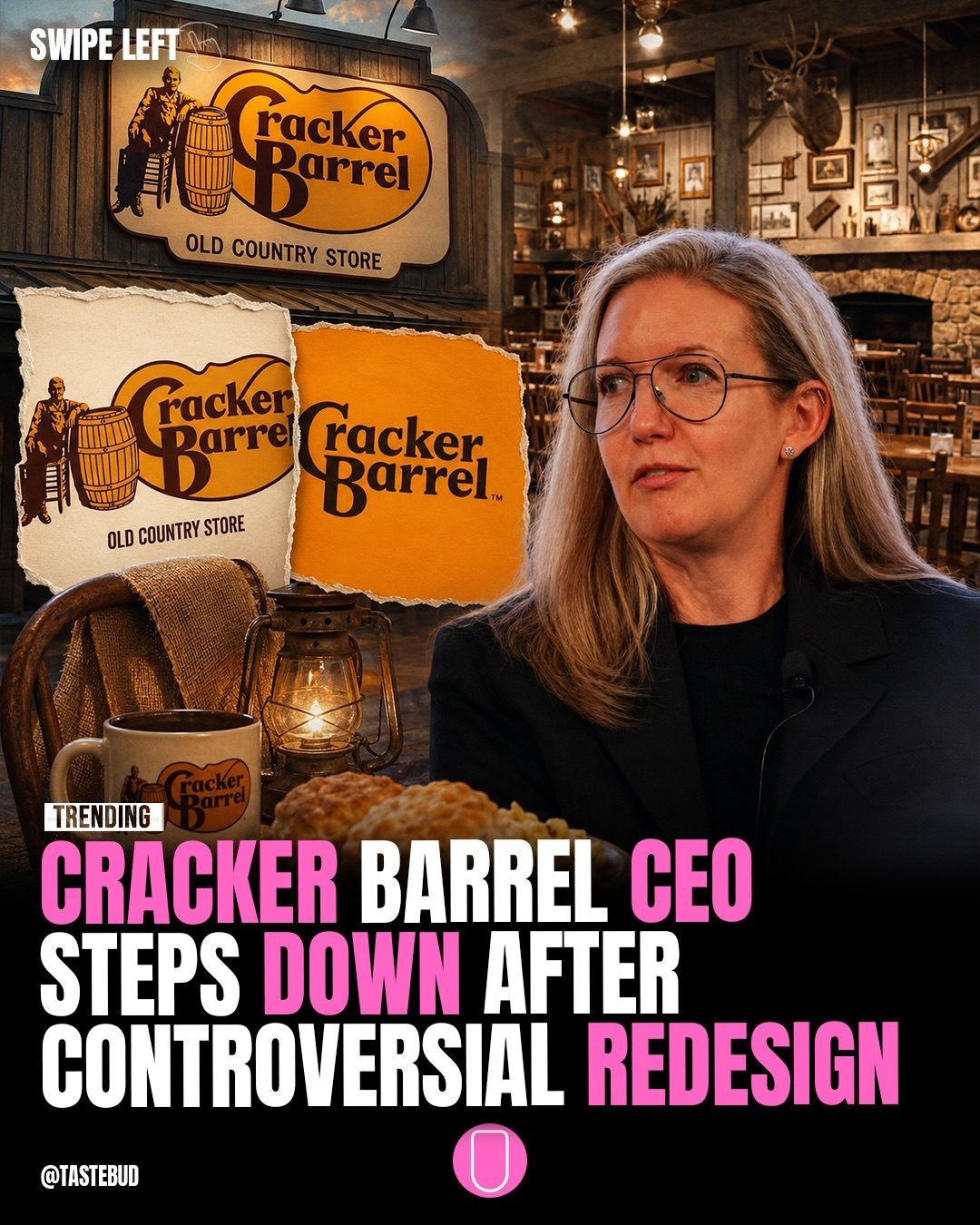
Cracker Barrel CEO Resignation
The resignation of Cracker Barrel's CEO has sparked significant interest among long-time customers and food enthusiasts. The departure follows a controversial rebranding effort that aimed to modernize the classic restaurant chain, but ultimately led to a significant backlash from devoted patrons. This shift involved removing the brand's classic look and feel, replacing it with a more contemporary design. However, many fans felt that the changes stripped the chain of its nostalgic identity that has endeared it to generations of customers.
Context / Why this matters
Cracker Barrel, known for its home-style cooking and country store aesthetic, has been a staple in American dining for decades. The chain's unique blend of comfort food and retail offerings has created a loyal customer base that values the nostalgic experience. When the rebranding effort was announced, it was met with mixed reactions. While some welcomed the modern updates, many others felt that the changes were a betrayal of the brand's heritage. This backlash has led to a significant shift in the company's strategy, as it begins to reverse some of the changes and find a balance between modern and traditional elements.
Main Discussion
The Rebranding Effort
The rebranding effort was part of a broader strategy to attract a younger demographic and revitalize the brand. The changes included updating the restaurant's decor, menu, and overall aesthetic to feel more modern and contemporary. However, many longtime customers felt that these changes undermined the very qualities that made Cracker Barrel special. The classic, rustic charm that had been a hallmark of the brand was replaced with a more sterile, modern look that many saw as a betrayal of the brand's roots.
Customer Backlash
The backlash from customers was swift and vocal. Social media platforms were flooded with comments and posts from dissatisfied patrons who expressed their disappointment and frustration. Many customers felt that the new design lacked the warmth and familiarity of the original decor. The nostalgic elements, such as the vintage decor and classic dishes, were seen as integral to the overall Cracker Barrel experience. Some customers even threatened to boycott the restaurant, citing the loss of the brand's unique identity as a significant concern.
Company Response
In response to the customer backlash, Cracker Barrel took steps to reverse some of the changes. The company began to reintroduce elements of the original design, restoring the classic look and feel that customers had grown to love. This move was seen as a concession to the loyal customer base, who had made it clear that they valued the nostalgic aspects of the brand.
The resignation of the CEO is a significant step in this process. With new leadership, the company aims to find a balance between modern and traditional elements, ensuring that the brand remains relevant to new customers while retaining its nostalgic appeal to longtime patrons.
The Road Ahead
As Cracker Barrel navigates this challenging transition, it faces the task of redefining its brand identity. The company must find a way to appeal to both new and existing customers, balancing the need for modern updates with the preservation of its classic charm. This delicate balance is crucial for maintaining customer loyalty and attracting new patrons.
Practical Tips
For any company considering a significant rebranding effort, the experience of Cracker Barrel offers valuable lessons. Here are some practical tips to keep in mind:
-
Involve Customers Early: Engage with your customer base early in the rebranding process. Listen to their feedback and incorporate their input into your decisions. This can help to build a sense of ownership and loyalty among customers.
-
Maintain Key Elements: Identify the key elements of your brand that resonate most with customers and ensure they are preserved. These elements often form the foundation of your brand identity and are crucial for maintaining customer loyalty.
-
Communicate Clearly: Be transparent about your rebranding efforts and communicate clearly with customers about the changes. Explain why the changes are necessary and how they will benefit both the company and the customers.
Important Takeaways
The resignation of Cracker Barrel's CEO underscores the importance of maintaining a balance between innovation and tradition. While modern updates can be necessary for staying relevant, they must be implemented in a way that respects and preserves the core elements of the brand that customers value most. Companies must be mindful of the delicate balance between appealing to new demographics and retaining the loyalty of long-time customers.
Conclusion
The departure of Cracker Barrel's CEO marks a pivotal moment in the company's history. As it navigates the challenges of rebranding and customer expectations, the lessons learned from this experience will be invaluable. For Cracker Barrel and other companies facing similar challenges, the key takeaway is the importance of finding a harmonious balance between modern and traditional elements. This approach ensures that the brand remains relevant while preserving the qualities that have endeared it to generations of customers.
Watch the Reel
Questions readers ask
Why did Cracker Barrel's CEO resign?
Cracker Barrel's CEO stepped down following a significant backlash from loyal customers who were dissatisfied with the chain's attempt to modernize its classic, nostalgic aesthetic. The rebranding effort, which aimed to attract a younger crowd, was perceived by many as a betrayal of the chain's traditional, home-style appeal.
What changes were made during the Cracker Barrel rebranding effort?
The rebranding effort involved removing Cracker Barrel's classic look and feel, replacing it with a more contemporary design. This included updates to the restaurant's decor, menu, and overall aesthetic to appeal to a younger demographic.
How did loyal customers respond to the Cracker Barrel rebranding?
Loyal customers responded with intense backlash, expressing their dissatisfaction through social media, online reviews, and direct feedback. Many felt that the changes stripped the chain of its nostalgic identity and traditional appeal, which has endeared it to generations of customers.
What was the goal of Cracker Barrel's modernization efforts?
The primary goal was to attract a younger crowd by updating the chain's classic, nostalgic aesthetic. The hope was to revitalize the brand and draw in new customers while retaining its core demographic.
What impact did the rebranding have on Cracker Barrel's customer base?
The rebranding led to a significant backlash among long-time customers who felt it betrayed the chain's traditional, home-style appeal. Many customers expressed their frustration and disappointment, leading to a decrease in customer satisfaction and potential loss of business.
Will Cracker Barrel revert to its original aesthetic?
As of now, there is no official statement from Cracker Barrel regarding a full reversion to its original aesthetic. The chain may consider feedback from customers and make adjustments accordingly, but specifics are unclear.
What does the future hold for Cracker Barrel under new leadership?
Under new leadership, Cracker Barrel may choose to reevaluate its branding strategy and consider the desires of its loyal customer base. The future will likely involve a balance between honoring the chain's nostalgic roots and appealing to a broader audience.
Related deep dives
Similar reads based on topic and creator.


Recent articles
Fresh deep dives from the latest Reels we unpacked.




Comments
Be the first to comment.