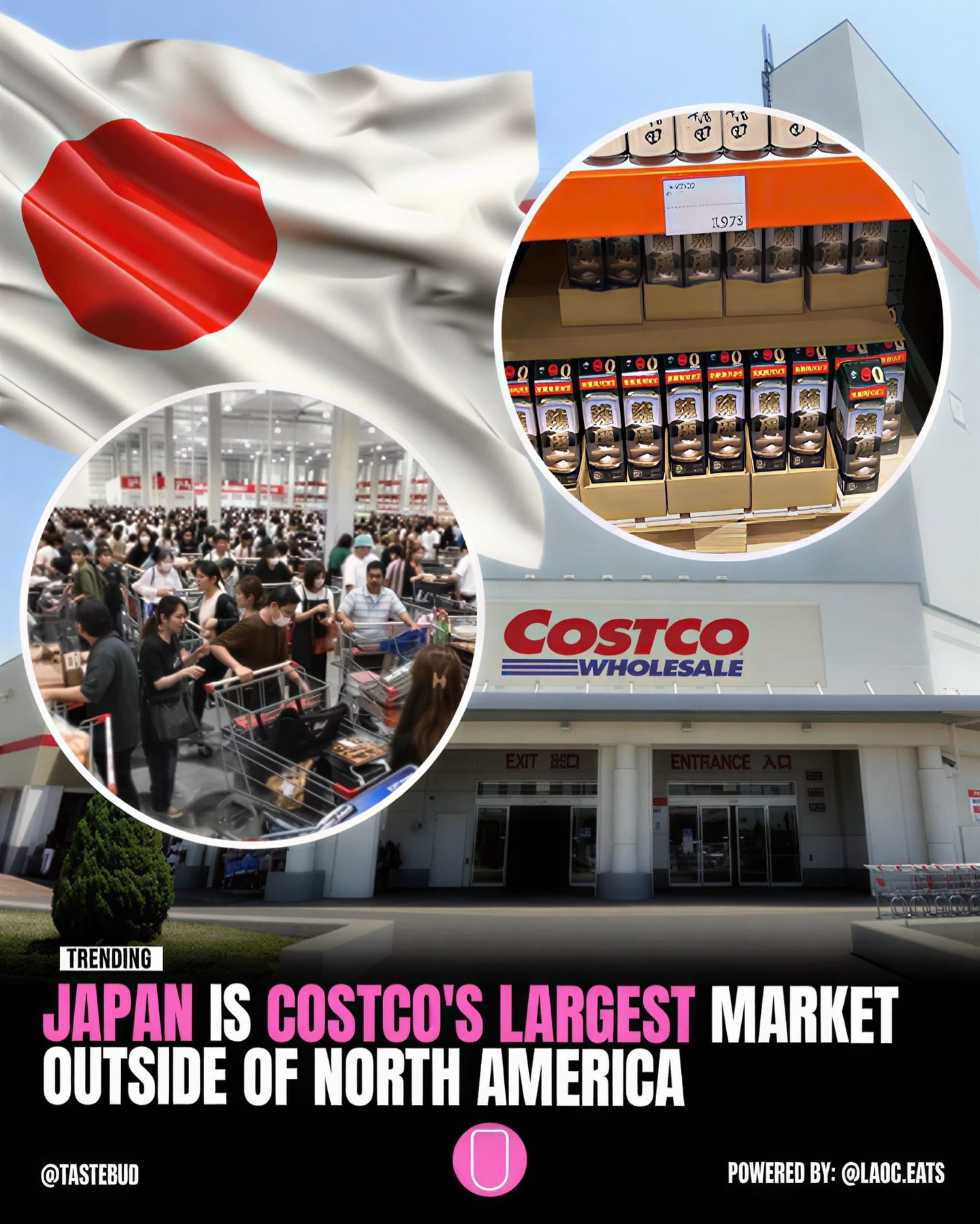
Costco Opens Its Largest International Market in Japan
Costco's expansion into Japan represents a significant milestone for the retail giant. By successfully adapting its business model to fit the unique preferences and spatial constraints of the Japanese market, Costco has emerged as a formidable player in one of the world's most competitive retail environments. This achievement underscores the importance of cultural adaptation and strategic localization in global retail expansion.
Why This Matters
Japan's retail market is notoriously challenging to penetrate, with intense competition, stringent regulations, and a consumer base that values local products. By successfully navigating these obstacles, Costco has demonstrated its ability to compete on a global scale. This success story offers valuable insights into how international retailers can adapt and thrive in diverse markets.
Strategies for Success in Japan
Adaptation of Store Design
Costco's store design in Japan has been meticulously adapted to suit local preferences and spatial constraints. Unlike its larger North American counterparts, Costco Japan stores are more compact, optimized to accommodate the smaller storefronts and parking spaces that are common in Japan. This adaptation ensures that the store remains accessible and convenient for local shoppers.
Localized Product Selection
Product selection in Costco Japan is carefully curated to cater to local tastes and cultural preferences. In addition to a wide range of international brands, the store offers a variety of locally sourced products, including fresh produce, seafood, and packaged goods. This balanced approach allows the store to retain its global appeal while also addressing the specific needs of the local market.
Optimizing Layout and Navigation
The layout of Costco Japan stores is designed to maximize efficiency and ease of use. The aisles are narrower, and the product displays are optimized to fit the smaller space. This streamlined design helps shoppers navigate the store more easily, reducing the time and effort required to find items. The layout also includes strategic placement of popular items and seasonal products, enhancing the shopping experience.
Balancing Global and Local Branding
Costco effectively balances its global brand identity with local relevance. While retaining the iconic Costco logo and brand colors, the stores incorporate local design elements and promotional materials that resonate with Japanese consumers. This dual approach ensures that the store feels both familiar and unique, appealing to a broad range of shoppers.
Promotional and Marketing Tactics
Costco Japan employs a variety of promotional and marketing tactics to attract and engage local customers. Special events, seasonal promotions, and member-exclusive offers are frequently used to create excitement and drive foot traffic. The store also leverages digital marketing channels, including social media and email newsletters, to keep customers informed about the latest deals and product offerings.
Community Engagement
Community engagement is a key pillar of Costco's strategy in Japan. The company actively participates in local events and initiatives, fostering a strong connection with the community. This engagement not only enhances the store's reputation but also generates goodwill and loyalty among local residents.
Practical Tips for Retailers Entering the Japanese Market
Retailers looking to enter the Japanese market can learn a lot from Costco's strategy:
-
Conduct Thorough Market Research: Understand local preferences, regulations, and consumer behavior before entering the market. Tailor your product offerings and marketing strategies accordingly.
-
Adapt Store Design: Optimize store layouts and product displays to fit the smaller spaces typical in Japan. Make sure your store is accessible and easy to navigate.
-
Focus on Quality and Value: Japanese consumers place a high value on quality and value for money. Ensure that your products meet these expectations to build a loyal customer base.
-
Leverage Local Partnerships: Collaborate with local suppliers and distributors to source products and gain market insights. These partnerships can provide valuable local knowledge and support.
-
Embrace Digital Marketing: Utilize digital marketing channels to reach a wider audience and keep customers informed about promotions and new products.
-
Engage with the Community: Participate in local events and initiatives to foster goodwill and build a strong connection with the community. This can enhance your brand's reputation and generate customer loyalty.
Important Takeaways
Costco's successful entry into the Japanese market highlights the importance of cultural adaptation and strategic localization. By tailoring their store design, product selection, and marketing tactics to meet local preferences, Costco has established a strong presence in one of the world's most competitive retail environments. This success offers valuable lessons for retailers looking to expand into new markets, emphasizing the need for thorough market research, adaptability, and a strong focus on customer value.
Conclusion
Costco's expansion into Japan serves as a compelling case study for international retailers. The company's ability to adapt its global model to the unique needs and preferences of the Japanese market has positioned it as a leader in the country's retail landscape. By learning from Costco's strategies, retailers can navigate the complexities of entering new markets and achieve long-term success.
Watch the Reel
Questions readers ask
What prompted Costco to open its largest international market outside North America in Japan?
Costco was drawn to Japan due to its large consumer base and the challenge of its competitive retail market. By opening its largest international market in Japan, Costco aimed to demonstrate its global retail prowess and adaptability.
How has Costco tailored its store design for the Japanese market?
Costco has optimized its store design in Japan to accommodate the spatial constraints and consumer preferences specific to the region. This includes adjusting store layouts to fit smaller spaces and incorporating features that cater to Japanese shopping habits.
What are some unique challenges of the Japanese retail market that Costco had to navigate?
The Japanese retail market is highly competitive with intense rivalry among established local players. Additionally, there are stringent regulations and a strong consumer preference for local products. Costco had to strategically adapt to these factors to gain a foothold.
How has Costco adapted its product selection for Japanese consumers?
Costco has curated its product offerings in Japan to include items that resonate with local tastes and preferences. This involves stocking popular Japanese brands and products, as well as introducing international items that appeal to the Japanese market.
What role does cultural sensitivity play in Costco’s success in Japan?
Cultural sensitivity is crucial for Costco's success in Japan. By understanding and respecting local customs, preferences, and shopping behaviors, Costco has been able to create a retail experience that appeals to Japanese consumers, which helps it compete effectively.
Why is the success of Costco in Japan important for its global strategy?
Japan's retail market is one of the most challenging in the world. By succeeding in Japan, Costco has proven its ability to adapt and thrive in diverse global markets, which strengthens its position as a leader in international retail expansion.
How has Costco’s localization strategy contributed to its Japanese market success?
Costco’s localization strategy involves tailoring its business model, store design, and product selection to meet the specific needs and preferences of Japanese consumers. This approach has enabled Costco to compete effectively in a highly competitive and regulated market.
Related deep dives
Similar reads based on topic and creator.


Recent articles
Fresh deep dives from the latest Reels we unpacked.




Comments
Be the first to comment.