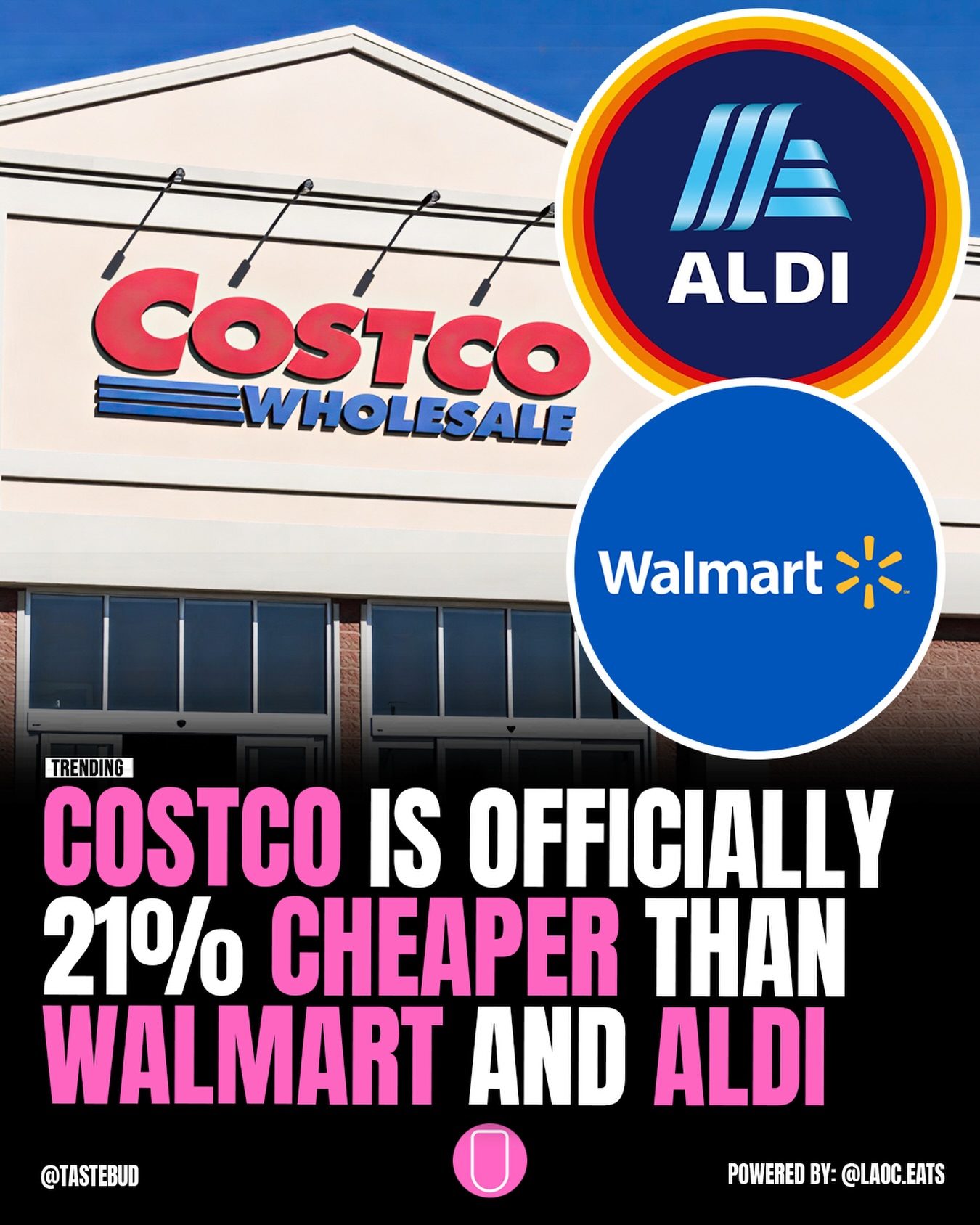
Grocery Price Comparison: Where to Shop to Save Money
Grocery shopping is a necessary part of life, but the cost can vary widely depending on where you shop. A recent analysis by Consumer Reports found that the same items can cost over 30% more at one store compared to another. Understanding these price differences can help you make informed decisions and potentially save thousands of dollars each year.
Why This Matters
Grocery shopping is a significant expense for many households. By choosing the right store, you can significantly reduce your annual spending. This comparison focuses on major retailers, helping you identify which stores offer the best deals on common grocery items.
Main Discussion
Warehouse Clubs: Costco and BJ’s
Warehouse clubs like Costco and BJ’s often top the list when it comes to affordability. These clubs typically offer bulk purchases, which can be more economical for families and individuals who consume large quantities of certain items. Costco, in particular, is known for its competitive pricing, often around 20% lower than big-box retailers like Walmart. This makes it a go-to option for those looking to save on groceries. ALDI and Lidl also consistently rank as budget friendly stores, offering lower prices by focusing on a smaller product selection and streamlined operations.
Big-Box Retailers: Walmart
Walmart is a household name for grocery shopping, offering a wide range of products at relatively low prices. However, compared to warehouse clubs and some discount chains, Walmart's prices can be significantly higher. While it remains a popular choice for convenience and variety, shoppers looking to maximize savings might find better deals elsewhere.
Discount Chains: Aldi and Lidl
Discount chains like Aldi and Lidl are known for their low prices, often achieved through simplified store layouts and private-label products. These stores can be a great option for saving money, especially on staples and everyday items. While they may lack the variety of larger retailers, their prices are consistently competitive.
Specialty Stores: Whole Foods and Trader Joe’s
Stoes like Whole Foods and Trader Joe’s often cater to a more niche market, focusing on organic, specialty, and unique products. This specialty focus often comes at a premium, making these stores some of the most expensive options for grocery shopping. However, they can be worth the extra cost for consumers who prioritize specific dietary needs or high-quality products.
Practical Tips for Savings
- Plan Your Meals: Meal planning can help you create a focused grocery list, reducing the likelihood of impulse buys and ensuring you purchase only what you need.
- Use Price Comparison Apps: There are numerous apps and websites that help you compare prices across different stores, making it easier to find the best deals.
- Buy in Bulk: If you have the storage space, buying in bulk can save you money in the long run. Warehouse clubs like Costco and BJ’s are ideal for this strategy.
- Choose Store Brands: Many stores offer their own brands, which are often cheaper than name-brand products. These can be just as good in terms of quality and taste.
- Check Weekly Sales and Coupons: Keep an eye on weekly sales flyers and use coupons to maximize your savings. Some stores even offer loyalty programs that provide additional discounts and rewards.
Important Takeaways
Choosing the right store can significantly impact your grocery bill. Warehouse clubs and discount chains generally offer the best deals, while specialty stores tend to be more expensive. By planning your shopping trips, using price comparison tools, and taking advantage of sales and coupons, you can save a considerable amount of money each year. Understanding the pricing strategies of different stores and aligning your shopping habits accordingly can lead to substantial savings without compromising on quality.
Conclusion
In today’s economy, every dollar counts. Knowing where to shop for groceries can make a significant difference in your budget. Whether you opt for the bulk buying power of warehouse clubs, the variety of big-box retailers, the simplicity of discount chains, or the specialty offerings of niche stores, making informed choices can lead to substantial savings. By keeping these insights in mind, you can navigate the grocery landscape more effectively and ensure that your hard-earned money goes further.
Watch the Reel
Questions readers ask
Why should I compare grocery prices at different stores?
Comparing grocery prices at different stores can help you identify where to find the best deals on common items, allowing you to save 20-30% per year. Focus on major retailers like Costco, Walmart, and Aldi for significant savings.
Which store offers the lowest prices on groceries overall?
Aldi generally offers the lowest prices on groceries, but Costco can provide better value for bulk purchases. Walmart typically falls in the middle, with prices that are often lower than traditional supermarkets but not as low as Aldi.
How can I maximize my savings at Costco?
To maximize savings at Costco, consider buying in bulk, focusing on items with a long shelf life, and taking advantage of their Kirkland Signature brand products, which are often the best deal.
What are the benefits of shopping for groceries at Aldi?
Shopping at Aldi can help you save on groceries with their low prices. However, Aldi stores have limited selections, and their brands might be unfamiliar. Also, Aldi may lack variety in certain items, such as organic or specialty products.
Is a Costco membership worth it for grocery shopping?
A Costco membership can be worth it if you regularly buy in bulk and have the storage space. Members often find significant savings on groceries, especially on Costco's Kirkland Signature brand products. However, consider your shopping habits to ensure it fits your needs.
What are some tips for saving money on groceries at Walmart?
To save money on groceries at Walmart, use their app for digital coupons, shop their Great Value brand for lower prices, and take advantage of their rollback prices. Also, consider buying in bulk where applicable, and use their price match guarantee.
Related deep dives
Similar reads based on topic and creator.

Recent articles
Fresh deep dives from the latest Reels we unpacked.



Comments
Be the first to comment.