Copper Wire Processing: A Look into Industrial Metal Handling
Copper wire processing is a critical component of industrial metal handling, essential for various applications. This article delves into the technique, its significance, and the machinery involved, providing a comprehensive overview of the process.
Context: Why Processing Copper Wire Matters
Copper wire is ubiquitous in our daily lives, used in everything from electrical wiring to telecommunications and electronics. The efficiency and effectiveness of processing copper wire directly impact the quality and reliability of these products. Understanding the processing techniques and machinery involved is crucial for anyone in the metal or electronics industry.
Copper Wire Processing: Technique and Machinery
The Importance of Efficient Processing
Efficient copper wire processing is vital for maintaining a steady workflow in industrial settings. The process involves several steps, from sorting and separating the wire to preparing it for use in various applications. The quality of the processing directly affects the performance and durability of the final products.
The Role of Machinery
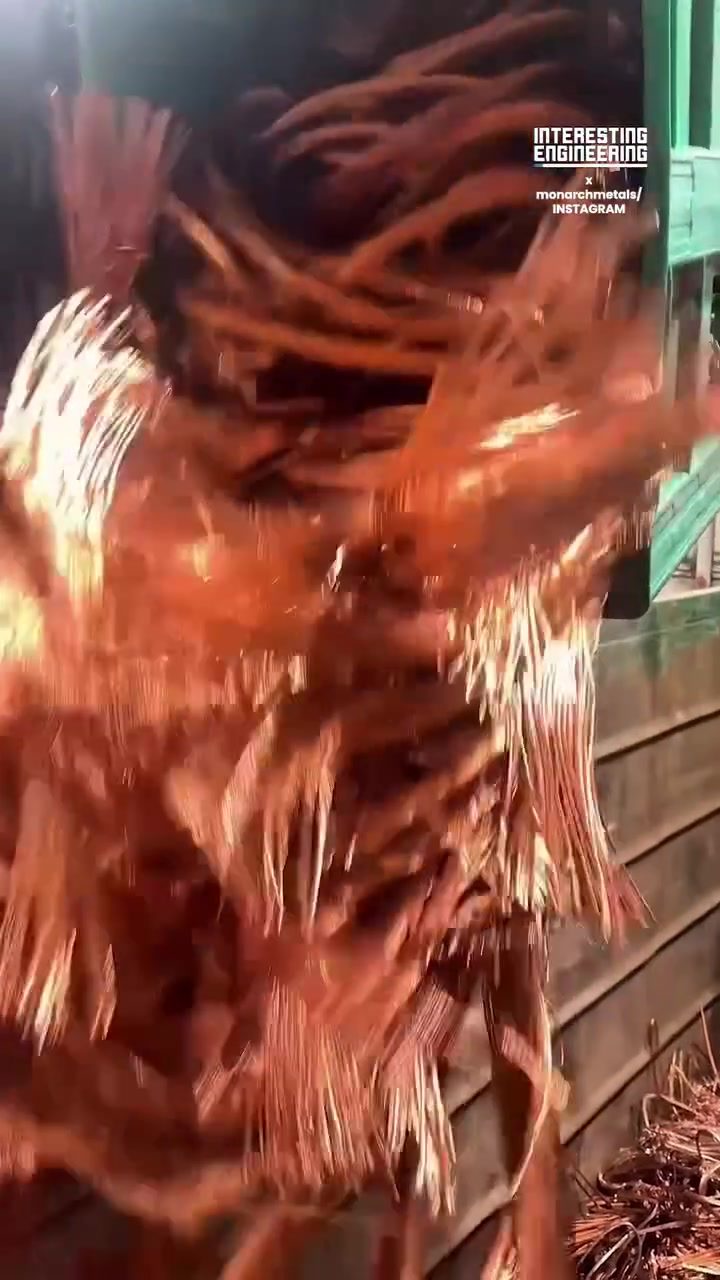
Machinery plays a pivotal role in copper wire processing. The machines are designed to handle large volumes of wire, ensuring consistency and precision in the processing. The metal processing machine, as showcased, demonstrates a high level of efficiency and reliability.
How the Process Works
The process typically begins with feeding the copper wire into a machine. The machine then separates or sorts the wire strands, ensuring they are neatly arranged and ready for the next stage of production. The machine releases a full coil of bright wire, which is then lifted away, maintaining a steady workflow. This ensures that the wire is processed efficiently, reducing downtime and increasing productivity.
Sorting and Separating
Sorting and separating the wire strands is a critical step in the processing. The machinery is equipped with advanced sensors and mechanisms that can differentiate between various types of wire based on their properties. This ensures that the final product meets the required specifications and standards.
Safety and Maintenance
Safety is a paramount concern in metal processing. The machinery is designed with safety features to protect workers from potential hazards. Regular maintenance is also crucial to ensure the machinery operates smoothly and efficiently, reducing the risk of breakdowns and minimizing downtime.
Practical Tips for Copper Wire Processing
- Regular Maintenance: Ensure that the processing machinery is regularly maintained to avoid breakdowns and maintain efficiency.
- Quality Check: Conduct regular quality checks on the processed wire to ensure it meets the required standards and specifications.
- Training: Provide adequate training to workers on handling the machinery and following safety protocols to avoid accidents and ensure smooth operations.
Important Takeaways
- Efficiency: Efficient copper wire processing is essential for maintaining a steady workflow and producing high-quality products.
- Machinery: The role of machinery in processing copper wire cannot be overstated. Advanced machinery ensures precision and consistency in the processing.
- Safety: Safety features and regular maintenance are crucial to ensure the smooth and safe operation of the machinery.
Conclusion
Copper wire processing is a complex but essential aspect of industrial metal handling. Understanding the techniques, machinery, and safety protocols involved can significantly enhance the efficiency and reliability of the process. Advances in machinery and technology continue to improve the speed and accuracy of copper wire processing, making it a vital component of modern industrial operations.
Watch the Reel
Questions readers ask
What are the key steps involved in copper wire processing?
Copper wire processing typically includes several key steps: drawing, annealing, stranding, and insulating. Drawing involves pulling the wire through a series of dies to reduce its diameter. Annealing softens the wire to make it more workable. Stranding combines multiple wires to form a larger, more flexible wire. Finally, insulating adds a protective layer around the wire to prevent electrical shorts and increase durability.
Why is it important to use specialized machinery in copper wire processing?
Specialized machinery ensures that the processing of copper wire is both consistent and efficient. These machines are designed to handle the precise requirements of each step in the process, from drawing to insulating. This consistency is vital for maintaining the quality and reliability of the final product, which is especially important in industries like electronics and telecommunications.
How does copper wire processing impact the quality of electronic products?
Copper wire processing directly influences the quality and performance of electronic products. The precision and efficiency of the processing steps determine the reliability of the wires used in electronics. High-quality processing ensures that the wires can withstand electrical loads, resist corrosion, and maintain their performance over time, which is crucial for the longevity and dependability of electronic devices.
What types of machinery are commonly used in copper wire processing?
Common machinery used in copper wire processing includes wire drawing machines, annealing furnaces, stranding machines, and insulating equipment. Each type of machinery serves a specific function in the overall process, from reducing the wire's diameter to adding insulation. These machines work together to ensure that the copper wire meets the required standards for quality and performance.
What is the role of copper coil processing in industrial metal handling?
Copper coil processing is a specialized area within industrial metal handling that involves transforming copper wire into coils, which are then used in various applications, from electrical motors to transformers. This process ensures that the copper wire is in the correct shape and size for its intended use, which is essential for maintaining the efficiency and reliability of the final product.
How does copper wire processing maintain reliability in metal handling workflows?
In metal handling workflows, copper wire processing maintains reliability by ensuring that the wire meets precise specifications and standards. Consistent processing techniques and the use of advanced machinery help to minimize defects and variability, ensuring that the copper wire is suitable for its intended applications. This reliability is particularly important in industries where wire failure could lead to significant issues, such as in telecommunications and power distribution.
What are the benefits of efficient copper wire production for the metal and electronics industries?
Efficient copper wire production offers several benefits, including reduced waste, lower production costs, and improved product quality. By optimizing the processing techniques and using advanced machinery, manufacturers can produce copper wire more quickly and with fewer defects. This efficiency translates into cost savings and higher customer satisfaction, making it a critical factor for businesses in the metal and electronics industries.
Related deep dives
Similar reads based on topic and creator.

Recent articles
Fresh deep dives from the latest Reels we unpacked.




Comments
Be the first to comment.