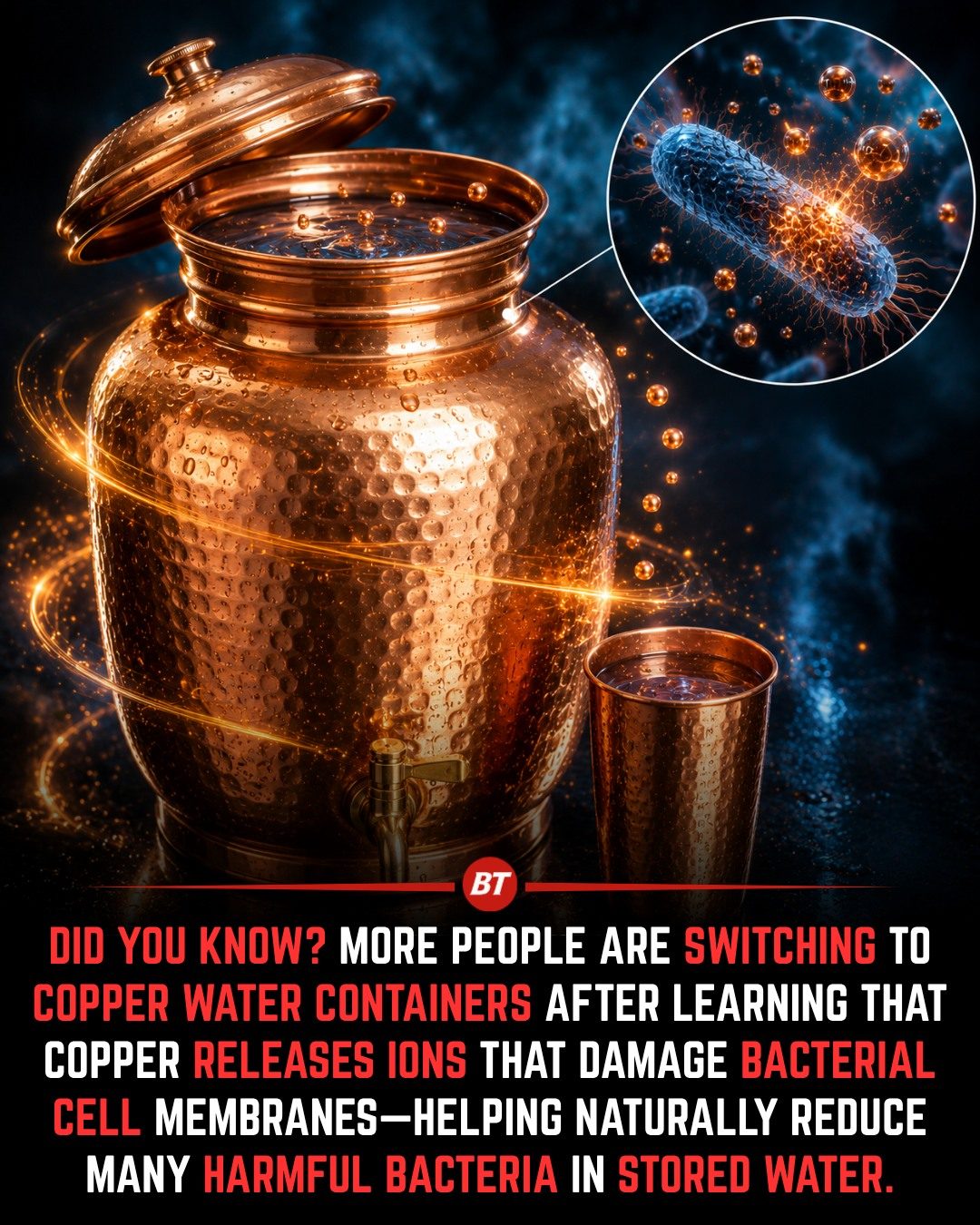
Copper Water Containers: The Natural Antimicrobial Solution
Copper water containers have gained popularity, and for good reason. These containers aren't just a trend; they leverage a natural antimicrobial phenomenon that has been studied for over a century. When water is stored in a pure copper vessel, tiny amounts of copper ions are naturally released, a process known as the oligodynamic effect. This effect allows copper ions to attach to the membranes of many bacteria, damaging their cell walls, disrupting essential enzymes, and interfering with their DNA until the microbes can no longer survive.
Why Copper Water Containers Matter
The shift towards copper water containers is driven by their natural ability to reduce harmful bacteria in stored water. Laboratory studies have shown that copper surfaces can significantly reduce populations of harmful bacteria such as E. coli, Salmonella, and Vibrio cholerae. This antimicrobial property has been so well documented that hospitals worldwide have investigated the use of copper-coated surfaces to help reduce the spread of healthcare-associated infections.
Traditional Ayurvedic medicine has long recognized the benefits of storing drinking water in copper vessels overnight. Modern research supports these traditional practices, confirming copper's antimicrobial activity. However, it's important to note that while copper water containers offer antimicrobial benefits, they are not a substitute for proper water purification. They do not reliably remove viruses, parasites, chemical contaminants, or heavy metals from unsafe water.
Copper Water Containers: How They Work
The Oligodynamic Effect
The oligodynamic effect is a natural phenomenon where tiny amounts of copper ions are released into the water when stored in a copper vessel. These ions attach to the membranes of many bacteria, damaging their cell walls, disrupting essential enzymes, and interfering with their DNA, ultimately preventing the microbes from surviving. This process has been studied extensively and is well-documented in scientific literature.
Antimicrobial Properties
Copper's antimicrobial properties are not limited to water storage. Copper surfaces have been shown to significantly reduce populations of harmful bacteria such as E. coli, Salmonella, and Vibrio cholerae. This is why hospitals around the world have started investigating copper-coated surfaces to help reduce the spread of healthcare-associated infections. The antimicrobial properties of copper make it a valuable material for various applications, from kitchenware to medical equipment.
Practical Tips for Using Copper Water Containers
Proper Usage
To maximize the benefits of copper water containers, fill a food-grade copper bottle or jug with clean drinking water and let it sit for 6–8 hours or overnight before drinking. This allows enough time for the copper ions to be released into the water, providing the antimicrobial benefits.
Maintenance
Regular maintenance is key to keeping your copper water container in good condition. Wash the container regularly with lemon juice or vinegar and salt to prevent tarnish. However, avoid storing acidic drinks like citrus juice, vinegar, or kombucha in copper vessels, as these can react with the copper and potentially leach harmful amounts of copper into the liquid.
Important Takeaways
Health Benefits
Copper itself is an essential trace mineral that plays a crucial role in energy production, collagen formation, iron metabolism, immune function, and antioxidant defense. However, it's important to consume copper in moderation, as excess intake can be harmful. Storing water in food-grade copper containers and using them as directed can help ensure you reap the benefits without the risks.
Environmental Impact
Copper water containers offer an eco-friendly alternative to plastic bottles. By using a reusable copper container, you can reduce plastic waste and contribute to a more sustainable lifestyle.
Conclusion
Copper water containers offer a natural and effective way to reduce harmful bacteria in stored water. By leveraging the oligodynamic effect, these containers provide antimicrobial benefits that have been studied and documented for over a century. Whether you're looking to improve your health, reduce your environmental impact, or simply enjoy the aesthetic appeal of copper, incorporating a copper water container into your daily routine can be a beneficial choice. Just remember to use and maintain them properly to ensure you get the most out of their natural benefits.
Watch the Reel
Questions readers ask
How do copper water containers help reduce bacteria in water?
Copper water containers utilize the oligodynamic effect, where copper ions are released into the water. These ions penetrate and damage bacterial cell walls, disrupt essential enzymes, and interfere with bacterial DNA, making it an effective natural solution for reducing bacteria in stored water.
What is the oligodynamic effect in copper water containers?
The oligodynamic effect refers to the natural antimicrobial process where copper ions are released from the container into the water. This effect disrupts the vital functions of bacteria, preventing their growth and ultimately killing them, making copper an effective antimicrobial agent.
Are copper water containers safe for daily use?
Yes, copper water containers are safe for daily use when they are made of pure copper. However, it's essential to ensure the container is food-grade and maintained properly. Additionally, the World Health Organization suggests drinking water with copper concentration of 20mg/L or less.
Can copper water containers remove all types of bacteria from water?
Copper water containers are effective against a wide range of bacteria, including E. coli, Salmonella, and Legionella. However, the effectiveness can vary based on the type of bacteria and the concentration of copper ions in the water. It's also important to note they may not be as effective against viruses or parasites.
How long does it take for copper water containers to reduce bacteria in water?
The time it takes for copper water containers to reduce bacteria can vary, but studies have shown that significant bacterial reduction can occur within a few hours. For optimal results, it is recommended to store water in the container for at least 16-24 hours to allow the oligodynamic effect to occur.
Can copper water containers replace water purification methods?
While copper water containers offer antimicrobial benefits, they should not be used as the sole method for water purification. They are best used as a complementary method to traditional purification techniques, such as boiling or using water filters, especially when dealing with potentially contaminated water sources.
Related deep dives
Similar reads based on topic and creator.




Recent articles
Fresh deep dives from the latest Reels we unpacked.




Comments
Be the first to comment.