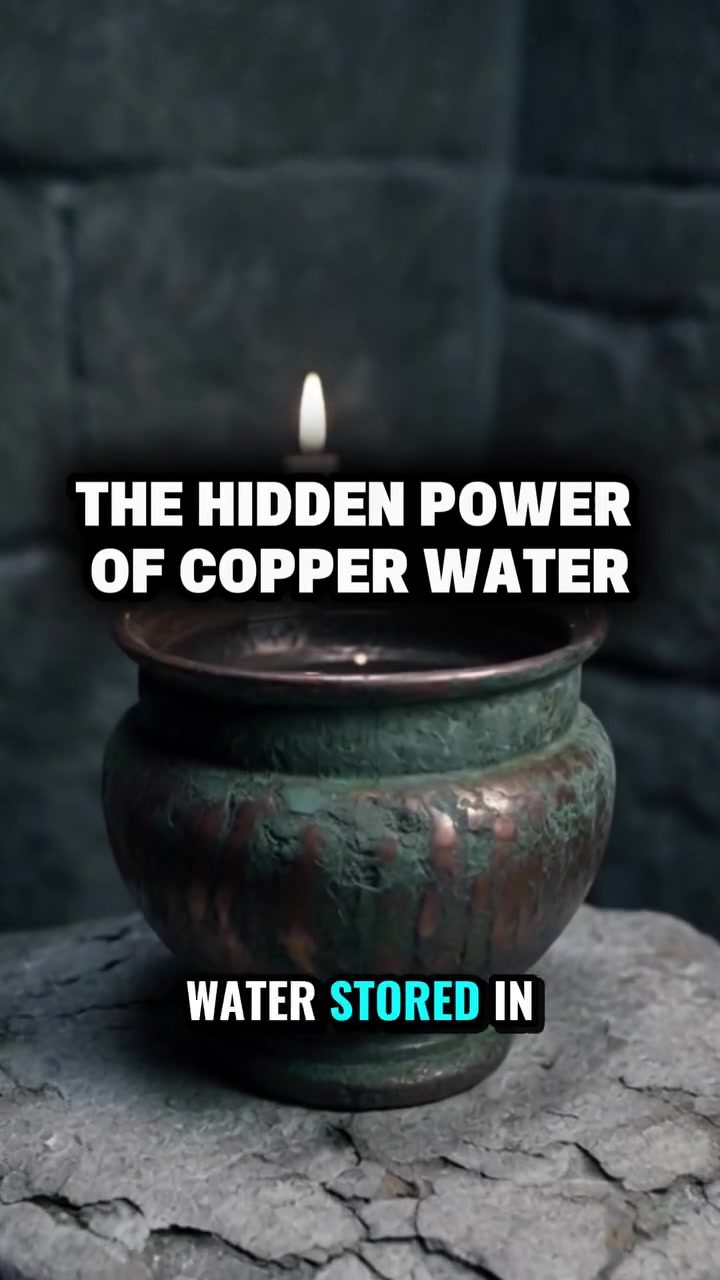
The Hidden Power of Copper Water
Water stored in copper vessels has been a practice with roots in ancient wisdom and modern science alike. This tradition, documented over 3,000 years ago in Ayurvedic medicine, has recently gained attention due to its measurable antibacterial properties. Today, as municipal water travels through PVC and plastic piping, understanding the benefits of copper water becomes even more relevant.
Why This Matters
In an era where water purity is a growing concern, the properties of copper water offer a natural solution. Copper vessels have been used for centuries not only for their aesthetic appeal but also for their health benefits. Copper ions released into the water have been shown to have antimicrobial effects, making the water safer to drink. This is particularly important in areas where water purification systems may be inadequate.
Main discussion
Historical Context
The use of copper vessels for storing water is an ancient practice, deeply rooted in Ayurvedic medicine. Copper's antimicrobial properties were recognized thousands of years ago, and this knowledge has been passed down through generations. Modern science has now confirmed what ancient practitioners knew: copper ions restructure water in a way that inhibits bacterial growth. This makes copper water a natural disinfectant, capable of killing harmful bacteria.
The Oligodynamic Effect
The oligodynamic effect refers to the antimicrobial properties of certain metals, including copper. When water is stored in a copper vessel, copper ions are released into the water. These ions disrupt the cellular structures of bacteria, making it difficult for them to survive. This effect is particularly potent in copper water that has been stored for at least eight hours. The antibacterial activity confirmed in peer-reviewed microbiology studies underscores the effectiveness of this method.
The Modern Shift to PVC Piping
Over time, the use of copper piping in modern infrastructure has decreased, replaced by PVC and plastic piping. This shift has had significant implications for water quality. While PVC piping is more cost-effective and easier to install, it lacks the antimicrobial properties of copper. As a result, water traveling through PVC piping does not benefit from the oligodynamic effect, making it more susceptible to bacterial contamination.
There are also concerns about the leaching of chemicals from PVC pipes into the water supply. While copper piping may be more expensive, its antimicrobial properties and lack of chemical leaching make it a more attractive option for maintaining water quality. Copper piping is especially beneficial in areas where water purification systems may be limited or unreliable.
Practical Tips
To harness the power of copper water, consider the following practical tips:
Choose the Right Copper Vessel
Opt for a copper vessel that is unlined and free of any coatings or treatments. This ensures that the copper ions can be released into the water effectively. A traditional copper pot or a copper water bottle can serve this purpose well.
Storage Time
For optimal benefits, store water in the copper vessel for at least eight hours. This allows enough time for the copper ions to be released into the water and for the oligodynamic effect to take place. The longer the water stays in the vessel, the more pronounced the antibacterial effects will be.
Maintenance
Clean the copper vessel regularly to maintain its effectiveness. Over time, mineral deposits can form on the surface of the copper, reducing its ability to release ions into the water. Use a mixture of lemon juice and salt to clean the vessel, which will also help maintain its natural shine.
Important Takeaways
Storing water in a copper vessel can significantly enhance its purity and safety. Building on ancient practices, modern science has confirmed the antibacterial properties of copper water, making it a valuable addition to any health- conscious household. The shift from copper to PVC piping has had implications for water quality, highlighting the need for alternative methods to ensure water purity. Copper's antimicrobial properties and the oligodynamic effect offer a natural and effective solution to this challenge. By incorporating copper water into daily routines, individuals can benefit from this ancient wisdom and modern science.
Conclusion
Storing water in copper vessels offers a natural and effective way to enhance water purity. With roots in ancient Ayurvedic medicine and backed by modern science, the antibacterial properties of copper water make it a valuable addition to any health-conscious lifestyle. As we continue to navigate the complexities of modern water purification, turning to traditional methods like copper water storage can provide a reliable and natural solution to maintaining water quality.
Watch the Reel
Questions readers ask
What are the primary benefits of storing water in copper vessels?
The primary benefits of storing water in copper vessels include the release of copper ions, which have strong antimicrobial properties. This makes the water safer to drink by reducing the presence of harmful bacteria and other microorganisms. Additionally, copper water has been linked to improved digestion and enhanced immune function.
How does the oligodynamic effect relate to copper water?
The oligodynamic effect refers to the ability of small amounts of metals, particularly copper, to have a toxic effect on microorganisms. This effect is responsible for the antibacterial properties of copper water, as the copper ions released into the water inhibit the growth of bacteria and other pathogens, helping to purify the water naturally.
Is there scientific evidence supporting the benefits of copper water?
Yes, modern scientific research supports the benefits of copper water. Studies have shown that copper has strong antimicrobial properties, making it effective in purifying water. Moreover, research indicates that copper ions can neutralize various bacteria and viruses, contributing to safer and healthier drinking water.
How long does water need to be stored in a copper vessel to gain its benefits?
For water to gain the full benefits of copper, it should ideally be stored in a copper vessel for at least 8 hours. This allows enough time for the copper ions to be released into the water and exert their antibacterial effects, making the water safer for consumption.
What is the difference between copper water vessels and PVC water pipes?
Copper water vessels are made entirely of copper and have been traditionally used for their antibacterial properties, which help in purifying water. In contrast, PVC pipes are primarily used for their durability and cost-effectiveness. However, PVC pipes do not offer the same health benefits as copper vessels. Additionally, PVC pipes can leach harmful chemicals into the water, making them a less desirable choice for water storage and purification.
Are there any potential side effects of drinking copper water?
While drinking copper water is generally safe, excessive consumption of copper can lead to side effects such as nausea, vomiting, and diarrhea. It is therefore important to adhere to recommended storage times and avoid overconsumption. Pregnant women, young children, and individuals with kidney or liver disease should consult a healthcare professional before regularly drinking copper water.
Related deep dives
Similar reads based on topic and creator.

Recent articles
Fresh deep dives from the latest Reels we unpacked.




Comments
Be the first to comment.