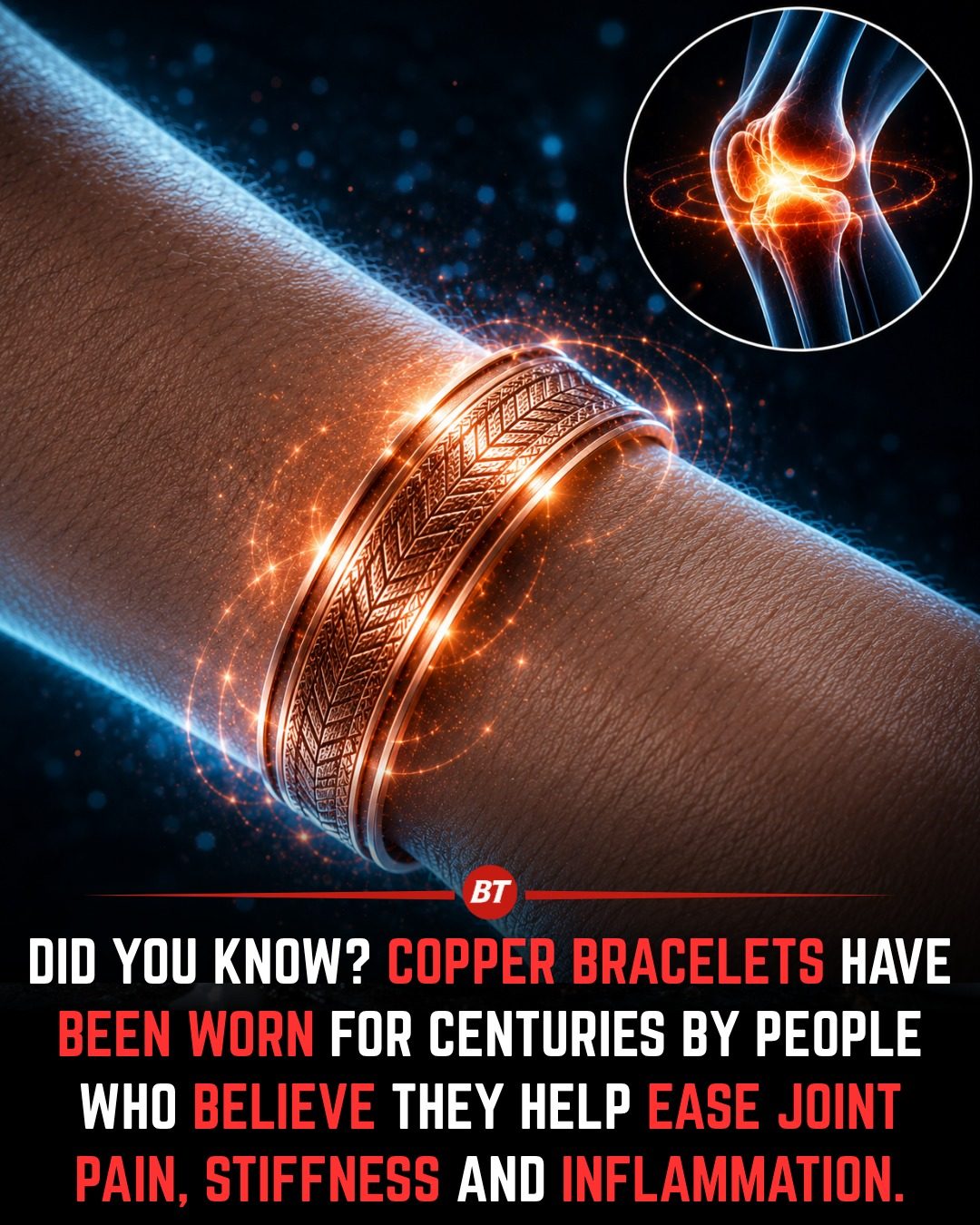
Copper Bracelets
Copper bracelets have been a staple in various cultures for thousands of years, worn by people seeking relief from joint pain, stiffness, and inflammation. From ancient civilizations to modern times, these bracelets have maintained a significant presence in wellness practices. But do they actually work? Let's explore the historical context, scientific findings, and practical applications of copper bracelets.
Why This Matters
Understanding the role of copper bracelets in joint health can provide valuable insights for those dealing with arthritis and other joint issues. While some people swear by their effectiveness, scientific research offers a more nuanced perspective. Whether you're considering trying a copper bracelet or just curious about their historical and cultural significance, this information can guide your decisions.
The Historical and Cultural Significance
Copper bracelets have a rich history dating back to Ancient Egypt and Greece, where they were used as remedies for various ailments. In traditional Ayurvedic medicine, copper is believed to have healing properties, particularly for joints and bones. Even today, millions of people wear copper bracelets as a natural remedy for joint pain and stiffness. The widespread use of these bracelets across different cultures and time periods highlights their enduring appeal and perceived benefits.
The Role of Copper in the Body
Copper is an essential trace mineral that plays a crucial role in various bodily functions. It is necessary for the production of collagen and elastin, proteins that help maintain the health of cartilage, tendons, ligaments, and connective tissue. Additionally, copper supports the activity of antioxidant enzymes, which protect cells from oxidative stress. Some people believe that copper bracelets can absorb tiny amounts of copper through the skin, thereby reducing inflammation and easing joint pain. However, this belief is not universally accepted and remains a subject of debate.
Scientific Findings on Copper Bracelets
Clinical studies on the effectiveness of copper bracelets have generally found little evidence supporting their significant pain-relieving benefits. A well-known randomized trial published in PLoS ONE, for instance, found no meaningful benefit for pain or stiffness in people with rheumatoid arthritis. The study concluded that any perceived relief from wearing a copper bracelet is likely due to a placebo effect rather than the bracelet's inherent properties. This suggests that while copper bracelets may not provide substantial medical benefits, they can still offer psychological comfort and cultural significance for those who wear them.
Practical Tips
If you’re considering wearing a copper bracelet, it's essential to do so with realistic expectations. Here are some practical tips to keep in mind:
Choosing the Right Bracelet
When selecting a copper bracelet, opt for one made from pure copper to ensure you're getting the potential benefits. Avoid alloys or plated bracelets, as they may not offer the same properties. Additionally, ensure the bracelet fits comfortably and does not cause discomfort or skin irritation.
Maintaining the Bracelet
To keep your copper bracelet in good condition, clean it regularly with a mixture of lemon juice and salt or a mild soap and water solution. This will help maintain its shine and prevent tarnishing.
Incorporating Other Remedies
While copper bracelets may not provide significant medical benefits, integrating other natural remedies into your routine can be beneficial. Foods rich in copper, such as oysters, liver, sesame seeds, cashews, sunflower seeds, mushrooms, dark chocolate, and legumes, can help support healthy connective tissue, energy production, and antioxidant defenses. Ensure you get enough copper through your diet to support your body's normal functions.
Consulting Healthcare Professionals
Always consult with a healthcare professional before trying any new remedy, including copper bracelets. They can provide personalized advice based on your specific health needs and conditions.
Important Takeaways
- Copper bracelets have been used for centuries across various cultures for joint pain relief.
- Copper is an essential mineral for maintaining healthy connective tissue and protecting cells from oxidative stress.
- Scientific studies suggest that the perceived benefits of copper bracelets are likely due to a placebo effect.
- Ensure you get enough copper through your diet to support your body's needs.
Conclusion
Copper bracelets, with their rich historical and cultural significance, offer a natural and generally harmless remedy for joint pain. While scientific evidence does not support significant medical benefits, the psychological and cultural significance of these bracelets cannot be overlooked. By understanding the role of copper in the body and incorporating other natural remedies, you can make informed decisions about your joint health. Whether you choose to wear a copper bracelet or not, ensuring a balanced diet rich in copper and consulting healthcare professionals can be beneficial for overall wellness.
Watch the Reel
Questions readers ask
How were copper bracelets used in ancient times?
Copper bracelets have been used for thousands of years across various cultures. Ancient civilizations, including the Egyptians, Greeks, and Romans, utilized copper for its perceived healing properties, often crafting bracelets to alleviate joint pain and inflammation.
What are the perceived benefits of copper bracelets on joint health?
Many people believe that copper bracelets can help reduce inflammation, ease joint pain, and alleviate stiffness. These benefits make them popular among individuals dealing with arthritis and other joint issues.
Is there scientific evidence supporting the use of copper bracelets for joint pain?
Scientific views on copper bracelets are mixed. Some studies suggest that copper may have anti-inflammatory properties, while others find little to no evidence supporting their effectiveness in managing joint pain. More research is needed to reach a definitive conclusion.
How do copper bracelets work to relieve joint pain?
The exact mechanism is not fully understood, but proponents believe that copper ions from the bracelet may be absorbed through the skin and into the bloodstream, where they can help reduce inflammation and promote healing.
Can copper bracelets be beneficial for conditions other than joint pain?
While primarily associated with joint health, some users report that copper bracelets help with other ailments, such as improving blood circulation and boosting the immune system. However, these benefits are largely anecdotal and require further investigation.
Are there any side effects or risks associated with wearing copper bracelets?
Generally, copper bracelets are safe for most people. However, some individuals may experience skin irritation or allergic reactions. It's recommended to clean the bracelet regularly and discontinue use if any adverse effects occur.
How should I care for my copper bracelet?
To maintain the quality and effectiveness of your copper bracelet, clean it regularly with a mild soap and water solution. Avoid exposure to harsh chemicals or prolonged contact with water, as this can cause the copper to tarnish or corrode.
Related deep dives
Similar reads based on topic and creator.




Recent articles
Fresh deep dives from the latest Reels we unpacked.




Comments
Be the first to comment.