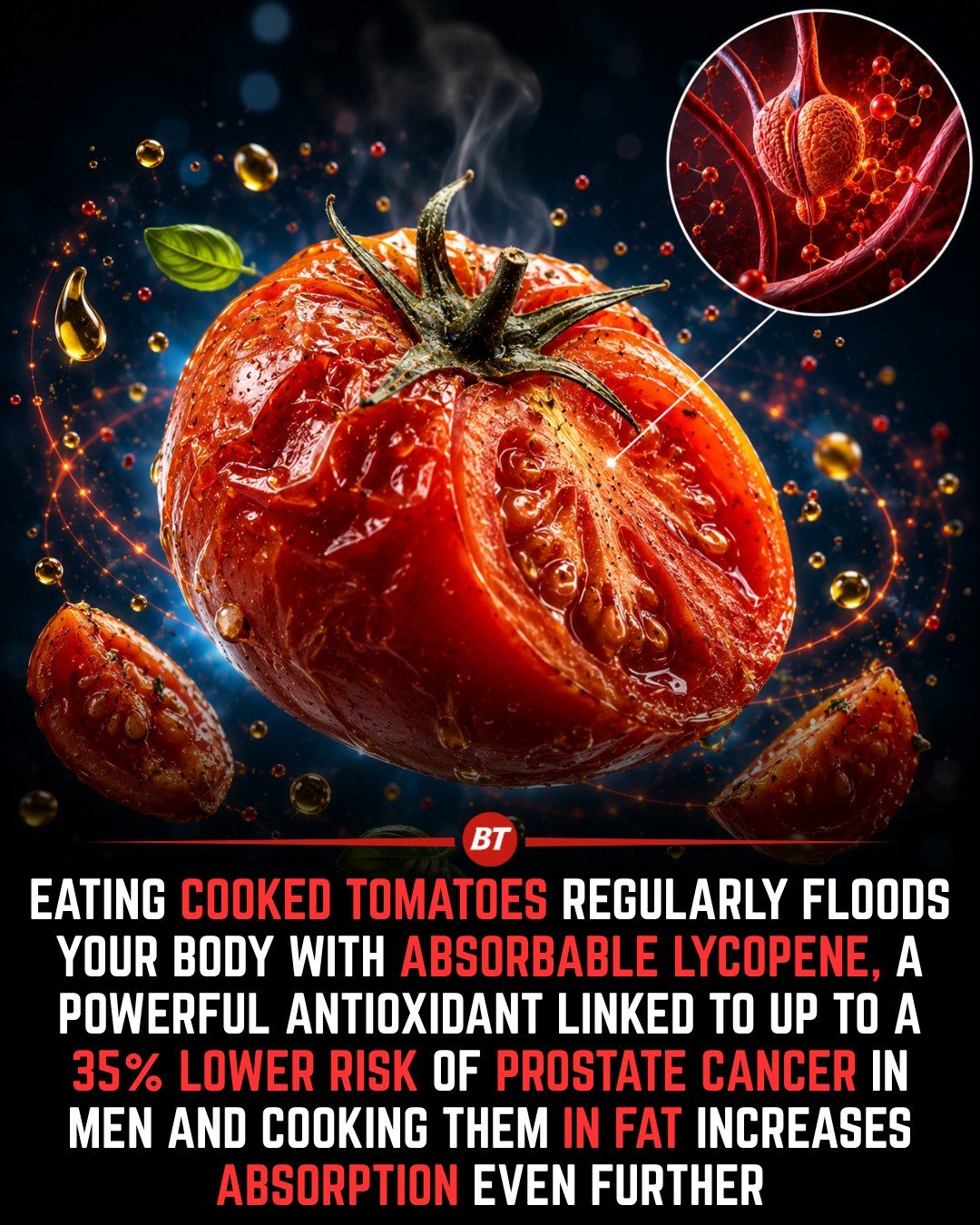
Cooking tomatoes increases their nutritional benefits by enhancing lycopene absorption, a powerful antioxidant linked to various health benefits.
Why This Matters
Tomatoes are a staple in many diets around the world, and understanding how to maximize their nutritional value can significantly impact overall health. Lycopene, the pigment that gives tomatoes their red color, is a fat-soluble antioxidant that becomes more bioavailable when tomatoes are cooked, especially with a bit of fat. This increased absorption can lead to various health benefits, including a potential reduction in the risk of prostate cancer in men.
The Science Behind Cooked Tomatoes and Lycopene
Lycopene: The Nutritional Powerhouse
Lycopene is a carotenoid pigment responsible for the characteristic red color of tomatoes. Unlike many other nutrients, lycopene becomes more bioavailable when tomatoes are cooked. The heat from cooking breaks down the cell walls of the tomato, making it easier for the body to absorb lycopene. Since lycopene is fat-soluble, preparing tomatoes with a healthy fat, such as extra virgin olive oil, can further enhance its absorption.
Cooking Tomatoes in Fat
The process of cooking tomatoes in fat, such as olive oil, significantly increases the body's ability to absorb lycopene. This is because fat acts as a carrier, helping lycopene dissolve and be absorbed more efficiently by the digestive system. Studies have shown that cooking tomatoes with a bit of fat can increase lycopene absorption by up to 35 percent.
Health Benefits of Lycopene
Lycopene's antioxidant properties make it a powerful ally in protecting cells from oxidative stress, which can damage cells and contribute to various diseases. Research has linked higher lycopene intake to a lower risk of prostate cancer in men. Large observational studies published in the Journal of the National Cancer Institute and The American Journal of Clinical Nutrition have found that men with higher lycopene intake or higher blood lycopene levels tend to have a lower risk of prostate cancer, with some studies reporting risk reductions of up to 35 percent. While more clinical research is needed to confirm the direct cause-and-effect relationship, the existing evidence is promising.
Practical Tips for Maximizing Lycopene Absorption
Cooking Methods
To maximize lycopene absorption, consider the following cooking methods:
- Roasting: Roasting tomatoes in the oven with a drizzle of olive oil can intensify their flavor and increase lycopene bioavailability.
- Sautéing: Sautéing tomatoes with a bit of oil can enhance their taste and nutritional value.
- Stewing: Stewing tomatoes, as in a tomato-based soup or stew, can also increase lycopene absorption.
- Baking: Baking tomatoes into dishes like pasta sauces or casseroles can make them more nutritious and flavorful.
Pairing with Healthy Fats
Here are some practical ways to pair tomatoes with healthy fats:
- Extra Virgin Olive Oil: A drizzle of extra virgin olive oil can significantly enhance lycopene absorption. Use it in salads, as a dressing for cooked tomatoes, or for sautéeing.
- Avocados: Avocados are rich in healthy fats and can be a delicious addition to tomato-based dishes.
- Nuts and Seeds: Incorporate nuts and seeds into your tomato dishes to add healthy fats and enhance lycopene absorption.
Tomatoes Beyond Lycopene
Other Nutritional Benefits
Tomatoes offer a wealth of nutrients beyond lycopene. They are a good source of vitamin C, potassium, and folate, as well as other beneficial carotenoids. These nutrients contribute to overall health, including immune function, heart health, and bone health.
Incorporating Tomatoes into Your Diet
To reap the full benefits of tomatoes, consider incorporating them into your diet regularly. Here are some ideas:
- Pasta Dishes: Use cooked tomatoes in pasta sauces, stews, and baked pasta dishes.
- Soups and Stews: Add tomatoes to vegetable soups, stews, and chili.
- Salads: Include tomatoes in salads, pairing them with healthy fats like olive oil and avocados.
- Sauces and Salsas: Make homemade tomato sauces and salsas, which can be used in various dishes.
Important Takeaways
- Heat Enhances Absorption: Cooking tomatoes increases lycopene bioavailability, making it easier for the body to absorb this powerful antioxidant.
- Fat is Essential: Pairing cooked tomatoes with healthy fats, such as extra virgin olive oil, can further enhance lycopene absorption.
- Prostate Health: Research suggests that higher lycopene intake may be linked to a lower risk of prostate cancer in men, although more clinical research is needed.
- Versatility of Tomatoes: Tomatoes are a versatile ingredient that can be incorporated into various dishes, making it easy to include them in a balanced diet.
Cooked tomatoes offer a range of nutritional benefits, particularly in terms of lycopene absorption. By incorporating them into your diet and pairing them with healthy fats, you can enhance their nutritional value and reap the associated health benefits.
Watch the Reel
Questions readers ask
What is lycopene and why is it important for prostate health?
Lycopene is a red carotenoid pigment found in tomatoes that acts as a potent antioxidant. It is particularly important for prostate health because it can help reduce the risk of prostate cancer in men. Consuming lycopene-rich foods, especially when cooked, can enhance its absorption, contributing to better overall health.
How does cooking tomatoes affect lycopene absorption?
Cooking tomatoes breaks down their cell walls, making lycopene more readily available for absorption. Additionally, cooking tomatoes with healthy fats, like olive oil, further enhances lycopene's bioavailability. This increased absorption allows the body to utilize lycopene more effectively, maximizing its health benefits, including prostate health.
What are the best cooking methods to maximize lycopene in tomatoes?
To maximize lycopene absorption, opt for cooking methods that soften the tomato and incorporate healthy fats. Examples include sautéing, roasting, or slow cooking with a bit of olive oil or other healthy fats. These methods not only enhance lycopene's bioavailability but also enrich the flavor of the tomatoes, making your dishes more enjoyable.
Can eating cooked tomatoes help prevent prostate cancer?
Cooked tomatoes are a great source of lycopene, which has been linked to a reduced risk of prostate cancer. Studies have shown that consuming lycopene-rich foods, especially when cooked, can contribute to better prostate health. Incorporating cooked tomatoes into your regular diet may therefore help in the prevention of prostate cancer.
What are the benefits of consuming lycopene for men?
Lycopene offers numerous potential benefits for men, particularly in promoting prostate health. Regular consumption of lycopene, especially from cooked tomatoes, can help reduce the risk of prostate cancer. Additionally, lycopene's antioxidant properties may contribute to overall health and well-being, making it a valuable addition to a healthy diet for men.
What other lycopene-rich foods can I include in my diet alongside tomatoes?
While tomatoes are the richest source, you can also incorporate other lycopene-rich foods into your diet. Examples include pink grapefruit, watermelon, pink guava, and apricots. Additionally, lycopene-rich foods cooked with healthy fats can enhance its bioavailability. However, tomatoes remain the primary dietary source of lycopene, making them an essential component of a lycopene-rich diet.
Related deep dives
Similar reads based on topic and creator.




Recent articles
Fresh deep dives from the latest Reels we unpacked.




Comments
Be the first to comment.