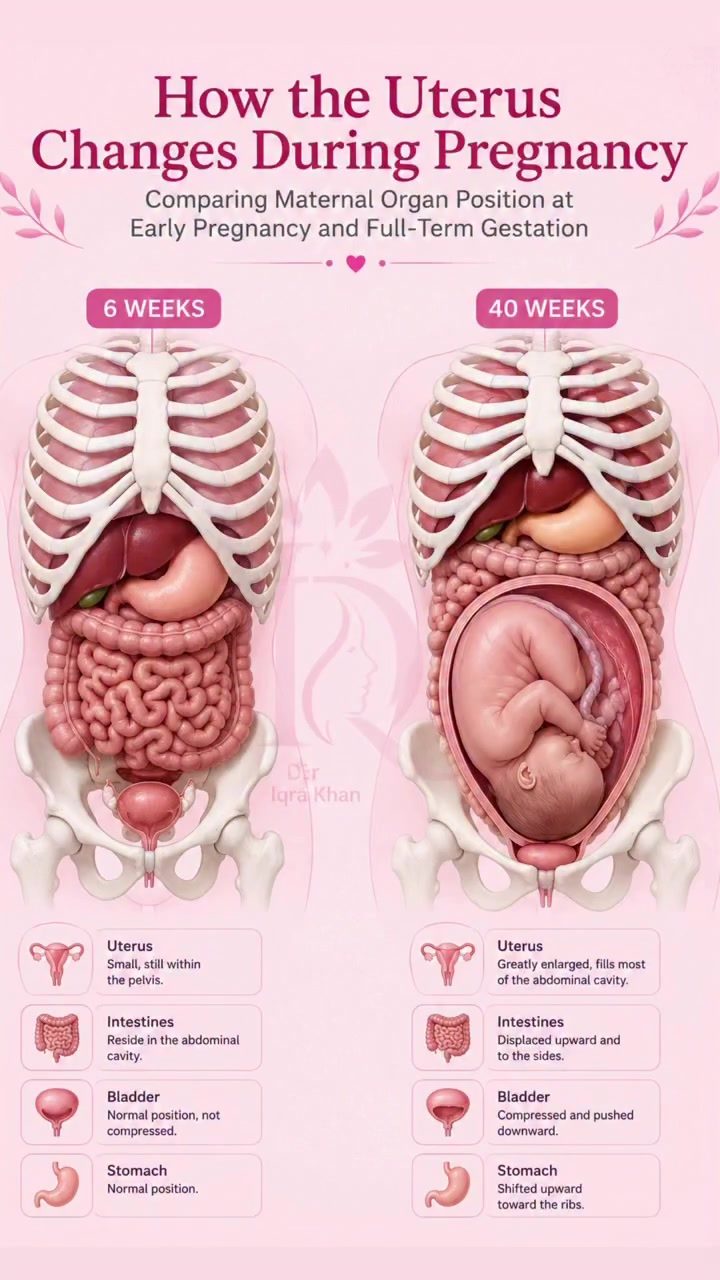
How the Uterus Changes During Pregnancy
Pregnancy brings about significant changes to a woman's body, with the uterus undergoing one of the most dramatic transformations. The uterus, which is typically a small, pear-shaped organ located within the pelvis, expands to accommodate the growing fetus. This expansion has a ripple effect on surrounding organs, contributing to various symptoms experienced during pregnancy.
Context / Why This Matters
Understanding how the uterus changes during pregnancy can help expecting mothers better comprehend the physical and physiological changes they experience. By recognizing these changes as normal adaptations, women can prepare for the challenges and symptoms that accompany each stage of pregnancy. This knowledge can also empower them to seek medical attention when necessary, ensuring both maternal and fetal health.
Main Discussion
Early Pregnancy (6 Weeks)
At around 6 weeks of pregnancy, the uterus is still relatively small and resides within the pelvis. During this early stage, the uterus is only slightly enlarged, and its position minimally affects the surrounding organs. The intestines, bladder, and stomach remain in their normal positions, with the bladder particularly unaffected. This minimal displacement of organs means that early pregnancy symptoms related to organ compression, such as frequent urination or discomfort, are typically mild or absent.
The Role of Hormones:
Hormonal changes, particularly the increase in human chorionic gonadotropin (hCG) and progesterone, play a crucial role in supporting the growing embryo. Progesterone helps thicken the uterine lining, preparing it for implantation, while hCG helps maintain the corpus luteum, which produces estrogen and progesterone.
Mid-Pregnancy (20 Weeks)
By 20 weeks, the uterus has grown significantly. The uterine fundus, which is the top of the uterus, reaches the level of the umbilicus (belly button). This growth marks a transition where the uterus begins to occupy more space in the abdominal cavity. The enlargement of the uterus starts to displace the surrounding organs more noticeably, although it is not yet as pronounced as it will be at term.
Common Symptoms:
As the uterus expands, women may start to experience symptoms such as:
- Increased urination: The growing uterus begins to compress the bladder, reducing its capacity and leading to more frequent trips to the bathroom.
- Heartburn and indigestion: The upward pressure on the stomach can cause acid reflux and other digestive issues.
Full-Term Pregnancy (40 Weeks)
By 40 weeks, the uterus has enlarged to such an extent that it fills most of the abdominal cavity. This significant growth displaces the intestines upward and to the sides, elevates the stomach toward the ribs, and compresses the bladder downward. The uterus's position and size can cause several symptoms, including:
- Frequent urination and reduced bladder capacity: The compressed bladder leaves less space for urine, leading to more frequent urination.
- Increased abdominal discomfort: The large uterus can cause discomfort and even pain, especially if the baby is in a position that puts pressure on other organs.
- Shortness of breath: The elevated diaphragm can compress the lungs, making it harder to breathe.
The Physiological Adaptations:
The physiological changes in the uterus and surrounding organs are crucial for supporting fetal growth and ensuring adequate maternal circulation. The expansion of the uterus allows for the development of the placenta, which provides essential nutrients and oxygen to the growing fetus. Additionally, the increased blood volume and cardiac output support the increased demands of pregnancy.
Practical Tips
Monitoring Symptoms
While many symptoms associated with the changing uterus are normal, it is essential to monitor them closely. Contact a healthcare provider immediately if you experience:
- Severe abdominal pain: This could indicate a uterine rupture, placental abruption, or other serious conditions.
- Heavy bleeding: While some bleeding is normal during early pregnancy, heavy bleeding can be a sign of complications like a miscarriage or ectopic pregnancy.
- Persistent vomiting: While morning sickness is common, persistent and severe vomiting could indicate hyperemesis gravidarum, which requires medical attention.
- Reduced fetal movements: A decrease in the baby's movements could indicate fetal distress, warranting immediate medical evaluation.
Managing Symptoms
To manage symptoms related to the changing uterus, consider the following tips:
- Stay hydrated: Drinking plenty of water can help alleviate digestive issues and support overall health.
- Eat smaller, more frequent meals: This can help manage heartburn and indigestion.
- Practice good posture: Maintaining good posture can help alleviate back pain and discomfort.
- Get plenty of rest: Adequate rest is essential for both maternal and fetal health.
Important Takeaways
- The uterus undergoes significant changes during pregnancy, transitioning from a pelvic to an abdominal organ.
- These changes displace surrounding organs, contributing to common pregnancy symptoms.
- Understanding these changes can help women recognize normal physiological adaptations and seek medical care when necessary.
Conclusion
The uterus's transformation during pregnancy is a remarkable process that supports fetal growth and ensures maternal health. By understanding the changes in the uterus and surrounding organs, women can better navigate the challenges of pregnancy and seek appropriate care when needed.
Watch the Reel
Questions readers ask
How does the uterus expand during the first trimester?
During the first 12 weeks of pregnancy, the uterus grows from the size of a pear to fill the entire pelvic cavity. This initial expansion is crucial for creating a safe and supportive environment for the developing fetus. The uterus's growth can lead to frequent urination, as the expanding uterus places pressure on the bladder.
What organs are affected by the uterus's expansion during pregnancy?
As the uterus expands, it can displace and compress surrounding organs, leading to a variety of symptoms. The bladder and intestines are often the most affected, resulting in issues like frequent urination, constipation, and discomfort. The stomach may also be pushed upwards, potentially causing indigestion and heartburn.
When does the uterus start to push on the diaphragm and cause shortness of breath?
During the second and third trimesters, the uterus may push up against the diaphragm, causing shortness of breath. This typically begins around 28 weeks and peaks in the third trimester. However, the sensation can vary from woman to woman, and some may experience mild discomfort, while others feel breathless.
Why does the uterus' expansion cause digestive issues during pregnancy?
The uterus' expansion during pregnancy can lead to digestive issues by pushing on the intestines, slowing down food movement, and causing discomfort. This is why constipation and bloating are common symptoms in the later stages of pregnancy. Keeping a balanced diet and regular physical activity can help alleviate some of these digestive issues.
How does the uterus' expansion impact the urinary system during pregnancy?
The uterus' expansion places significant pressure on the bladder, leading to increased urination frequency and urgency. This can also increase the risk of urinary tract infections (UTIs) during pregnancy. Drinking plenty of water and emptying the bladder regularly can help manage these symptoms effectively.
Can the position of my organs change during pregnancy?
Yes, the position of your organs can shift as the uterus expands. Organs such as the stomach, intestines, and bladder may be displaced or compressed, leading to various symptoms. Understanding these changes can help you prepare for and manage the physical discomfort and challenges that come with the organ shifts.
How long does it take the uterus to return to its pre-pregnancy size?
After delivery, the uterus begins to contract and shrink back to its pre-pregnancy size, a process known as involution. It takes about 6-8 weeks for the uterus to return to its normal size, although it may take longer for it to return to its original tone and shape. Regular postpartum check-ups can help monitor your progress and address any concerns.
Recent articles
Fresh deep dives from the latest Reels we unpacked.




Comments
Be the first to comment.