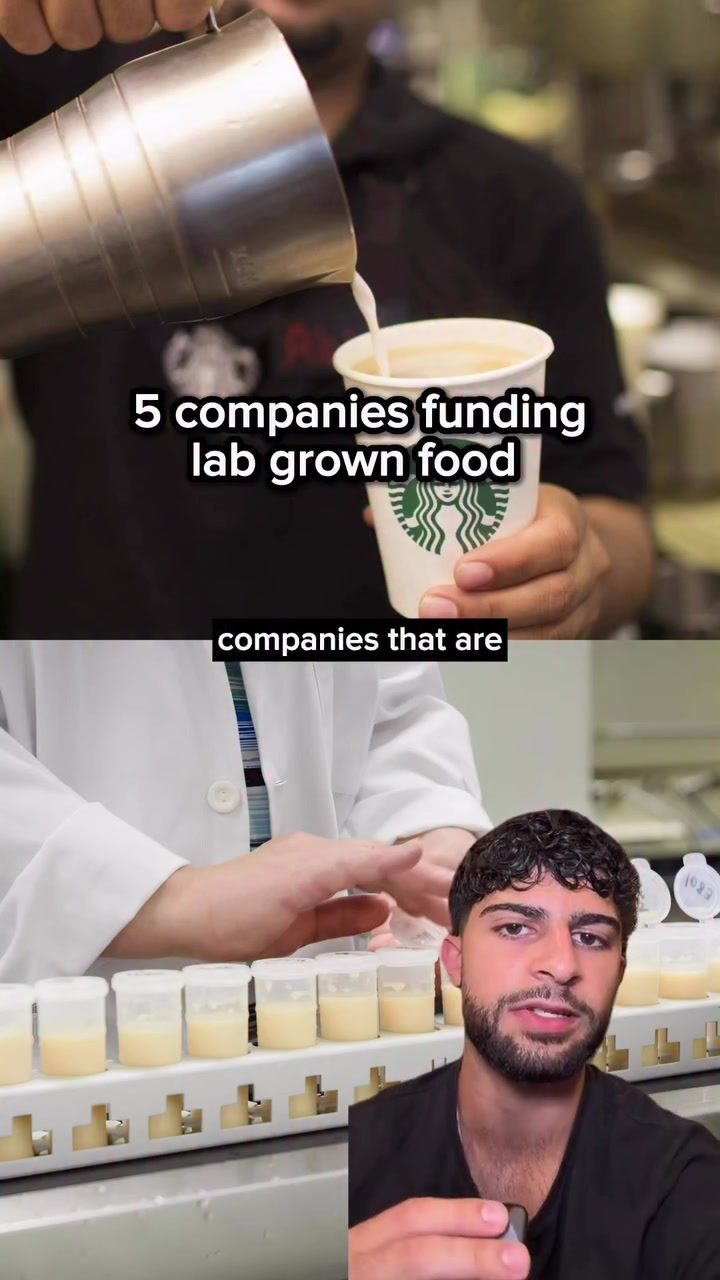
Lab-Grown Food Funding: Companies at the Forefront of Innovation
Lab-grown food is emerging as a revolutionary force in the food industry, with several companies leading the charge in funding and developing this innovative technology. This shift towards lab-grown food is driven by a desire to create more sustainable, ethical, and efficient food production methods. Here, we explore five key companies that are investing in lab-grown food and the implications of this growing trend.
Why This Matters
The food industry is at a critical juncture. Traditional farming methods face challenges such as environmental degradation, resource scarcity, and ethical concerns. Lab-grown food offers a promising solution by reducing the need for land, water, and feed, and eliminating the ethical issues associated with animal farming. Understanding which companies are at the forefront of this innovation can provide valuable insights into the future of food production.
Leading Companies in Lab-Grown Food
Orgain
Orgain has made significant strides in the world of lab-grown food by launching a protein powder that uses 100% lab-grown whey. This move marks a substantial step forward in the use of lab-grown ingredients in everyday consumer products. The protein powder is designed for health-conscious individuals who are looking for sustainable and high-quality protein sources. Orgain's investment in lab-grown whey demonstrates a commitment to innovation and sustainability in the protein supplementation market.
Starbucks
Starbucks, a global leader in the coffee and beverage industry, has ventured into the realm of lab-grown food by serving drinks made with lab-grown milk. Interestingly, many customers were unaware that they were consuming lab-grown milk, highlighting the seamless integration of this innovative ingredient into existing products. Starbucks' foray into lab-grown milk underscores the potential for mainstream adoption of lab-grown food products, even among discerning consumers.
Tyson
Tyson, a well-known name in the meat industry, has been heavily investing in lab-grown meat for years, even before it was legal in the US. Tyson's proactive approach to lab-grown meat reflects a strategic vision to stay ahead of the curve in the food industry. By investing in this technology, Tyson aims to address concerns over animal welfare, environmental sustainability, and food security, positioning itself as a leader in the future of meat production.
Cadbury
Cadbury, a beloved chocolate brand, has successfully produced its first prototype chocolate bar using lab-grown cocoa. This development is a significant milestone, as cocoa production is notorious for its environmental impact and ethical challenges. By exploring lab-grown cocoa, Cadbury is not only innovating its product line but also addressing the sustainability and ethical concerns associated with traditional cocoa farming. This step forward could transform the chocolate industry, making it more responsible and sustainable.
Breyers
Breyers, a popular ice cream brand, has launched a lactose-free chocolate ice cream using lab-grown dairy. This innovation opens up new possibilities for consumers with dietary restrictions and those seeking more sustainable food options. Breyers' use of lab-grown dairy aligns with the growing demand for plant-based and allergy-friendly products, demonstrating the brand's commitment to innovation and consumer health.
The Role of the FDA
The FDA's approval of lab-grown food products is a critical step in their widespread adoption. The FDA approval process ensures that these innovative products meet the same safety and quality standards as traditionally produced foods. This regulatory support is essential for building consumer trust and encouraging further investment in lab-grown food technologies.
Practical Tips for Exploring Lab-Grown Food
If you're interested in exploring lab-grown food, here are a few practical tips to get you started:
-
Stay Informed: Keep up with the latest developments in lab-grown food technology. Follow industry leaders and read about new products and innovations.
-
Try New Products: Be open to trying new lab-grown food products as they hit the market. This will give you a firsthand experience of the taste, texture, and quality of these innovative foods.
-
Support Sustainable Brands: Choose brands that are actively investing in lab-grown food and sustainable practices. Your support can drive further innovation and adoption in the industry.
-
Engage with the Community: Join online communities and forums dedicated to lab-grown food. Sharing experiences and knowledge can enhance your understanding and appreciation of this emerging field.
Important Takeaways
-
Innovation in Food Production: Lab-grown food represents a significant shift in food production, driven by a need for sustainability and ethical practices.
-
Mainstream Adoption: Companies like Starbucks and Breyers are paving the way for lab-grown food to become a mainstream choice, making it accessible to a broader audience.
-
Sustainability and Ethics: Lab-grown food offers a more sustainable and ethical alternative to traditional farming, addressing environmental and animal welfare concerns.
-
Regulatory Support: The FDA's approval of lab-grown food products is crucial for building consumer trust and encouraging further innovation.
Conclusion
The landscape of the food industry is rapidly evolving, with lab-grown food at the forefront of this transformation. Companies like Orgain, Starbucks, Tyson, Cadbury, and Breyers are leading the way in funding and developing this innovative technology. As lab-grown food becomes more mainstream, it offers a promising solution to the challenges faced by traditional farming methods. By staying informed, trying new products, and supporting sustainable brands, consumers can play an active role in shaping the future of food production. The future of food is here, and it’s lab-grown.
Watch the Reel
Questions readers ask
Which companies are leading the way in lab-grown food production?
Companies such as Orgain and Starbucks are leading the forefront of lab-grown food production. These companies are investing in this innovative technology to promote sustainable food production and address ethical concerns.
What are the benefits of lab-grown food compared to traditional farming?
Lab-grown food reduces the need for large amounts of land, water, and feed, making it a more sustainable option. It also eliminates some ethical concerns associated with traditional animal farming.
Has the FDA approved lab-grown food for consumption?
Yes, the FDA has been involved in the regulation and approval of lab-grown food. In 2019, the FDA evaluated and approved a lab-grown meat for the first time, paving the way for future approvals in the lab-grown food industry.
What types of lab-grown food are currently being developed?
Currently, a variety of lab-grown food products are being developed, including lab-grown protein powder, lab-grown milk by Starbucks and lab grown chocolate.
Why are companies investing in lab-grown food technology?
Companies are investing in lab-grown food technology due to the growing demand for sustainable and ethical food production methods. This technology offers a solution to environmental degradation, resource scarcity, and ethical concerns in the food industry.
What are some of the challenges facing lab-grown food startups?
Lab-grown food startups may face challenges such as high initial investment costs, consumer acceptance, and scaling up production. However, with continuous innovation and investment, these challenges can be overcome.
How does lab-grown food address ethical concerns in food production?
Lab-grown food addresses ethical concerns by eliminating the need for animal slaughter and reducing the environmental impact of traditional farming methods. This makes it a more humane and environmentally friendly option.
Related deep dives
Similar reads based on topic and creator.

Recent articles
Fresh deep dives from the latest Reels we unpacked.




Comments
Be the first to comment.