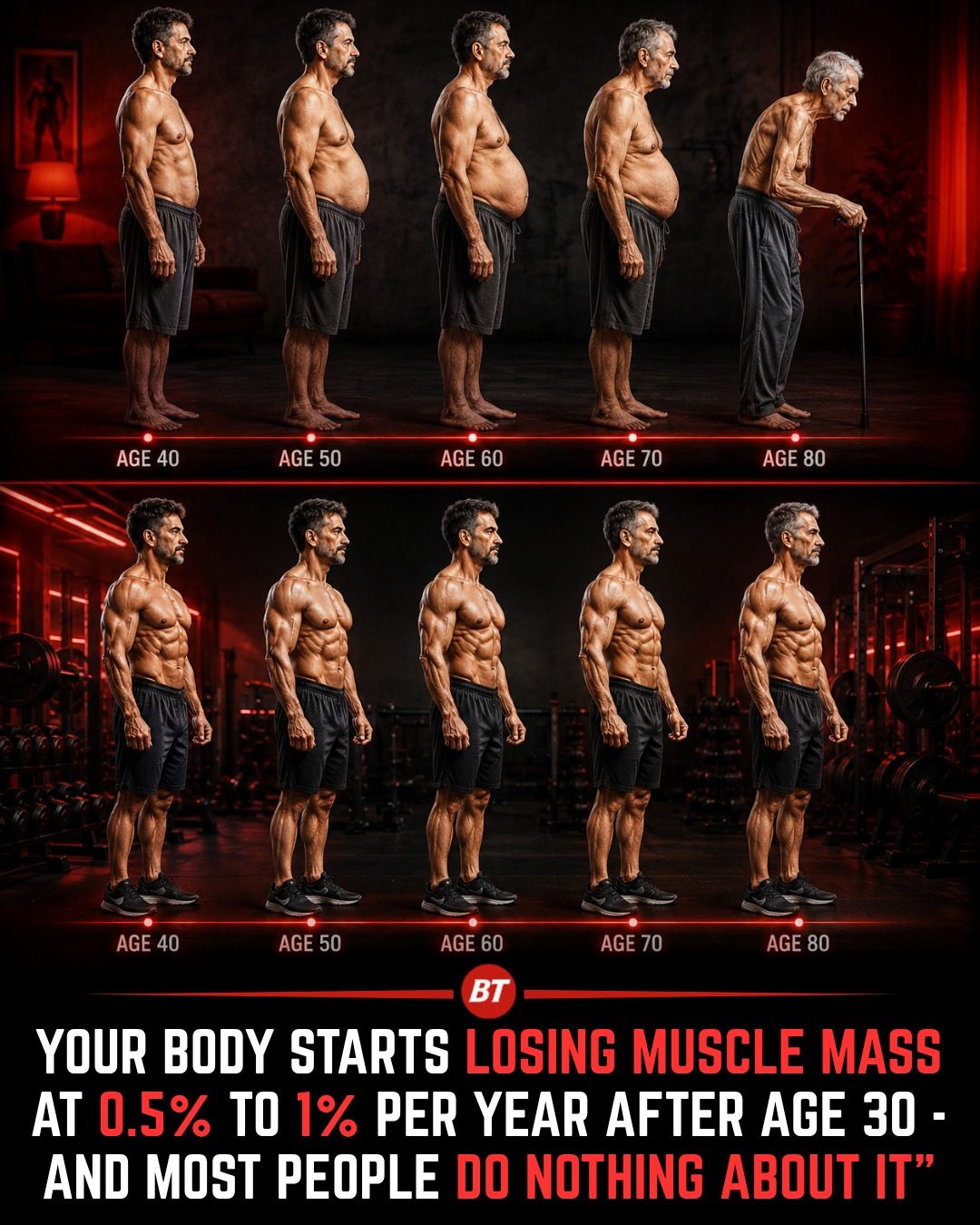
Muscle Loss Over Time
Muscle loss, a natural part of aging, starts as early as our 30s. This gradual decline, known as sarcopenia, affects everyone. Understanding this process and its implications can help you take proactive steps to maintain your muscle mass and overall health.
Why This Matters
Muscle is more than just what you see in the mirror. It plays a crucial role in your body's metabolic processes. Muscle tissue helps regulate blood sugar, supports healthy bones, protects joints, and is essential for maintaining strength, balance, and mobility. As muscle mass decreases, so does the ability to perform everyday tasks. This decline in muscle mass is not just about appearance; it's about maintaining independence and quality of life as you age.
Understanding Muscle Loss
Muscle loss accelerates with age if left unchecked. On average, adults lose about 0.5% to 1% of their muscle mass each year after age 30. By the time you reach your 60s or 70s, this can add up to a significant loss of muscle. The decline in muscle mass is often accompanied by a decline in muscle strength and function. This progression is clearly shown in the images of the man at different ages, illustrating the visible loss of muscle mass and changes in posture.
The Impact on the Body
Losing muscle mass has far-reaching effects on the body. Research published in the Journal of Cachexia, Sarcopenia and Muscle shows that maintaining muscle mass is one of the strongest predictors of healthy aging, mobility, and longevity. People with greater muscle strength tend to have a lower risk of falls, fractures, type 2 diabetes, and cardiovascular disease. Muscle loss can also impact your posture, making you more prone to injuries and reducing your overall mobility.
The Role of Muscle in Health
As you age, maintaining muscle mass is crucial for overall health. Muscle is your body's metabolic engine, helping to regulate blood sugar, support healthy bones, and protect your joints. Strength training is not just about building big muscles; it's about preserving and enhancing your body's ability to function efficiently. Regular strength training and adequate protein intake can help preserve—and often increase—muscle mass at almost any age.
Maintaining Muscle Mass
The good news is that age-related muscle loss is not inevitable. A few consistent strength-training sessions each week can make a remarkable difference over the years. Incorporating exercises like squats, push-ups, rows, and lunges into your routine can help build and maintain muscle mass. Resistance band workouts are also highly effective and accessible for people of all ages and fitness levels. It's important to note that you don't have to become a bodybuilder to protect your muscles. Simple, consistent strength training can go a long way in maintaining your muscle mass and overall health.
The Benefits of Strength Training
Strength training has numerous benefits beyond just building muscle. It can improve your bone density, reduce the risk of osteoporosis, and enhance your balance and coordination. Strength training also boosts your metabolism, helping you maintain a healthy weight and manage chronic conditions like diabetes. Moreover, it can improve your mood and reduce the risk of depression. Studies have shown that people who engage in regular strength training have better cognitive function and a lower risk of developing dementia.
Practical Tips
Here are some practical tips to help you maintain your muscle mass and overall health:
- Strength Training: Aim for 2–3 full-body strength-training sessions each week.
- Protein Intake: Include 20–30 grams of high-quality protein with each meal.
- Variety in Exercises: Incorporate a variety of exercises, such as squats, push-ups, push-ups, lunges, and resistance band workouts, to build and maintain muscle.
- Consistency: Make strength training a regular part of your routine. Consistency is key to maintaining muscle mass and overall health.
Important Takeaways
Understanding muscle loss and its implications is the first step in taking control of your health. Muscle loss is a natural part of aging, but it is not inevitable. By incorporating regular strength training and adequate protein intake into your lifestyle, you can maintain and even increase your muscle mass. This not only helps you look better but also improves your overall health, mobility, and quality of life. Remember, it's never too late to start. Your muscles continue to respond to resistance training well into your 70s, 80s, and even 90s.
Conclusion
Muscle loss is a natural part of aging, starting in our 30s and progressing over time. However, it's not something to be accepted as an inevitability. By understanding the causes and effects of muscle loss and taking proactive steps, you can maintain your muscle mass and overall health. Incorporating strength training into your routine and consuming adequate protein can help you stay strong, mobile, and independent as you age.
Watch the Reel
Questions readers ask
When does muscle loss typically begin and what is it called?
Muscle loss, or sarcopenia, begins in our 30s. It is a natural part of aging that affects everyone, leading to a gradual decline in muscle mass and strength over time.
How does strength training help in preventing sarcopenia?
Strength training is a key strategy in preventing sarcopenia. It helps maintain muscle mass, improve strength, and enhance metabolic processes, thereby supporting healthy aging and reducing the risk of injuries and age-related diseases.
What are the benefits of maintaining muscle mass as we age?
Maintaining muscle mass is crucial for preserving strength, balance, and mobility. It also supports healthy bones, protects joints, and enhances the ability to perform daily activities, contributing to overall independence and quality of life.
What role does muscle play in metabolic processes?
Muscle tissue is vital for regulating blood sugar and supporting overall metabolic health. As muscle mass declines, it can impact the body's ability to manage blood sugar levels, increasing the risk of conditions like diabetes.
What types of exercise are recommended for older adults to combat muscle loss?
Strength training is particularly beneficial for older adults. Exercises like weightlifting, resistance band workouts, and bodyweight exercises can help maintain muscle mass and prevent sarcopenia. It's important to consult with a healthcare provider before starting any new exercise program.
How often should strength training be incorporated into a weekly routine for combating sarcopenia?
For optimal benefits, aim to incorporate strength training at least 2-3 times a week. This frequency helps ensure consistent muscle stimulation and growth, which is essential for preventing and reversing muscle loss associated with aging.
What are the risks associated with muscle mass decline as we age?
A decline in muscle mass can lead to increased risks of falls, injuries, and age-related diseases. It also impacts the ability to perform daily activities and maintain independence, significantly affecting overall quality of life.
Related deep dives
Similar reads based on topic and creator.




Recent articles
Fresh deep dives from the latest Reels we unpacked.




Comments
Be the first to comment.