Energy Drinks and College Students
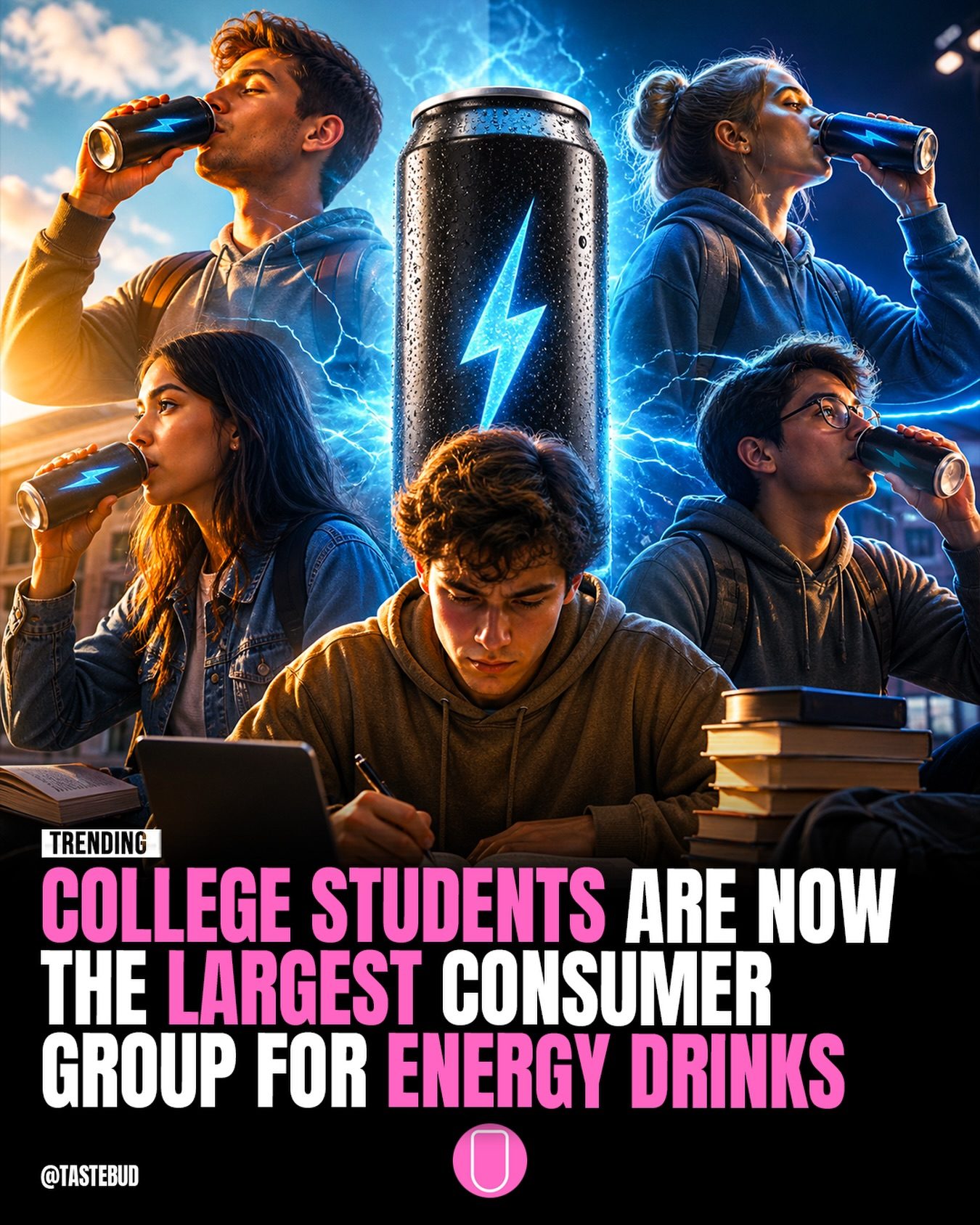
Energy drinks have become a staple among college-aged adults, with studies showing that over 60% of this demographic consume them regularly. This trend is particularly noticeable during stressful periods such as midterms and finals, when students often turn to these beverages to help with focus and staying awake, especially when dealing with irregular sleep schedules. While energy drinks can provide a quick boost, health experts advise moderation due to their high caffeine and sugar content.
Why This Matters
The increasing consumption of energy drinks among college students is a significant trend that reflects broader patterns in modern society. For many students, the demands of academic life, combined with social and extracurricular activities, create a need for sustained energy and alertness. Energy drinks, with their promise of enhanced focus and endurance, have become a go-to solution for many.
Understanding The Demand
The Role of Stress and Irregular Sleep
College life is notorious for its high-stress environment, with tight deadlines, intense study sessions, and the pressure to excel. This stress often leads to irregular sleep patterns, making it challenging to stay alert and focused. Energy drinks offer a quick fix, providing the necessary stimulation to push through long nights of studying and late-night projects. This is particularly true during peak academic stress periods, such as midterms and final exams, when the demand for energy drinks tends to surge.
The Appeal of Energy Drinks
Energy drinks are marketed as a convenient and effective way to boost energy levels and enhance mental performance. They typically contain high levels of caffeine, sugar, and various other ingredients designed to stimulate the central nervous system. This combination can provide an immediate burst of energy, helping students stay awake and alert during late-night study sessions or early morning classes.
The Benefits and Drawbacks
While energy drinks can offer short-term benefits, they also come with potential drawbacks. The high levels of caffeine and sugar can lead to a "crash" later, leaving consumers feeling fatigued and jittery. This cycle of highs and lows can disrupt sleep patterns and overall health. Additionally, the long-term effects of regular energy drink consumption are not fully understood, and excessive intake can lead to health issues such as high blood pressure, heart palpitations, and even addiction.
Practical Tips
If you find yourself relying on energy drinks to get through long study sessions, consider the following tips to maintain your energy levels more sustainably:
Balanced Diet
Eating a balanced diet rich in fruits, vegetables, lean proteins, and whole grains can provide sustained energy throughout the day. Avoiding processed foods and sugars can help stabilize blood sugar levels, reducing the need for energy drinks.
Regular Exercise
Engaging in regular physical activity can boost your energy levels and improve your overall health. Even a short walk or a quick workout can provide a natural energy boost and help you feel more alert.
Adequate Sleep
Ensuring you get sufficient sleep is crucial for maintaining energy levels. Aim for 7-9 hours of sleep per night, and establish a consistent sleep schedule to help regulate your body's natural rhythms. If you struggle with sleep, consider practicing good sleep hygiene, such as avoiding screens before bed and creating a relaxing bedtime routine.
Hydration
Staying hydrated is essential for maintaining energy levels. Drink plenty of water throughout the day, and consider using herbal teas or natural fruit juices as healthier alternatives to energy drinks.
Important Takeaways
Energy drinks have become a popular choice for college students looking to boost their energy and focus, especially during stressful periods. While they can offer short-term benefits, it's important to be mindful of the potential drawbacks and consider healthier alternatives.
Responsible Consumption
If you choose to consume energy drinks, do so in moderation. Be aware of the high caffeine and sugar content and consider the potential long-term effects on your health.
Seek Balanced Solutions
Rather than relying on energy drinks, focus on maintaining a balanced lifestyle that includes a healthy diet, regular exercise, adequate sleep, and proper hydration. These habits can provide sustainable energy and help you stay alert and focused without the need for excessive caffeine or sugar.
Conclusion
Energy drinks play a significant role in the lives of many college students, offering a quick solution to the challenges of academic stress and irregular sleep. While they can be beneficial in the short term, it's essential to be mindful of their potential drawbacks and consider healthier, more sustainable alternatives. By adopting a balanced lifestyle, you can maintain your energy levels and enhance your overall well-being.
Watch the Reel
Questions readers ask
Why are energy drinks so popular among college students?
College students often turn to energy drinks for a quick boost in energy and focus, particularly during high-stress periods like exams. The convenience and the promise of enhanced alertness make these drinks an appealing choice for many students.
What are the primary concerns with energy drink consumption?
The main concerns with energy drinks are their high levels of caffeine and sugar. Overconsumption can lead to side effects such as increased heart rate, anxiety, and sleep disturbances.
How does energy drink consumption compare to coffee consumption among college students?
While both energy drinks and coffee contain caffeine, energy drinks often have significantly higher levels of caffeine and sugar. This can lead to more pronounced side effects compared to moderate coffee consumption.
What are some healthier alternatives to energy drinks for staying focused during study sessions?
Staying hydrated, maintaining a balanced diet, and getting regular exercise can all contribute to better focus. Additionally, taking regular breaks, practicing mindfulness, and ensuring adequate sleep are beneficial.
How can college students monitor and moderate their energy drink intake?
Students should be aware of the caffeine and sugar content in their energy drinks and set limits accordingly. Reading labels, opting for lower-sugar or sugar-free options, and alternating with water can help manage intake.
What are the potential side effects of consuming energy drinks during periods of exam stress?
During exam periods, consuming energy drinks can lead to increased stress, anxiety, and disrupted sleep patterns. It's important for students to be mindful of these potential side effects and consider healthier alternatives to manage stress and stay focused.
Related deep dives
Similar reads based on topic and creator.



Recent articles
Fresh deep dives from the latest Reels we unpacked.




Comments
Be the first to comment.