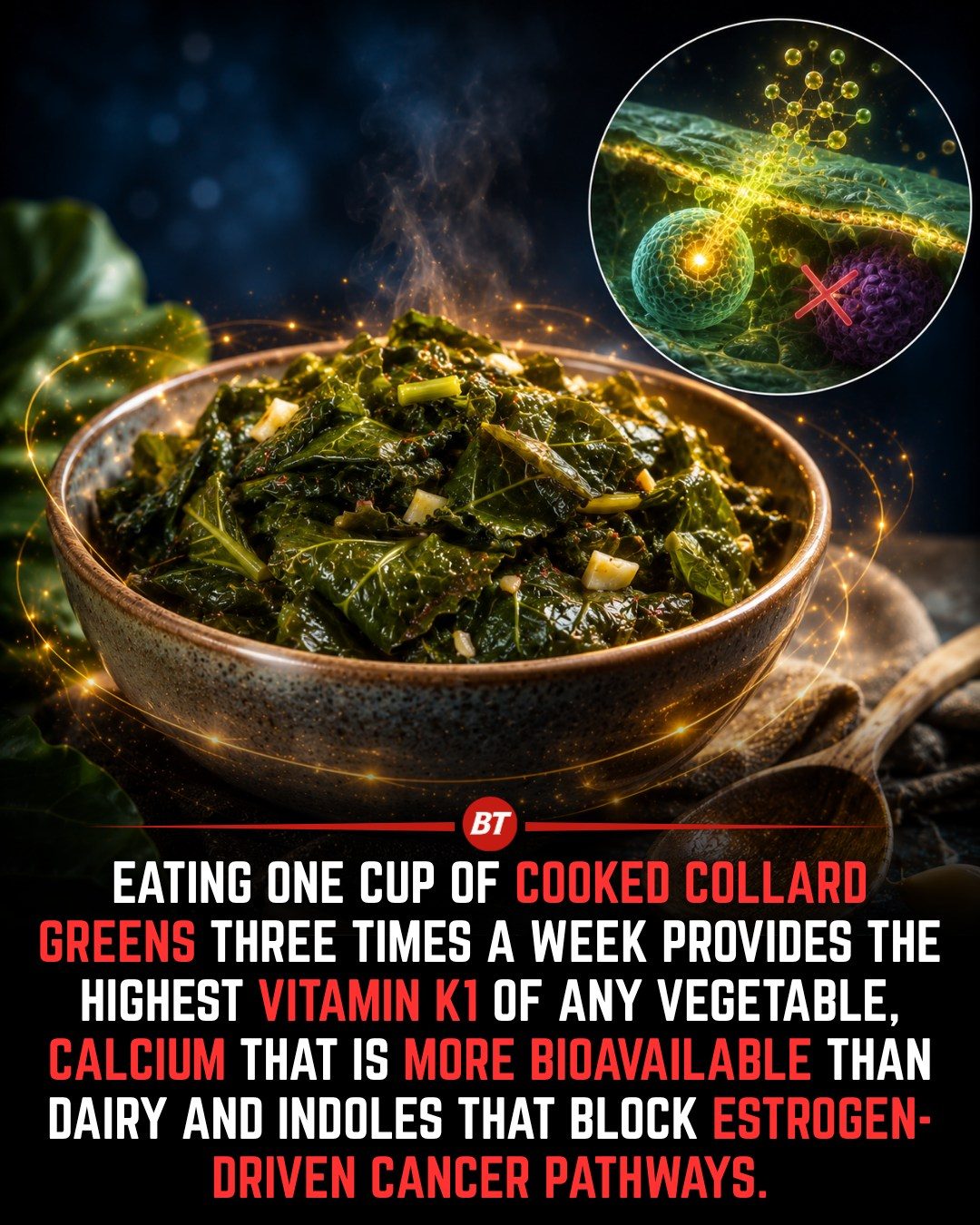
Collard Greens: A Nutrient-dense Powerhouse
Collard greens are a powerhouse of nutrients, packed with essential vitamins and minerals. They offer a range of health benefits, making them a valuable addition to any diet. Let's dive into what makes collard greens a standout vegetable.
Why Collard Greens Matter
Nutrient-dense leafy vegetables like collard greens provide a treasure trove of health benefits. They are exceptionally rich in vitamin K1, a crucial nutrient for normal blood clotting and bone health. Collard greens can deliver well over 100% of your daily vitamin K needs with just one cup of cooked greens. But the benefits don't stop at vitamin K.
Collard greens are also a superior plant source of calcium. Unlike many other vegetables, collard greens are naturally low in oxalates, which are compounds that inhibit calcium absorption. This means your body can absorb a higher proportion of the calcium they contain, making them one of the best vegetable sources of bioavailable calcium.
The Nutritional Breakdown
Vitamin K1
Vitamin K1 is vital for normal blood clotting, which is crucial for wound healing and preventing excessive bleeding. It also plays a significant role in bone health, helping to direct calcium into bones where it is needed most. This is particularly important for maintaining bone mineral density and reducing the risk of fractures. Studies have shown that eating one cup of cooked collard greens three times a week can provide the highest Vitamin K1 of any vegetable.
Calcium
Collard greens contain calcium that is more bioavailable than dairy. This is due to their low oxalate content, which reduces the binding of calcium to other compounds in the body, making it more readily available for absorption. This makes collard greens an excellent choice for those looking to increase their calcium intake without relying on dairy products.
Indoles and Glucosinolates
Collard greens are part of the cruciferous vegetable family, which also includes broccoli, kale, and cabbage. These vegetables contain glucosinolates, which are converted into bioactive compounds like indole-3-carbinol (I3C) and diindolylmethane (DIM). These compounds have been studied for their antioxidant properties and their potential role in supporting healthy estrogen metabolism and normal cellular function. Recent research has highlighted their potential in blocking estrogen-driven cancer pathways.
Practical Tips for Cooking Collard Greens
Adding collard greens to your diet is easy and delicious. Here are a few practical tips to help you incorporate them into your meals:
Sautéing
Sautéing collard greens with a bit of extra virgin olive oil, garlic, and a squeeze of fresh lemon juice can enhance their flavor and make them a versatile side dish. The olive oil also helps improve the absorption of their fat-soluble nutrients.
Adding to Soups and Stews
Collard greens can be a hearty addition to soups, stews, and grain bowls. Their slightly bitter flavor pairs well with rich, savory dishes, adding depth and nutritional value.
Pairing with Healthy Fats
Collard greens are best enjoyed when paired with a source of healthy fat, such as olive oil or avocado. These fats help improve the absorption of the greens' fat-soluble nutrients, making them more bioavailable.
Important Takeaways
Eating one cup of cooked collard greens three times a week can provide the highest Vitamin K1 of any vegetable. They also contain calcium that is more bioavailable than dairy, making them a valuable addition to a balanced diet.
Collard greens are rich in glucosinolates, which are converted into bioactive compounds like indole-3-carbinol (I3C) and diindolylmethane (DIM). These compounds have antioxidant properties and support healthy estrogen metabolism and normal cellular function. Scientists are continuing to study how these compounds influence cancer risk in humans.
Conclusion
Collard greens are a powerhouse of nutrients, packed with essential vitamins and minerals that support overall health. Their high vitamin K1 content, bioavailable calcium, and beneficial compounds like I3C and DIM make them a valuable addition to any diet. Incorporating collard greens into your meals can enhance your nutritional intake and support your overall well-being.
Watch the Reel
Questions readers ask
What makes collard greens a standout vegetable in terms of nutrition?
Collard greens are particularly notable for their high concentration of vitamin K1 and calcium. They provide over 100% of the daily vitamin K needs in just one cup of cooked greens, and they're a low-oxalate source of calcium, which is beneficial for bone health.
How do collard greens support bone health?
Collard greens support bone health through their high content of vitamin K1, which is essential for bone metabolism and blood clotting. Additionally, they provide bioavailable calcium, which is crucial for maintaining strong bones, especially for those who may need a low-oxalate source of calcium.
What are the benefits of eating collard greens for overall health?
Consuming collard greens offers a range of benefits. They support heart health, improve digestion, and boost the immune system. They also play a role in estrogen metabolism, which can be beneficial for hormonal balance.
How do collard greens compare to other nutrient-dense vegetables?
Collard greens stand out among other nutrient-dense vegetables due to their exceptional vitamin K1 and calcium content. They are particularly beneficial for those seeking low-oxalate sources of these nutrients, making them a top choice for supporting bone health.
What nutrients are particularly abundant in collard greens?
Collard greens are rich in vitamin K1 and calcium, both of which are essential for various bodily functions. They also contain other important vitamins and minerals, including vitamins A and C, as well as antioxidants that support overall health.
Why are cooked collard greens especially beneficial?
Cooked collard greens are especially beneficial because the cooking process helps to break down some of the tough fibers, making the nutrients more accessible. Additionally, cooking can enhance the bioavailability of certain nutrients, such as calcium, making them easier for the body to absorb.
Can collard greens help regulate metabolism?
Yes, collard greens can aid in metabolism regulation. They are rich in various vitamins and minerals that play roles in metabolic processes, and their high fiber content can help maintain a healthy metabolism, particularly by promoting healthy digestion and nutrient absorption.
Related deep dives
Similar reads based on topic and creator.




Recent articles
Fresh deep dives from the latest Reels we unpacked.




Comments
Be the first to comment.