Lead and Heavy Metals in Toothpaste: A Closer Look at Recent Concerns
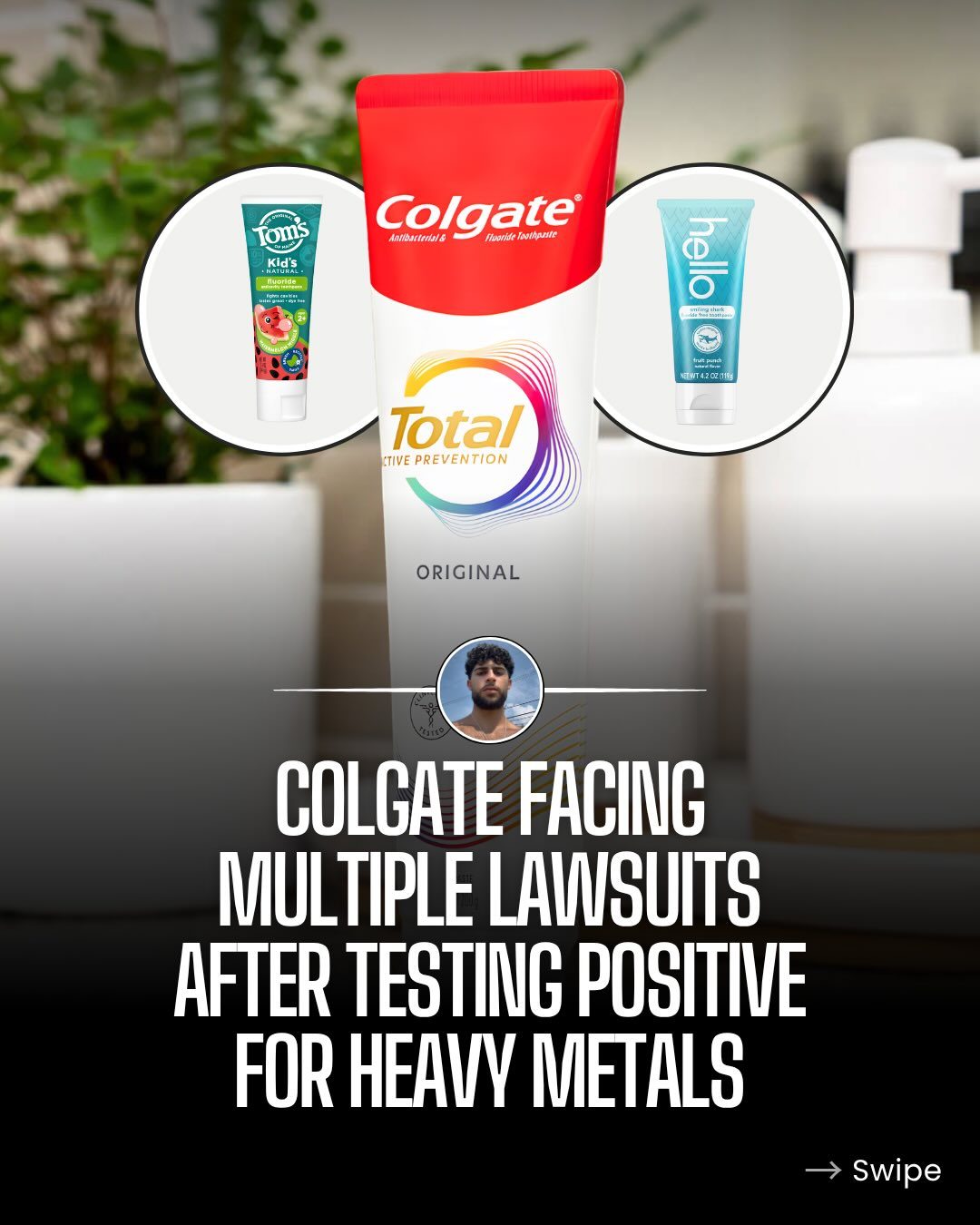
The discovery of lead, arsenic, and mercury in popular toothpaste brands like Colgate, Tom’s of Maine, and Hello Kids has sparked significant concern and legal action. Recent independent research has revealed alarmingly high levels of these heavy metals, raising questions about safety and consumer protection. Let’s dive into the details of these findings and understand the implications for consumers.
What Are the Heavy Metals Found in Toothpaste?
The heavy metals found in toothpaste include lead, arsenic, and mercury. These substances are known neurotoxins, meaning they can adversely affect the nervous system. Specifically, the independent research found lead levels ranging from 236 to 658 parts per billion, along with detectable levels of mercury and arsenic. These levels are concerning because there is no established safe level for these metals in consumer products, especially those intended for daily use like toothpaste.
The Lawsuits Against Colgate
Colgate, one of the brands implicated in these findings, is facing multiple lawsuits. The plaintiffs allege that Colgate failed to disclose the presence of these heavy metals in their products, despite marketing them as safe for consumers, including children. The lawsuits seek damages and claim violations of consumer protection laws. This is a significant issue because heavy metals can accumulate in the body over time, posing long-term health risks, especially for vulnerable populations like children.
The Impact on Other Brands
While Colgate is the primary focus of the lawsuits, other brands mentioned in the research include Tom’s of Maine and Hello Kids. These brands are also under scrutiny for similar issues, highlighting a broader problem within the toothpaste industry. The presence of heavy metals in these products raises questions about manufacturing processes, quality control, and regulatory oversight.
What Do These Findings Mean for Consumers?
For consumers, these findings are a wake-up call to be more vigilant about the products they use daily. The discovery of heavy metals in toothpaste underscores the importance of transparency and accountability in the health and beauty industry. Consumers should look for products that are certified free from heavy metals and review product labels carefully. It’s also crucial to stay informed about ongoing legal actions and regulatory changes that may affect product safety.
Practical Tips for Safeguarding Oral Health
Given the recent concerns about heavy metals in toothpaste, here are some practical tips to ensure your oral health is not compromised:
Choose Reputable Brands
Opt for brands known for their stringent quality control measures and transparency. Look for brands that publicly disclose their ingredient lists and testing procedures.
Read Labels Carefully
Check the labels of your toothpaste for any indications of heavy metals. While current regulations may not require listing these contaminants, some brands may voluntarily disclose such information.
Consider Natural Alternatives
Explore natural or organic toothpaste options that do not contain synthetic ingredients. These products often prioritize natural ingredients and may have lower risks of contamination.
Stay Informed
Keep up with the latest news and research on product safety. Follow trusted sources for updates on recalls, lawsuits, and regulatory changes that might affect your health products.
Consult a Dentist
Regular dental check-ups can help monitor your oral health and provide professional advice tailored to your specific needs. Dentists can also recommend toothpaste brands that are safe and effective.
Important Takeaways
The recent findings of lead, arsenic, and mercury in toothpaste brands like Colgate, Tom’s of Maine, and Hello Kids highlight the critical need for stricter regulations and consumer awareness. Heavy metals in toothpaste pose significant health risks, especially for children. Consumers should be proactive in choosing safe and transparent products and staying informed about ongoing legal actions and safety standards.
Conclusion
The discovery of heavy metals in popular toothpaste brands is a serious concern that affects consumer trust and public health. While the legal actions against Colgate and other brands are ongoing, it is essential for consumers to remain vigilant and make informed choices. By choosing reputable brands, reading labels carefully, considering natural alternatives, staying informed, and consulting dental professionals, consumers can safeguard their oral health and mitigate the risks associated with heavy metal contamination.
Watch the Reel
Questions readers ask
What heavy metals have been found in Colgate toothpaste?
Recent findings have identified lead, arsenic, and mercury in Colgate toothpaste. These metals are known to pose health risks, particularly to children, as they can accumulate in the body over time.
What are the potential health risks associated with heavy metals in toothpaste?
The heavy metals found in toothpaste, such as lead, arsenic, and mercury, are neurotoxins that can adversely affect the nervous system. Long-term exposure to these metals can lead to serious health issues, especially in children, as they are more susceptible to the harmful effects of these toxins.
How do heavy metals end up in toothpaste?
Heavy metals can enter toothpaste through various sources, including contamination from raw materials, manufacturing processes, or even during the packaging phase. These contaminants can accumulate in the body over time, posing potential health risks to consumers.
What are the legal actions taken against Colgate regarding heavy metals in toothpaste?
Several legal actions have been initiated against Colgate due to the discovery of heavy metals in their toothpaste products. These lawsuits often highlight the potential health risks for consumers and seek to hold the company accountable for any product recalls, as well as compensation for affected consumers.
What should consumers do if they have been using Colgate toothpaste?
Consumers who have been using Colgate toothpaste, or any other products that may have been affected, should consult with a healthcare provider for advice. They may also consider reaching out to a legal professional to understand their options regarding the ongoing lawsuits and potential compensation.
Are there safer alternatives to Colgate toothpaste?
It is recommended to look for products that provide transparency in their ingredient list and manufacturing processes. Consumers might also check the authenticity of the products, and look at the company's reputation, customer reviews, and any recalls to ensure the safety and quality of the toothpaste. Seek brands that prioritize consumer safety and have a record of clear safety disclosure.
What are the implications of heavy metal accumulation in the body?
The accumulation of heavy metals like lead, arsenic, and mercury in the body can lead to a variety of health issues, including neurological damage, developmental delays, and other serious conditions. This is especially concerning for children, whose bodies are still developing and are more vulnerable to these toxins.
Recent articles
Fresh deep dives from the latest Reels we unpacked.




Comments
Be the first to comment.