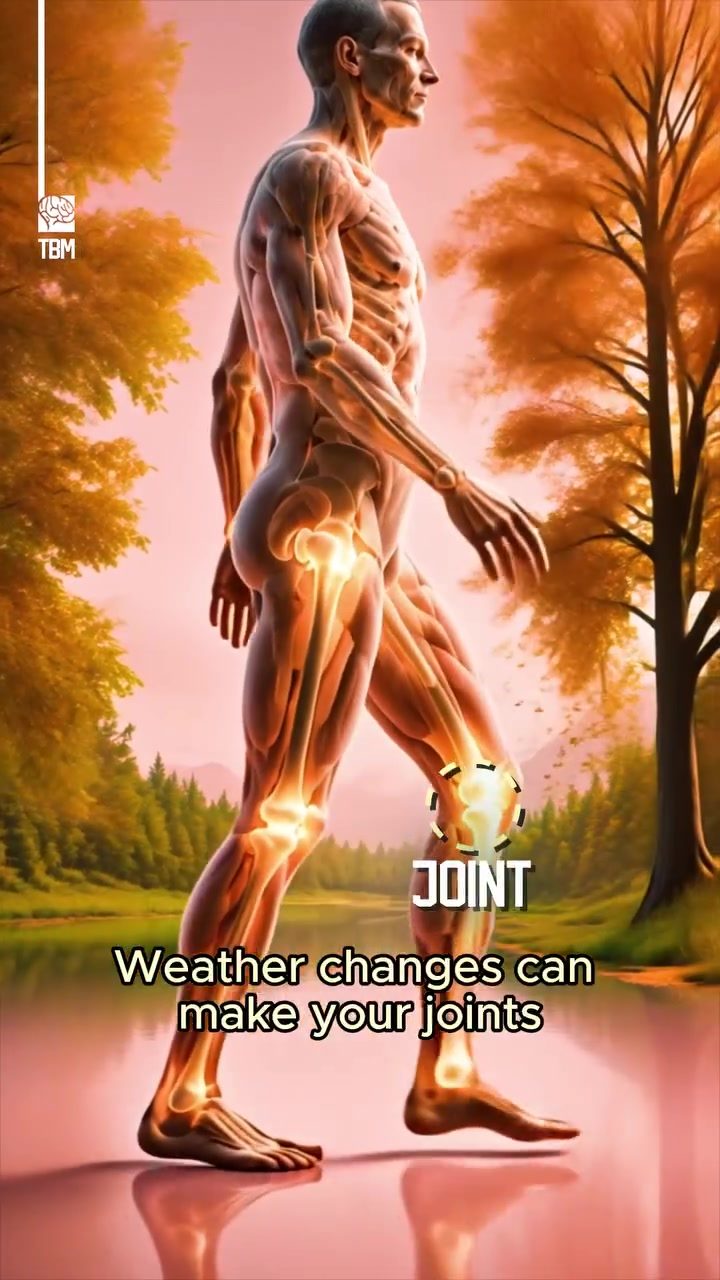
Why Cold Weather Makes Joints Stiff
Experiencing joint stiffness can be frustrating, especially when it seems to coincide with changes in the weather. Many people notice that their joints feel stiffer during cold weather or before a rainstorm. Understanding the underlying mechanisms can help manage these temporary discomforts and maintain mobility.
Context: Why This Matters
Weather changes, particularly drops in temperature and shifts in air pressure, can temporarily affect how your joints feel. While these changes do not cause lasting damage to healthy joints, they can create stiffness and reduced mobility. It is essential to recognize these effects to better manage joint discomfort and maintain overall well-being.
Understanding Joint Stiffness and Weather Changes
The Role of Air Pressure
Falling air pressure, often associated with incoming weather changes, can influence how your joints feel. When air pressure drops, it allows the tissues around your joints to expand slightly. This expansion increases the pressure on sensitive nerves, leading to a feeling of stiffness and discomfort. The effect is similar to the sensation experienced when you change altitude or dive underwater.
The Impact of Cold Temperatures
Cold weather tends to make muscles, tendons, and ligaments tighter. This tightening can reduce the flexibility of your joints, leading to a feeling of stiffness. When the temperature drops, your body may also experience reduced blood flow to the extremities, which can exacerbate this effect. The combination of tighter tissues and reduced blood flow can make your joints feel less mobile and more uncomfortable.
How Weather Affects Different Joints
Different joints in the body can be affected in varying degrees by weather changes. For example, the knees are some of the most commonly affected joints. The knee joint is a complex structure involving bones, cartilage, ligaments, and tendons, all of which can be influenced by changes in air pressure and temperature. Similarly, joints in the hands, feet, and back can also be impacted, particularly in individuals with pre-existing conditions like arthritis.
Arthritis and Weather Sensitivity
For those with arthritis, the effects of weather changes on joints can be even more noticeable. Arthritis involves inflammation and damage to the joints, making them more sensitive to changes in the environment. Cold weather and shifts in air pressure can exacerbate symptoms, leading to increased pain, stiffness, and reduced mobility. Managing arthritis in varying weather conditions often requires a combination of lifestyle adjustments, medication, and physical therapy.
Practical Tips for Managing Joint Stiffness
Stay Active
Maintaining an active lifestyle is crucial for managing joint stiffness, especially during cold weather. Regular exercise helps keep your joints flexible and improves overall mobility. Engaging in low-impact activities like swimming, walking, or yoga can be particularly beneficial. Before starting any new exercise routine, consult with a healthcare provider to ensure it is suitable for your specific needs.
Dress Warmly
Wearing warm clothing can help mitigate the effects of cold weather on your joints. Layering your clothes and choosing fabrics that retain heat can keep your body warm and maintain optimal blood flow to your extremities. This can reduce the stiffness and discomfort often experienced in cold temperatures.
Maintain a Healthy Diet
A balanced diet rich in anti-inflammatory foods can help manage joint stiffness and discomfort. Foods high in omega-3 fatty acids, such as fish, nuts, and seeds, can reduce inflammation in the body. Additionally, incorporating fruits, vegetables, and whole grains into your diet can support overall joint health.
Use Heat Therapy
Applying heat to stiff joints can provide temporary relief. Techniques such as using a heating pad, taking a warm bath, or applying a heat wrap can improve blood circulation and relax tight muscles. Heat therapy can be particularly effective before engaging in physical activities, as it helps prepare the joints for movement.
Stay Hydrated
Proper hydration is essential for maintaining joint health. The cartilage in your joints is made up of about 80% water, and staying hydrated helps keep it lubricated and flexible. Drinking an adequate amount of water throughout the day can help reduce stiffness and discomfort, especially during changes in weather.
Important Takeaways
Understanding how weather changes affect your joints can help you better manage discomfort and maintain mobility. Key points to remember include:
- Falling air pressure can cause tissues around joints to expand, increasing pressure on sensitive nerves.
- Cold temperatures make muscles, tendons, and ligaments tighter, reducing joint flexibility.
- Arthritis can exacerbate the effects of weather changes on joints, making symptoms more noticeable.
- Staying active, dressing warmly, maintaining a healthy diet, using heat therapy, and staying hydrated can help manage joint stiffness.
Conclusion
Joint stiffness caused by weather changes can be a temporary but uncomfortable experience. By understanding the underlying mechanisms and implementing practical strategies, you can manage discomfort and maintain joint health. Whether you are dealing with occasional stiffness or managing a chronic condition like arthritis, taking proactive steps can make a significant difference in your overall well-being.
Watch the Reel
Questions readers ask
Why do my joints feel stiffer in cold weather?
Cold weather can cause joints to stiffen due to the thickening of the fluids within the joints, known as synovial fluid. This thickening can reduce the lubrication between the bones, leading to temporary discomfort and reduced mobility.
Can changes in air pressure affect my joints?
Yes, shifts in barometric pressure can cause the tissues around your joints to expand and contract, leading to inflammation and increased pressure within the joints. This can result in temporary joint stiffness and pain, especially in those with existing joint conditions.
What are some tips for managing joint stiffness in cold weather?
To manage joint stiffness in cold weather, consider wearing layered clothing to keep your body warm, engaging in gentle exercise to promote blood flow, and using heat packs or warm compresses to soothe stiff joints. Additionally, maintaining a balanced diet and staying hydrated can support overall joint health.
Why do I experience joint pain before a rainstorm?
Before a rainstorm, the drop in air pressure can cause the tissues around your joints to expand, leading to increased pressure and inflammation. This can result in temporary joint pain and stiffness, even if the weather is not particularly cold.
Can I prevent joint stiffness caused by cold weather?
While you can't completely prevent joint stiffness caused by cold weather, you can take steps to mitigate its effects. Regular physical activity, a balanced diet, and proper warm-up routines can help maintain joint flexibility and reduce the impact of cold weather on your joints.
Are there any specific exercises to help with cold weather joint pain?
Gentle exercises like walking, swimming, or yoga can help improve blood flow and reduce joint stiffness. Strengthening the muscles around your joints can also provide better support and stability, making it easier to manage cold weather joint pain.
Should I consult a healthcare provider for joint stiffness in cold weather?
If joint stiffness in cold weather is severe, persistent, or accompanied by other symptoms like swelling or redness, it is important to consult a healthcare provider. They can help determine if an underlying condition is causing your discomfort and provide appropriate care and treatment.
Related deep dives
Similar reads based on topic and creator.




Recent articles
Fresh deep dives from the latest Reels we unpacked.




Comments
Be the first to comment.