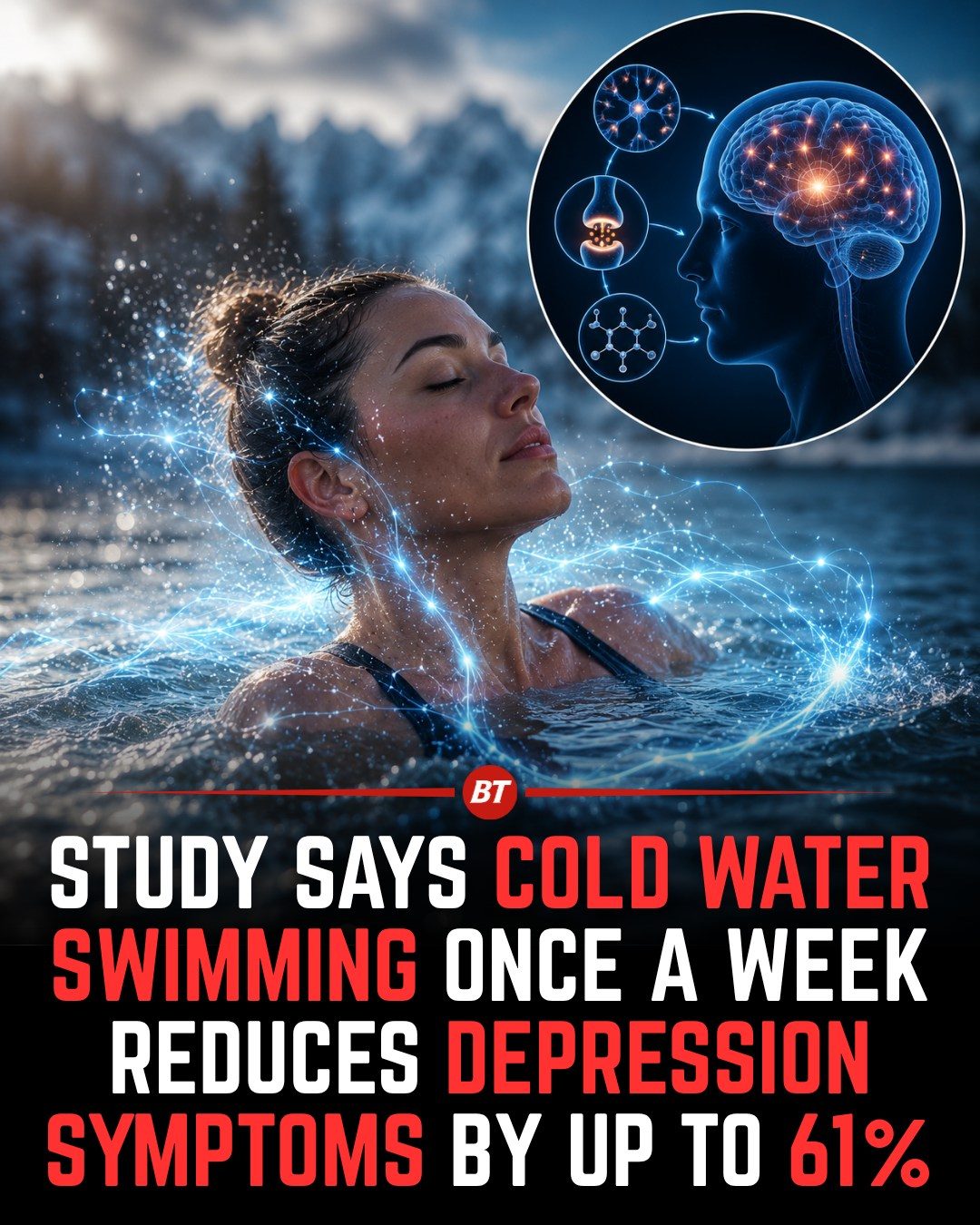
Cold Water Swimming and Depression
Cold water swimming has emerged as a topic of interest in the health and wellness community, particularly for its potential benefits on mental health. This practice involves immersing oneself in cold water, typically from natural sources like lakes or oceans, and has been studied for its effects on the brain, nervous system, and mood.
Why This Matters
Mental health is a critical aspect of overall well-being, and finding effective strategies to manage conditions like depression is a growing area of research. Cold water swimming offers a unique approach that combines physical activity with exposure to cold temperatures, which has been shown to have significant benefits on mood and emotional resilience.
The Science Behind Cold Water Swimming
Neurotransmitter Release
When the body is exposed to cold water, it triggers the release of various neurotransmitters. These include dopamine, norepinephrine, and endorphins, all of which are associated with improved mood, alertness, and emotional resilience. Dopamine, for instance, is often referred to as the "feel-good" hormone, while norepinephrine helps regulate mood and energy levels. Endorphins act as natural painkillers and mood elevators.
Mood and Stress Reduction
Researchers have found that regular cold water swimmers report significant improvements in mood, stress levels, and overall well-being. One study involving individuals who swim in cold water regularly observed substantial reductions in symptoms of depression, anxiety, and negative mood states. This has led scientists to investigate cold exposure as a potential tool for supporting mental health.
The Fight-or-Flight Response
Cold water also activates the body's "fight-or-flight" response in a controlled manner. This response is part of the body's natural stress reaction, but when triggered by cold water, it can help train the nervous system to become more resilient to everyday stress. Over time, many regular cold-water swimmers report improved mood, greater energy, and a stronger sense of mental clarity.
Reduced Inflammation and Increased Circulation
Scientists believe that the combination of neurotransmitter release, reduced inflammation, increased circulation, and psychological resilience may explain why cold-water swimming continues to show promise in mental health research. The cooling effect on the body can help reduce inflammation, which is often linked to various health issues, including depression.
Practical Tips for Cold Water Swimming
Safety First
Before diving into cold water swimming, it is crucial to prioritize safety. Always start with brief exposures to cool water and gradually increase the duration and frequency of your swims. If you have any heart conditions or other medical concerns, consult with a healthcare provider before beginning.
Proper Preparation
Wear appropriate clothing, such as a wetsuit, to keep your body warm and safe. Always swim with a buddy or in a supervised area to ensure safety. Gradually acclimate your body to the cold water by starting with shorter swims and slowly increasing the duration and frequency.
Frequency and Duration
Based on studies, swimming once a week can lead to significant benefits. Aim for a consistent routine, as regular exposure to cold water is key to reaping the mental health benefits. Start with 10-15 minutes and gradually work your way up to longer swims as your body adapts.
Important Takeaways
Cold water swimming offers a range of potential benefits for mental health, including the release of mood-enhancing neurotransmitters, reduced stress levels, and improved emotional resilience. Regular practice can lead to significant reductions in symptoms of depression and anxiety. However, it is essential to approach cold water swimming with caution, especially for those with medical conditions.
Conclusion
If you're looking for a natural way to enhance your mental well-being, consider incorporating cold water swimming into your routine. The combination of physical activity and cold exposure can have a profound impact on your mood and overall sense of well-being. Always prioritize safety and consult with a healthcare provider if you have any concerns.
Watch the Reel
Questions readers ask
How does cold water swimming help reduce depression symptoms?
Cold water swimming helps reduce depression symptoms by triggering the release of mood-enhancing neurotransmitters, such as endorphins, and activating the body's stress response, which can promote resilience. This combination of physical activity and cold exposure works to improve overall mood and emotional well-being.
What are the immediate benefits of cold water swimming on the brain?
Immediate benefits of cold water swimming include the stimulation of the vagus nerve, which can help regulate mood and reduce feelings of depression. Additionally, the cold water stimulates the release of norepinephrine, a neurotransmitter that can improve mood and focus.
Can cold water swimming improve resilience to stress?
Yes, cold water swimming can improve resilience to stress by activating the body's natural stress response. This process, known as hormesis, helps the body adapt to stress and build resilience over time, making it more resilient to future stressors.
What role does the nervous system play in the mental health benefits of cold water swimming?
The nervous system plays a crucial role by activating the body's fight-or-flight response, which can help regulate mood and reduce symptoms of depression. The cold water stimulates the nervous system, leading to the release of mood-enhancing chemicals and a reduction in symptoms of depression.
How often should I swim in cold water to see benefits for my mental health?
To see benefits for mental health, it's recommended to start with brief immersions, such as 1-2 minutes, and gradually increase the duration as your body adapts. Consistency is key, so aim for regular sessions, such as 2-3 times per week, to experience the full benefits for your mental health, including mood improvement and depression resilience.
Is it safe to swim in cold water for everyone?
Cold water swimming can be invigorating and beneficial, but it's not suitable for everyone. Always consult with a healthcare provider before starting, especially if you have any pre-existing medical conditions, such as heart disease, or are pregnant. It's also important to be aware of water safety and never swim alone in cold water.
Related deep dives
Similar reads based on topic and creator.




Recent articles
Fresh deep dives from the latest Reels we unpacked.




Comments
Be the first to comment.