Pasta and Blood Sugar
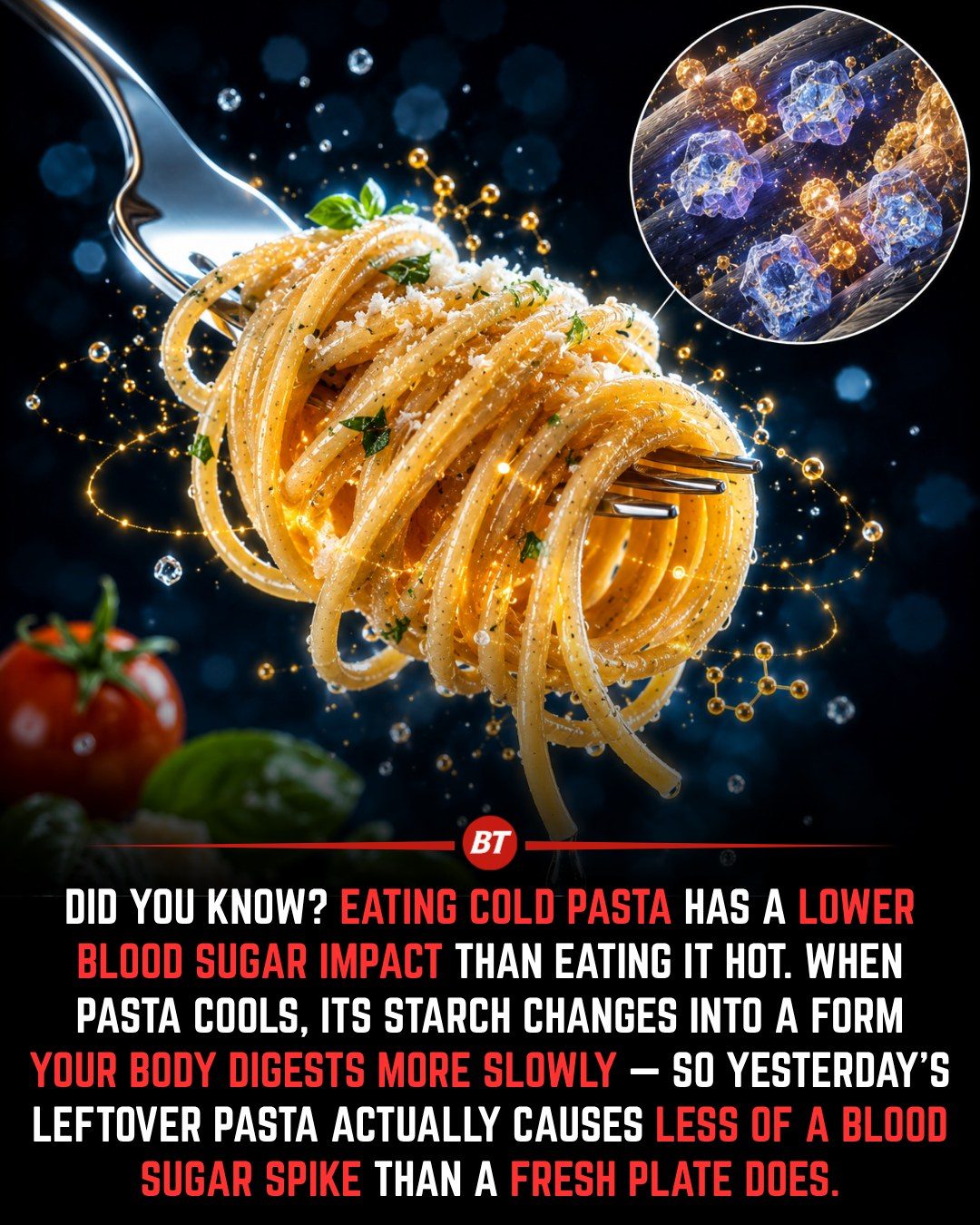
Pasta is a staple in many diets around the world, but did you know that the temperature at which you eat it can affect your blood sugar levels? Eating cold pasta can have a lower impact on your blood sugar compared to eating it hot. This phenomenon is due to a fascinating change in the starch as pasta cools.
Why This Matters
Understanding how the body processes different forms of starch can help in managing blood sugar levels. By knowing that cooled pasta can cause a lower blood sugar spike, you can make more informed choices about when and how to eat your meals. This is particularly relevant for those looking to manage their blood sugar levels more effectively.
The Science of Starch
Starch is a type of carbohydrate found in many foods, including pasta. When pasta is cooked, much of its starch becomes easily digestible. This means your body can quickly break it down into glucose, causing a rapid rise in blood sugar levels. However, as pasta cools, some of the starch undergoes a natural process called retrogradation. This process transforms the starch into a form called resistant starch.
Resistant starch is a type of carbohydrate that resists digestion in the small intestine. Instead of being absorbed quickly, it travels to the colon, where it is fermented by beneficial gut bacteria. This fermentation process produces short-chain fatty acids, particularly butyrate, which helps nourish the cells lining your colon and supports a healthy gut microbiome.
The Impact of Cooling Pasta
When you eat cooled pasta, the resistant starch it contains means that less starch is rapidly converted into glucose. This results in a smaller rise in blood sugar compared to eating the same pasta immediately after cooking. This effect is supported by research published in several reputable journals, including Nutrition & Diabetes, the European Journal of Clinical Nutrition, and Nutrients.
Preparing Pasta for Lower Blood Sugar Impact
To take advantage of this phenomenon, you can cook pasta ahead of time and refrigerate it overnight. This allows the starch to undergo retrogradation, transforming some of it into resistant starch. You can then enjoy the pasta cold in a pasta salad or gently reheat it the next day. Pairing it with lean protein, olive oil, and vegetables can further enhance the meal's nutritional benefits, providing a steadier blood sugar response and a rich source of fiber, healthy fats, and nutrients.
Practical Tips
Meal Planning
Cooking pasta ahead of time and storing it in the refrigerator can save time and make meal planning easier. You can prep a batch of pasta on the weekend and use it throughout the week in salads, pasta dishes, or as a side.
Dietary Choices
Being mindful of when and how you eat pasta can help manage your blood sugar. For example, if you know you'll be having a higher-carb meal later, consider having cooled pasta for lunch. This can help balance out your blood sugar levels throughout the day.
Cooling and Reheating
Do not skip the cooling step if your goal is to reduce the blood sugar impact. The retrogradation process is crucial for transforming starch into its resistant form. If you've stored your pasta and want to enjoy it hot, make sure to reheat it gently to preserve as much of the resistant starch as possible.
Important Takeaways
Cold pasta can be a healthier option for managing blood sugar levels due to the formation of resistant starch. This transformation occurs as the pasta cools, making it a better choice for those looking to keep their blood sugar levels stable. While the difference may not be large enough to turn pasta into a low-carb food, it's a good example of how meal preparation can influence nutritional outcomes. By cooking pasta ahead of time and allowing it to cool, you can create meals that are both convenient and beneficial for your health.
Conclusion
The way you prepare and consume pasta can significantly impact its effect on your blood sugar levels. By understanding the science behind starch and retrogradation, you can make smarter choices about your pasta meals. Incorporating cooled or reheated pasta into your diet can be a simple yet effective way to promote better blood sugar control and overall health.
Watch the Reel
Questions readers ask
How does cold pasta help in controlling blood sugar levels?
Cold pasta contains resistant starch, which slows down digestion. This leads to a gradual increase in blood sugar levels, rather than a sudden spike. This makes it a beneficial choice for those aiming to manage their blood sugar more effectively.
What is resistant starch and how does it form in pasta?
Resistant starch is a type of starch that resists digestion in the small intestine and acts more like fiber. When pasta is cooked and then cooled, some of its starch transforms into this resistant form, which can aid in managing blood sugar levels.
Is it better to eat pasta hot or cold for blood sugar management?
Eating pasta cold is better for blood sugar management. The cooling process increases the amount of resistant starch, which slows down digestion and helps maintain more stable blood sugar levels.
Can eating cold pasta help with weight management as well?
Yes, eating cold pasta can help with weight management. The resistant starch in cold pasta can increase feelings of fullness and reduce overall calorie intake. This, combined with better blood sugar control, can support weight management goals.
Why do pasta leftovers have benefits for blood sugar control?
Pasta leftovers have benefits for blood sugar control because the cooling process converts some of the pasta's starch into a resistant form. This resistant starch slows digestion, leading to a more gradual release of glucose into the bloodstream.
How long should pasta be cooled to gain the blood sugar benefits?
To gain the blood sugar benefits, pasta should be cooled to room temperature or lower. The process of cooling initiates the transformation of starch into the resistant form, which can occur within a few hours of refrigeration.
Can other foods besides pasta also form resistant starch when cooled?
Yes, other foods containing starch, such as potatoes and rice, can also form resistant starch when cooked and then cooled. This makes them potential options for managing blood sugar levels, similar to cold pasta.
Related deep dives
Similar reads based on topic and creator.




Recent articles
Fresh deep dives from the latest Reels we unpacked.




Comments
Be the first to comment.