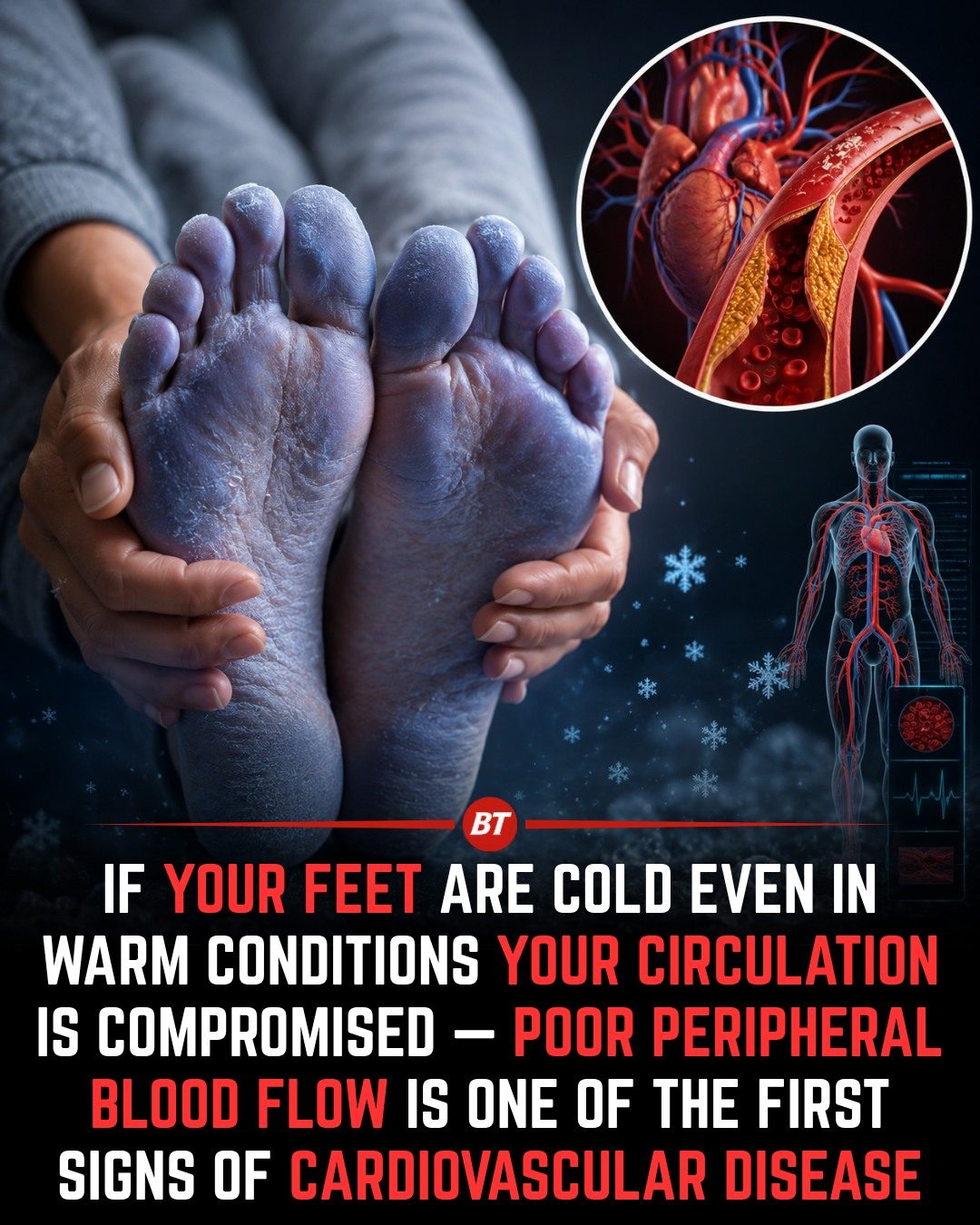
Poor Circulation
Cold feet, even in warm conditions, can be a surprising and concerning symptom. They are often overlooked as merely a result of cold weather, but they can indicate something more serious: poor circulation.
Why This Matters
Understanding the signs of poor circulation is crucial for maintaining overall health and well-being. The feet, being the farthest from the heart, are among the first body parts to show signs of circulation issues. This early detection can help in addressing potential underlying conditions before they become more severe.
Main Discussion
Causes of Poor Circulation
Poor circulation can be caused by a variety of factors, including:
- Peripheral Artery Disease (PAD): This condition occurs when the arteries that supply blood to the limbs become narrowed or blocked, often due to the buildup of plaque.
- Diabetes: High blood sugar levels can damage blood vessels over time, leading to poor circulation.
- Smoking: Tobacco use can damage blood vessels and reduce blood flow, contributing to poor circulation.
- Cardiovascular Disease: Conditions such as heart disease and hypertension can affect the efficiency of blood flow throughout the body.
Symptoms of Poor Circulation
While cold feet are a common symptom, there are other signs to watch for:
- Leg Cramping: Pain or cramping in the legs, especially during physical activity, can indicate poor circulation.
- Numbness or Tingling: A loss of sensation or tingling in the extremities can be a sign of reduced blood flow.
- Slow-Healing Wounds: Poor circulation can impair the body's ability to heal, leading to wounds that take a long time to heal.
- Discolored Toes: Changes in skin color, such as a blueish tint, can indicate poor blood flow to the extremities.
The Role of the Feet
The feet are particularly sensitive to changes in blood flow. Because they are the farthest from the heart, the extremities are often the first places where subtle changes in circulation become noticeable. When blood vessels narrow or circulation becomes less efficient, the feet may receive less warm, oxygen-rich blood, causing them to feel cold, even when the room temperature is comfortable.
Practical Tips
When to Seek Medical Attention
If you experience persistent cold feet, especially if they are a new symptom, it may be worth discussing with a healthcare professional. This is particularly important if you have risk factors such as:
- Smoking
- Diabetes
- High Blood Pressure
- High Cholesterol
Lifestyle Changes
Certain lifestyle changes can help improve circulation:
- Regular Exercise: Physical activity can help improve blood flow and overall cardiovascular health.
- Healthy Diet: Eating a balanced diet rich in fruits, vegetables, and lean proteins can support healthy blood vessels.
- Avoid Smoking: Quitting smoking can significantly improve circulation and reduce the risk of vascular disease.
- Manage Stress: High stress levels can negatively impact circulation. Techniques such as meditation, yoga, and deep breathing can help manage stress levels.
Important Takeaways
- Cold Feet in Warm Conditions: This can be a sign of poor circulation.
- Early Detection: Recognizing the early signs of poor circulation in the extremities can help address underlying conditions.
- Seek Medical Attention: If you experience persistent cold feet, consult a healthcare professional, especially if you have risk factors for cardiovascular disease.
Conclusion
Poor circulation can manifest in various ways, with cold feet being one of the most noticeable symptoms. Understanding the signs and taking proactive steps can help in maintaining overall health and well-being. Recognizing the early signs of poor circulation and addressing them promptly can prevent the development of more serious health issues. Regular check-ups and a healthy lifestyle can go a long way in ensuring that your circulatory system functions optimally, keeping your feet and the rest of your body healthy.
Watch the Reel
Questions readers ask
What are the common symptoms of poor circulation?
Symptoms of poor circulation can include cold feet in warm weather, numbness or tingling in the extremities, fatigue, dizziness, and changes in skin color. Poor circulation can also cause swelling, hair loss, and weak, brittle nails.
What are the main causes of poor circulation?
Poor circulation can be caused by various factors, including peripheral artery disease, diabetes, obesity, high blood pressure, high cholesterol, and a sedentary lifestyle. Smoking and certain medical conditions can also contribute to poor circulation.
Why do cold feet in warm weather indicate poor circulation?
Cold feet in warm weather are a sign of poor circulation because they indicate that blood is not flowing efficiently to the extremities. Since the feet are farthest from the heart, they are often the first to show signs of reduced blood flow.
When should I worry about cold feet and seek medical attention?
You should seek medical attention if you experience cold feet in warm weather along with other symptoms such as pain, numbness, or changes in skin color. If you have a history of heart disease, diabetes, or other circulatory issues, it's especially important to consult a healthcare professional.
How can I improve my circulation and prevent cold feet in warm weather?
Improving circulation can be achieved through regular physical activity, maintaining a healthy weight, eating a balanced diet, and quitting smoking. Regular exercise, such as walking, can help improve blood flow and reduce symptoms of poor circulation. Staying hydrated and managing stress can also help.
Can cold feet in warm weather be a sign of heart disease?
Yes, cold feet in warm weather can be an early sign of heart disease, as poor circulation can indicate underlying heart health issues. If you experience this symptom along with chest pain, shortness of breath, or other heart-related symptoms, consult a healthcare professional immediately.
What tests can be done to diagnose poor circulation?
Several tests can help diagnose poor circulation, including ankle-brachial index (ABI) test, Doppler ultrasound, and angiography. These tests can help identify the severity of circulation issues and determine the best course of treatment. A healthcare professional can recommend the most appropriate tests based on individual symptoms and health history.
Related deep dives
Similar reads based on topic and creator.




Recent articles
Fresh deep dives from the latest Reels we unpacked.




Comments
Be the first to comment.