Coffee Scalp Treatment: A Unique Approach to Hair Health
Coffee, a staple beverage for many, might have an unexpected role in promoting hair health. A study published in the International Journal of Dermatology discovered that caffeine applied directly to the scalp can block DHT, a hormone linked to hair loss in both men and women.
Why This Matters
DHT, or dihydrotestosterone, is a hormone that plays a significant role in androgenetic alopecia, the most common form of hair loss. By blocking DHT, caffeine can potentially counteract the shrinking effect it has on hair follicles, which can promote healthier hair growth over time. This finding is particularly exciting for those struggling with hair loss, as it offers a new, natural approach to managing the condition.
The Science Behind Coffee and Hair Loss
The Role of DHT in Hair Loss
DHT is a derivative of testosterone and is responsible for many of the physical characteristics associated with males. However, it also plays a significant role in hair loss. DHT can shrink hair follicles, leading to thinner, weaker hair. Over time, this can result in noticeable hair loss, particularly in the crown of the head in men and the front hairline in women.
How Caffeine Counteracts DHT
The study from the International Journal of Dermatology found that caffeine can penetrate the hair follicle and counteract the effects of DHT. This means that applying caffeine directly to the scalp can potentially block the hormone's shrinking effects, promoting healthier and stronger hair growth. The research highlighted that topical application of caffeine was more effective in reaching the follicles than consuming caffeine orally. This underscores the importance of direct application in achieving the desired results.
Topical Caffeine vs. Oral Caffeine
While coffee is a common source of caffeine, the study found that drinking coffee does not produce the same effects on hair follicles as topical application. This is because oral caffeine needs to be metabolized by the body, and its concentration decreases as it is absorbed. Direct application ensures that a high concentration of caffeine reaches the scalp and hair follicles, enhancing its effectiveness.
Methods of Applying Caffeine to the Scalp
Coffee Scalp Treatment
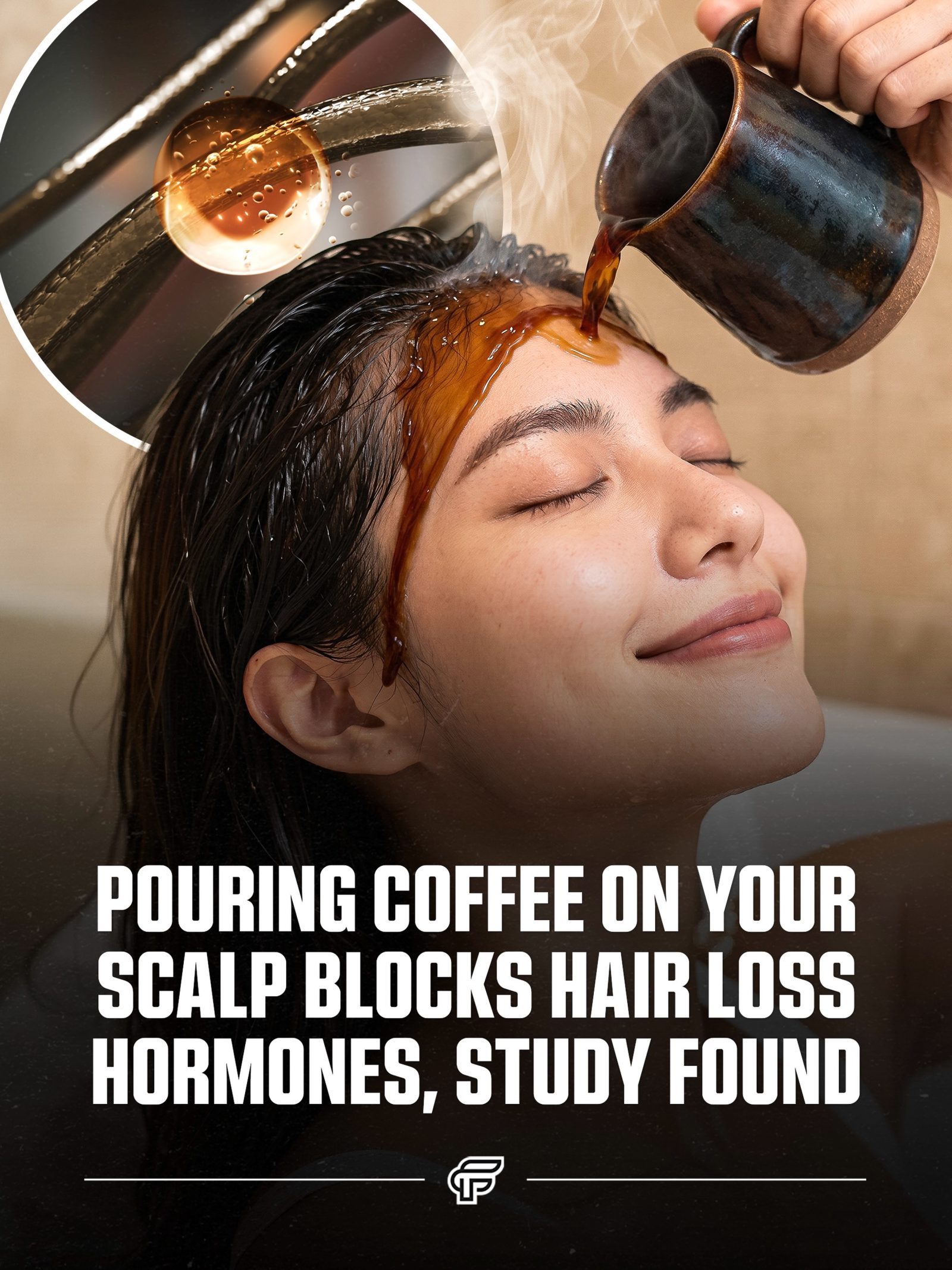
Pouring coffee directly onto the scalp as shown in the visual may not be the most practical method. However, it demonstrates the concept of applying caffeine directly to the scalp. Coffee contains caffeine, which can potentially block DHT and counteract its effects on hair follicles. While this method may not be aesthetically pleasing or convenient, it illustrates the potential benefits of topical caffeine application.
Caffeine-Infused Hair Products
Several hair loss brands have already begun incorporating caffeine into their shampoos and treatments. These products provide a more convenient and socially acceptable way to apply caffeine to the scalp. By using these products, individuals can benefit from the DHT-blocking properties of caffeine without the mess and inconvenience of pouring coffee on their heads.
DIY Caffeine Treatments
For those who prefer a more natural approach, DIY caffeine treatments can be an option. Brewing a strong cup of coffee and applying it to the scalp as a rinse or leave-in treatment can provide similar benefits. However, it's important to ensure that the coffee is not too hot to avoid scalp burns. Additionally, rinsing the coffee out after a few minutes can help prevent stains and residue.
Practical Tips for Using Caffeine to Treat Hair Loss
Consistency is Key
As with any hair treatment, consistency is crucial. Regular application of caffeine to the scalp can help maintain the benefits and promote continuous hair growth. Aim to apply caffeine to the scalp at least a few times a week for the best results.
Combine with Other Treatments
Caffeine can be a valuable addition to a comprehensive hair loss regimen. Combining it with other treatments, such as hair growth supplements, scalp massages, and a balanced diet, can enhance its effectiveness.
Monitor Hair Growth
Pay attention to your hair's response to the treatment. If you notice improvement in hair growth and thickness, continue the routine. If you do not see any changes, it may be worth exploring other treatments or consulting a dermatologist.
Use Quality Products
Whether you opt for commercial caffeine-infused products or DIY treatments, ensure you use high-quality ingredients. For DIY treatments, use freshly brewed coffee to maximize the caffeine content. For commercial products, choose those from reputable brands that are known for their quality and effectiveness.
Important Takeaways
Applying caffeine directly to the scalp can block DHT, promoting healthier hair growth. This approach offers a natural and effective method to combat hair loss. However, it's important to note that while drinking coffee may provide some benefits, topical application is more effective. Whether you choose to use caffeine-infused hair products or DIY treatments, consistency and quality are key to achieving the best results.
Conclusion
The idea of pouring coffee on your scalp might sound unconventional, but the science behind it is grounded in real research. By blocking DHT, caffeine can counteract the effects of hair loss and promote healthier, stronger hair growth. While drinking coffee may not produce the same results, topical application of caffeine can be a valuable addition to any hair loss regimen. Whether you opt for commercial products or DIY treatments, incorporating caffeine into your hair care routine could be a game-changer for those struggling with hair loss.
Watch the Reel
Questions readers ask
How does coffee help in preventing hair loss?
Coffee contains caffeine, which has been shown to block DHT, a hormone that contributes to hair loss. By applying coffee directly to the scalp, it can help counteract the effects of DHT and promote healthier hair growth.
Can drinking coffee also help in reducing hair loss?
While applying coffee topically has shown promising results, there is limited evidence to suggest that drinking coffee alone can significantly impact hair loss. The benefits are more pronounced when caffeine is applied directly to the scalp.
What is DHT and how does it cause hair loss?
DHT, or dihydrotestosterone, is a hormone that plays a significant role in androgenetic alopecia, a common form of hair loss. DHT can shrink hair follicles, leading to thinner and weaker hair over time.
What are some natural remedies for hair loss besides coffee?
Other natural remedies for hair loss include using essential oils like peppermint or rosemary oil, massaging the scalp to increase blood flow, and maintaining a balanced diet rich in vitamins and minerals that support hair health.
How often should I apply a coffee scalp treatment for best results?
For optimal results, apply a coffee scalp treatment at least once a week. Consistency is key, as it allows the caffeine to continually block DHT and promote healthier hair growth over time.
Are there any side effects of using coffee on the scalp?
While coffee is generally safe for topical use, some individuals may experience skin irritation or allergic reactions. It's recommended to do a patch test before regular application to ensure there are no adverse reactions.
Can coffee treatments regrow lost hair?
Coffee treatments can help promote healthier hair growth and potentially slow down hair loss, but it may not regrow hair that has already been lost. For significant hair regrowth, it is recommended to combine this treatment with other hair loss therapies.
Recent articles
Fresh deep dives from the latest Reels we unpacked.




Comments
Be the first to comment.