Coffee and Liver Health
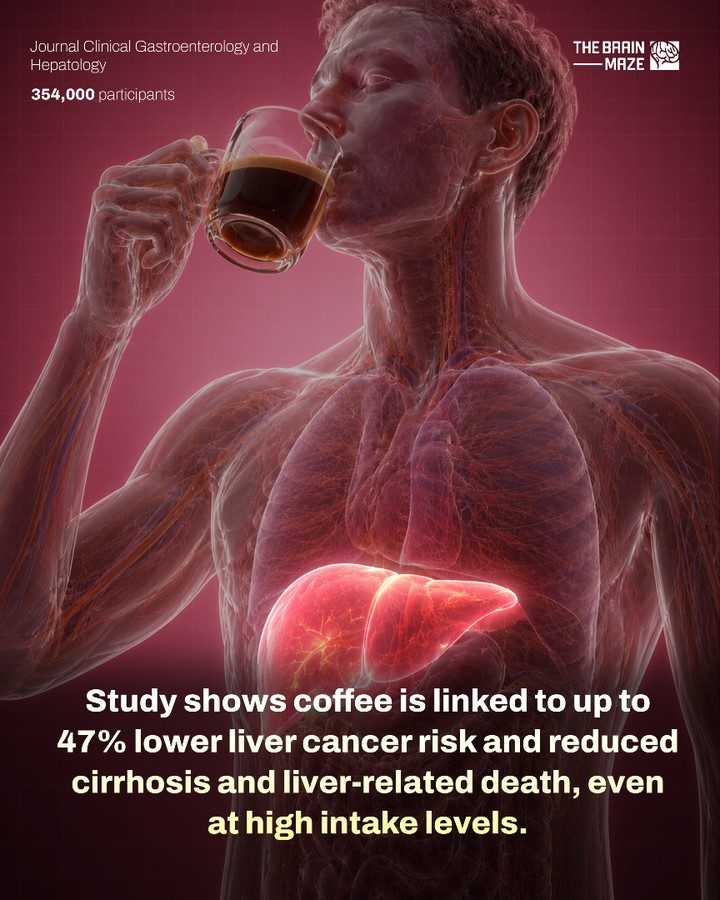
Coffee consumption has been linked to various health benefits, but a recent study published in the Journal of Clinical Gastroenterology and Hepatology adds compelling evidence to support the positive effects of coffee on liver health. Based on a large-scale study involving over 354,000 participants, researchers discovered that coffee consumption could lower the risk of liver disease and liver cancer, even at higher intake levels.
Why This Matters
Liver disease, including cirrhosis and liver cancer, is a significant global health concern. Cirrhosis, characterized by the scarring of the liver, and liver cancer are both severe conditions that can lead to significant morbidity and mortality. Understanding the potential protective effects of coffee on liver health can provide valuable insights for preventive measures and lifestyle recommendations.
Main Discussion
The Study
The study, conducted over more than a decade, monitored 354,000 participants and investigated the relationship between coffee consumption and liver health. The findings indicate that coffee drinkers, even those consuming five or more cups per day, exhibited a reduced risk of liver disease and liver cancer. Specifically, the study showed:
- Up to 20% lower risk of cirrhosis
- 24% lower risk of liver cancer
- Up to 47% reduced liver cancer risk at higher intake levels
Coffee and Its Antioxidant Effects
The protective effects of coffee on liver health are largely attributed to its antioxidant properties. Coffee is rich in antioxidants, which help combat oxidative stress and inflammation in the body. These antioxidants, including chlorogenic acid, melanoidins, and quinines, are believed to play a crucial role in reducing the risk of liver disease and liver cancer. The findings suggest that the protective effects are more likely due to these antioxidants rather than the caffeine content in coffee.
Mechanisms of Protection
Several mechanisms may explain why coffee consumption is beneficial for liver health:
- Inflammation Reduction: Coffee's antioxidant properties help reduce inflammation in the liver, which is a key factor in the development of cirrhosis and liver cancer.
- Cellular Protection: Antioxidants in coffee protect liver cells from damage caused by free radicals, which are known to contribute to liver disease.
- Improved Metabolism: Coffee consumption can improve liver metabolism, enhancing the organ's ability to process fats and sugars efficiently.
Practical Tips
Incorporating Coffee into Your Diet
While the study suggests that coffee consumption can be beneficial, it's essential to consider your overall diet and lifestyle. Here are some practical tips to incorporate coffee into your daily routine:
- Consume Moderately: Aim for 3-5 cups of coffee per day to benefit from its antioxidant properties without overconsuming caffeine.
- Choose High-Quality Coffee: Opt for high-quality, freshly brewed coffee. Instant coffee may not offer the same benefits due to lower antioxidant content.
- Combine with Balanced Diet: Enhance the benefits of coffee by maintaining a balanced diet rich in fruits, vegetables, and whole grains. Avoid excessive alcohol and processed foods.
- Stay Hydrated: Ensure you drink plenty of water alongside your coffee to stay hydrated and maintain overall liver health.
Addressing Common Concerns
Some people may be concerned about the potential negative effects of coffee, such as increased anxiety or digestive issues. However, it's important to note that these effects can vary from person to person. If you experience any adverse reactions, consider reducing your intake or switching to decaffeinated coffee.
Important Takeaways
The recent study highlights the potential benefits of coffee consumption on liver health. Key takeaways include:
- Coffee consumption is associated with a reduced risk of liver disease and liver cancer.
- Antioxidants in coffee play a significant role in protecting liver health.
- Moderate coffee consumption can be part of a healthy lifestyle.
Conclusion
In conclusion, incorporating coffee into your daily routine may offer substantial benefits for your liver health. The study's findings underscore the importance of moderate coffee consumption as a preventive measure against liver disease and liver cancer. By understanding the mechanisms behind coffee's protective effects and following practical tips, you can enhance your overall well-being and support liver health.
Watch the Reel
Questions readers ask
How much coffee should I drink to potentially reduce my risk of liver disease?
The study found benefits even at higher intake levels. However, it's important to note that moderate consumption is generally recommended, which is typically considered to be 3-4 cups per day.
What specific compounds in coffee are linked to liver health benefits?
The antioxidant properties of coffee are specifically linked to these protective effects. While there are various compounds in coffee, these antioxidants are believed to play a significant role in reducing inflammation and fighting damage in the liver.
Does coffee consumption only help with liver disease prevention, or are there other benefits?
While this article focuses on liver health, coffee consumption has been linked to other health benefits as well. These include a reduced risk of type 2 diabetes, Parkinson's disease, and even certain types of cancer, in addition to improved cognitive function and cardiovascular health.
Are the benefits of coffee on liver health applicable to all types of coffee?
The benefits are generally associated with regular, brewed coffee, but the specific types of coffee, such as espresso, are not mentioned in the article. The key is to maintain a level of caffeine and antioxidants, without additional harmful substances like added sugars and flavorings.
Can coffee replace other preventive measures for liver health?
No, coffee should not replace other preventive measures, such as maintaining a healthy diet, exercising regularly, and avoiding excessive alcohol consumption. Coffee consumption should be considered an addition to a healthy lifestyle, rather than a sole preventive measure.
Are there any risks associated with high coffee intake, as mentioned in the article?
While the study found benefits even at higher intake levels, it's important to be aware of potential risks. High coffee intake can lead to increased heart rate, anxiety, digestive issues, and sleep disturbances. It's always best to consume coffee in moderation.
Related deep dives
Similar reads based on topic and creator.

Recent articles
Fresh deep dives from the latest Reels we unpacked.




Comments
Be the first to comment.