Coffee and Energy Drinks: Understanding Cardiovascular Health Risks
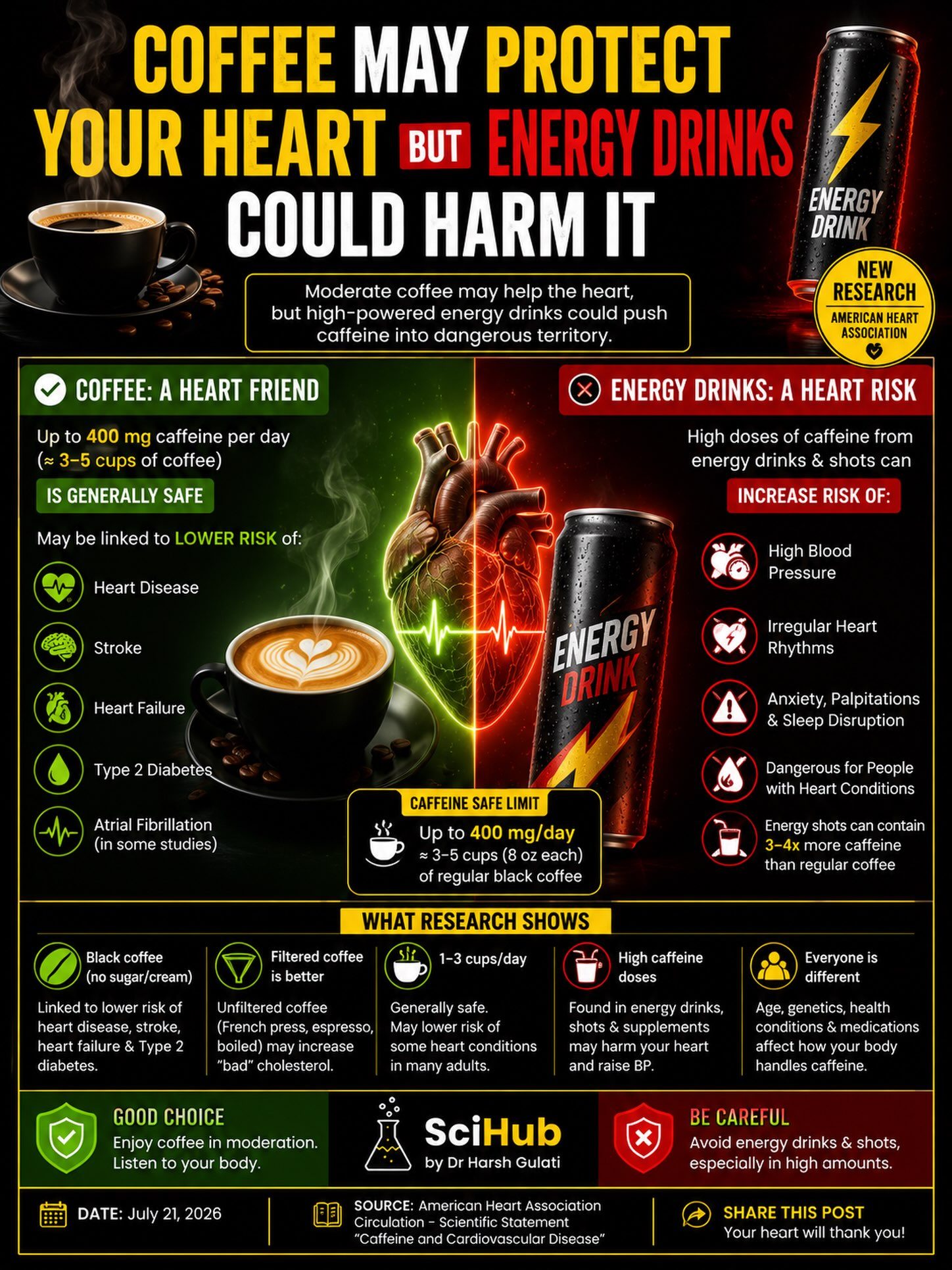
A recent scientific statement from the American Heart Association (AHA) provides fresh insights into how caffeine from coffee and energy drinks impacts cardiovascular health. The findings, published in the journal Circulation, emphasize that not all caffeinated beverages are created equal.
Context / Why This Matters
Moderate coffee consumption can offer cardiovascular benefits, particularly for healthy adults. However, consuming high doses of caffeine from energy drinks and shots can pose serious health risks. It's essential to understand these distinctions to make informed decisions about your caffeine intake.
Coffee vs. Energy Drinks: What the Research Shows
Moderate Coffee Consumption and Heart Health
The AHA's review of recent evidence indicates that consuming up to 400 mg of caffeine per day—about 3 to 5 cups of regular black coffee—is generally safe for most healthy adults. Moreover, moderate coffee consumption has been linked to a lower risk of several cardiovascular issues, including heart disease, stroke, heart failure, atrial fibrillation, and Type 2 diabetes.
Energy Drinks: The Dark Side of Caffeine
Energy drinks and shots often contain highly concentrated caffeine, sometimes 3 to 4 times more than regular coffee. These high doses of caffeine can increase the risk of irregular heart rhythms (arrhythmias), high blood pressure, anxiety, and sleep disruption. For individuals with existing heart conditions or caffeine sensitivity, the risks are even higher.
Understanding Caffeine Safe Limits and Brand Variability
The AHA recommends that most healthy adults can safely consume up to 400 mg of caffeine per day from regular coffee. However, energy drinks and shots can quickly push consumers into dangerous territory. Monitor your caffeine intake as some energy drinks can contain up to 300-400 mg of caffeine in a single serving, equating to 3 or 4 cups of coffee.
Health Benefits of Moderate Coffee Consumption
Lower Risk of Heart Disease and Stroke
Several observational studies suggest that moderate coffee consumption—up to 3-5 cups of regular black coffee per day—may be associated with a lower risk of heart disease and stroke. This is likely due to the antioxidant and anti-inflammatory properties of coffee.
Type 2 Diabetes and Atrial Fibrillation
Moderate coffee consumption has also been linked to a lower risk of Type 2 diabetes. Some studies have even suggested that it may reduce the risk of atrial fibrillation, a heart condition characterized by an irregular heartbeat.
Potential Risks of Adding Sugar and Cream
While the research points to benefits from black coffee, adding sugar and cream can counteract these benefits. Excess sugar and fat intake can contribute to weight gain, increased cholesterol, and a higher risk of heart disease. For optimal health, stick to black coffee without added sweeteners or creamers.
Health Risks of High-Caffeine Energy Drinks
Cardiovascular Risks
High doses of caffeine from energy drinks and shots can increase the risk of irregular heart rhythms, high blood pressure, and other cardiovascular issues. The AHA warns that these drinks are particularly dangerous for individuals with existing heart conditions or sensitivity to caffeine.
Anxiety and Sleep Disruption
Energy drinks can also trigger anxiety, palpitations, and sleep disruption. The combination of high caffeine content and other stimulants in these drinks can overstimulate the nervous system, leading to these adverse effects.
Practical Tips for Safe Caffeine Consumption
Limit Your Intake
Stick to the recommended caffeine limit of 400 mg per day from regular coffee. Be mindful of the caffeine content in other beverages and foods, as these can add up quickly.
Choose Black Coffee
Opt for black coffee without added sugar or cream to reap the potential heart benefits. If you prefer a different flavor, try unsweetened, sugar-free versions of coffee and energy drinks.
Be Cautious with Energy Drinks
Avoid energy drinks, especially if you have a heart condition or are sensitive to caffeine. If you choose to consume them, do so in moderation and be aware of the potential risks.
Listen to Your Body
Pay attention to how your body responds to caffeine. If you experience symptoms like rapid heartbeat, anxiety, or sleep disruption, consider reducing your intake.
Healthy Lifestyle Choices
Maintain a balanced diet, engage in regular physical activity, and prioritize adequate sleep. These lifestyle choices can help mitigate the potential risks associated with caffeine consumption.
Important Takeaways
Moderate coffee consumption, particularly black coffee, can be a part of a heart-healthy lifestyle. However, energy drinks and shots pose significant health risks, particularly for those with heart conditions or caffeine sensitivity. Always prioritize your body's well-being and pay close attention to the potential risks associated with high caffeine intake.
Conclusion
The AHA's findings underscore the importance of making informed choices about caffeine consumption. By understanding the differences between coffee and energy drinks, you can make healthier decisions that support your cardiovascular health. Always consult with a healthcare provider if you have concerns about your caffeine intake or cardiovascular health.
Watch the Reel
Questions readers ask
How much coffee can be safely consumed daily for heart health?
The American Heart Association suggests that up to 400 mg of caffeine per day is generally safe for most adults. This is roughly equivalent to four cups of brewed coffee. However, individual tolerance may vary, so it's important to pay attention to your body's response.
What are the potential heart risks associated with energy drinks?
Energy drinks, which often contain high amounts of caffeine and other stimulants, can pose serious heart health risks. These include arrhythmias, increased blood pressure, and even heart attacks in severe cases, especially when consumed in large amounts.
Can coffee consumption help prevent heart disease?
Studies have shown that moderate coffee consumption may lower the risk of several cardiovascular issues, including heart disease and stroke. The antioxidants and other compounds in coffee may contribute to these benefits, but more research is needed to fully understand the mechanisms.
What are the daily caffeine intake guidelines for safe consumption?
For most healthy adults, consuming up to 400 mg of caffeine per day is considered safe. This is roughly equivalent to four cups of coffee or about 4-5 cups of black tea. However, it's essential to note that caffeine sensitivity varies among individuals.
Why do energy drinks pose more heart health risks than coffee?
Energy drinks often contain not only high doses of caffeine but also additional stimulants and sugars. These combined factors can lead to rapid heart rate, high blood pressure, and other cardiovascular issues, especially when consumed in large amounts or by individuals with pre-existing heart conditions.
What is the American Heart Association’s stance on coffee and heart health?
The American Heart Association acknowledges that moderate coffee consumption can be part of a healthy lifestyle. Their research suggests that coffee, when consumed in moderation, may offer cardiovascular benefits. However, they caution against high caffeine intake from energy drinks and other sources.
Can energy drinks cause high blood pressure?
Yes, energy drinks can cause a significant increase in blood pressure, especially when consumed in large amounts. This is due to the high caffeine content and other stimulants present in these beverages. Individuals with hypertension or other cardiovascular issues should be particularly cautious.
Related deep dives
Similar reads based on topic and creator.



Recent articles
Fresh deep dives from the latest Reels we unpacked.




Comments
Be the first to comment.