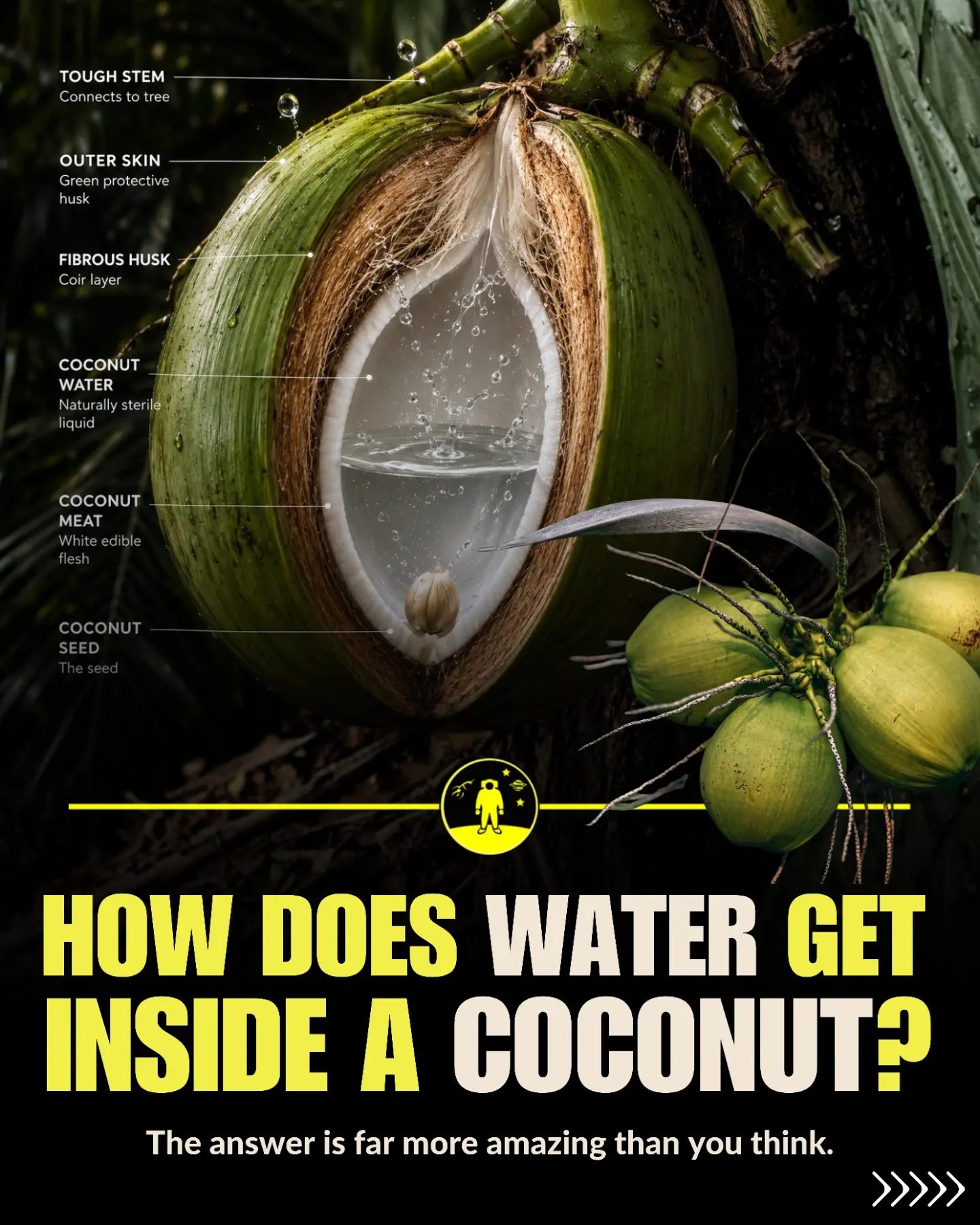
Coconut Water: The Natural Hydration Factory
Coconut water is a refreshing and nutritious beverage enjoyed worldwide, but do you know how it gets inside the coconut? The process is more fascinating than most people realize. Contrary to popular belief, coconut water does not come from rain or seawater seeping into the coconut. Instead, it is produced naturally by the coconut itself as it grows on the tree.
Why This Matters
Understanding the natural process behind coconut water production can enhance appreciation for this tropical fruit and its many benefits. Coconuts are not just a tasty snack; they are a remarkable example of natural engineering, providing a complete survival package that includes a protective shell, nutritious food, refreshing water, and a seed capable of growing into a new tree.
The Journey of Coconut Water
The Roots of Hydration
The process begins underground, where the coconut palm's roots absorb freshwater and essential minerals from the soil. This water travels through tiny vessels called xylem, carrying nutrients all the way up to the growing fruit. The coconut palm is incredibly efficient at filtering out impurities, ensuring that the water reaching the fruit is pure and fresh, regardless of the surrounding environment.
Even coconuts growing near the ocean receive only filtered freshwater, not salty seawater. This filtration process is crucial for maintaining the quality and purity of coconut water, making it a naturally sterile liquid.
From Liquid Endosperm to Coconut Water
Inside the young coconut, the tree creates a clear liquid known as liquid endosperm, what we commonly call coconut water. This liquid is stored in the hollow center of the young coconut. As the fruit matures, natural sugars, vitamins, minerals, and electrolytes are added to the liquid endosperm, giving coconut water its unique and refreshing taste. This transformation not only enhances the flavor but also increases the nutrient content, making coconut water a valuable source of hydration and essential nutrients.
The Evolution of Coconut Water
Over time, part of this liquid gradually transforms into the white edible flesh we enjoy. This conversion is why mature coconuts contain less water than young green coconuts. The liquid has been converted into coconut meat, which is rich in fiber, healthy fats, and various vitamins and minerals. This transformation showcases the coconut's versatility, providing both a hydrating liquid and a nutritious solid.
The Protective Layers
The coconut is protected by several layers, each serving a crucial purpose. The outer skin, also known as the green protective husk, shields the fruit from external damage. Beneath this layer is the fibrous husk, or coir layer, which provides additional protection and insulation. The innermost layer, the coconut meat, is the edible part that contains the coconut water. This protective structure ensures that the coconut can survive in various environments, from tropical beaches to arid landscapes.
Practical Tips
Choosing the Right Coconut
When selecting a coconut, look for one that is heavy for its size, indicating a higher water content. Young green coconuts typically contain more water and less meat, making them ideal for drinking coconut water. Mature coconuts, on the other hand, have more flesh and less liquid, making them better for eating the meat.
Storing Coconut Water
To preserve the natural freshness and nutrients of coconut water, store it in the refrigerator. Avoid exposing it to direct sunlight or high temperatures, as this can degrade the quality and flavor. If you have opened a coconut, consume the water within a few days to maintain its freshness.
Important Takeaways
Coconut water is a natural hydrator, packed with essential nutrients and electrolytes. It is produced entirely by the coconut itself, utilizing a sophisticated filtration system that ensures the water remains pure and fresh. The process of converting liquid endosperm into coconut meat showcases the coconut's remarkable adaptability and sustainability.
Conclusion
The journey of coconut water from the roots of the coconut palm to the hollow center of the fruit is a testament to nature's ingenuity. Understanding this process not only deepens our appreciation for this tropical fruit but also highlights its value as a natural source of hydration and nutrition. The next time you enjoy a refreshing sip of coconut water, remember the incredible journey it has taken to reach you.
Watch the Reel
Questions readers ask
How does coconut water form inside the coconut?
Coconut water is formed through a natural process where the growing coconut absorbs and filters fresh water from the soil through its roots. The coconut palm then adds vital nutrients, such as natural sugars, vitamins, and electrolytes, to create the refreshing drink found inside.
What is the difference between coconut water and seawater?
Coconut water is distinctly different from seawater. Unlike seawater, coconut water is not salty and contains essential electrolytes in a form that is easily absorbed by the human body, making it an excellent source of hydration.
Why is coconut water from young coconuts often preferred?
Young coconut water is often preferred because it contains a higher concentration of electrolytes and nutrients. As the coconut matures, some of the water is converted into the coconut meat, which makes it less hydrating. Additionally, young coconut water tends to have a sweeter and more refreshing taste.
Can coconut water be used as a natural sports drink?
Yes, coconut water can be used as a natural sports drink. It contains a balanced mix of electrolytes, such as potassium and sodium, which help replenish what is lost during physical activity. This makes it an effective way to hydrate and recover after workouts.
How does the coconut palm absorb and purify water?
The coconut palm absorbs water from the soil through its extensive root system. As the water travels up the tree, the coconut palm acts as a natural filter, removing impurities and adding beneficial nutrients, which results in the pure and refreshing coconut water found inside the coconut.
Is coconut water a more effective hydrating source than regular freshwater?
Yes, coconut water can be a more effective hydrating source than regular freshwater. Its natural blend of electrolytes, vitamins, and sugars helps the body absorb water more efficiently, making it a superior choice for rehydration, especially after physical exertion. Regular freshwater, while hydrating, lacks the additional nutrients found in coconut water.
What role do the coconut tree's roots play in the hydration process of the coconut?
The roots of the coconut tree play a crucial role in the hydration process. They extend deep into the soil, absorbing fresh water and essential minerals. This water is then transported up the tree and into the developing coconut, where it is purified and enriched with additional nutrients to create coconut water.
Related deep dives
Similar reads based on topic and creator.

Recent articles
Fresh deep dives from the latest Reels we unpacked.




Comments
Be the first to comment.