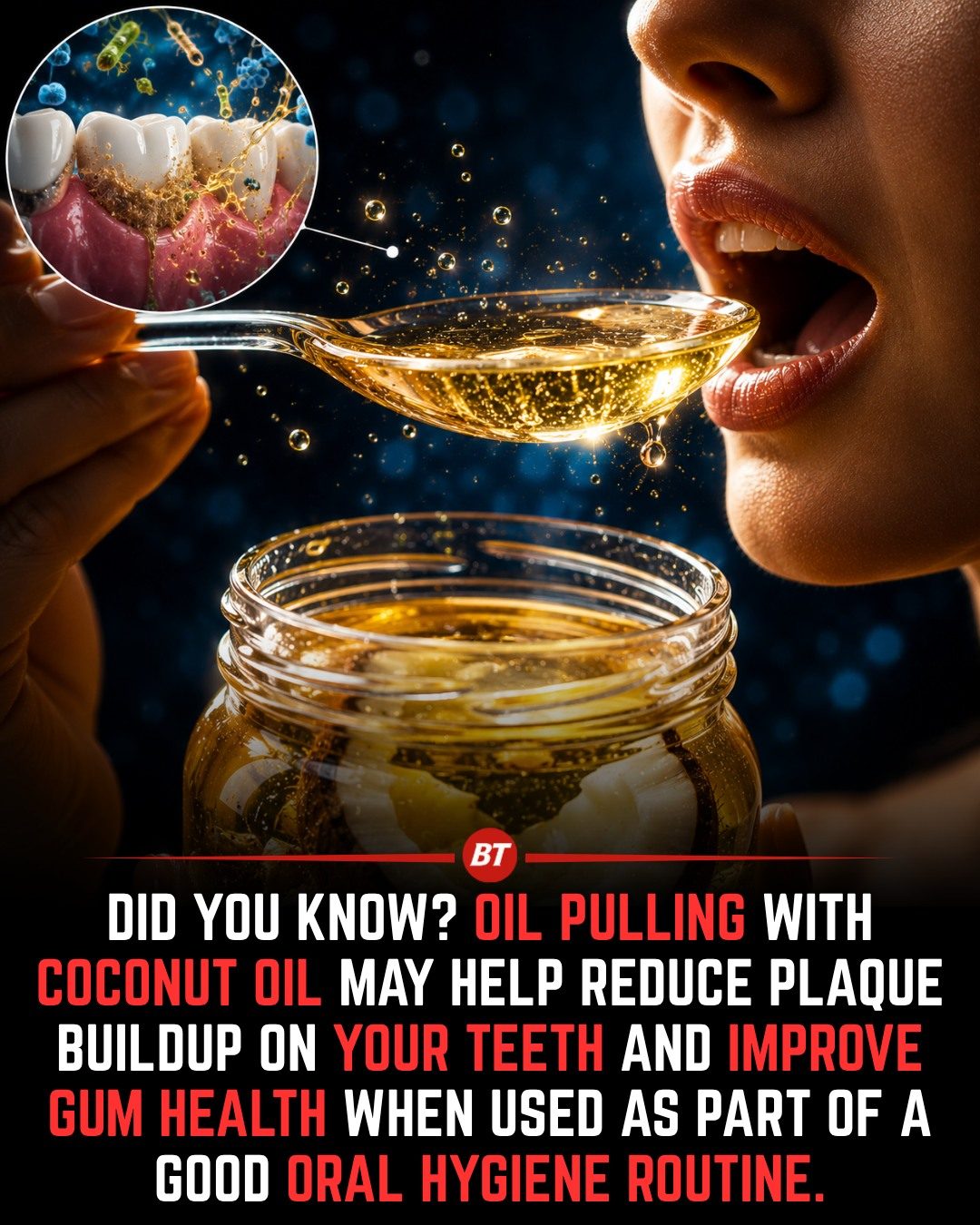
Coconut Oil Pulling
Coconut oil pulling is a practice that involves swishing coconut oil in the mouth for a few minutes each day. This natural remedy has gained popularity due to its potential benefits for oral health. By adding coconut oil pulling to your oral hygiene routine, you may experience improvements in gum health and a reduction in plaque buildup.
Why this matters
Maintaining good oral health is crucial for overall well-being. Regular brushing and flossing are essential, but incorporating additional practices like coconut oil pulling can provide extra support. Understanding the benefits and methods of oil pulling can help you make informed decisions about your oral care routine.
Main discussion
What is coconut oil pulling?
Oil pulling is an ancient Ayurvedic practice that involves swishing a tablespoon of oil in the mouth for about 10-15 minutes. The process helps to detoxify the mouth by loosening and removing toxins, bacteria, and debris. Coconut oil is particularly effective for this purpose due to its natural antimicrobial properties.
Benefits of coconut oil pulling
Coconut oil is rich in lauric acid, a medium-chain fatty acid known for its antimicrobial properties. This makes it effective in inhibiting the growth of bacteria such as Streptococcus mutans, which is one of the primary bacteria involved in tooth decay and plaque formation. By swishing coconut oil in the mouth, you can help loosen debris and reduce the number of bacteria before spitting it out. In laboratory studies, lauric acid has been shown to inhibit the growth of several bacteria, contributing to a healthier oral environment.
Clinical research has also provided encouraging results. Studies published in the Journal of Traditional and Complementary Medicine and the Nigerian Medical Journal found that participants who practiced daily coconut oil pulling for 2–4 weeks experienced reductions in dental plaque, harmful oral bacteria, and signs of gingivitis. While more large-scale studies are needed, the current evidence suggests that oil pulling can be a useful addition to a comprehensive oral hygiene routine.
How to do coconut oil pulling
To incorporate coconut oil pulling into your daily routine, follow these steps:
- Choose the right oil: Use virgin or organic coconut oil for the best results. Avoid refined or hydrogenated oils, as they may not provide the same benefits.
- Measure the oil: Take about 1 tablespoon of coconut oil. If you prefer a softer consistency, you can melt the oil slightly before use.
- Swish: Place the oil in your mouth and swish it around for 10-15 minutes. Make sure the oil reaches all areas of your mouth, including between your teeth and along your gums.
- Spat it out: After swishing, spit the oil into the trash. Do not spit it into the sink, as it can harden and clog the pipes.
- Rinse and brush: Rinse your mouth with warm water and then brush your teeth as usual.
Impact on oral health
Oil pulling with coconut oil can have a positive impact on various aspects of oral health. Regular practice may help:
- Reduce plaque buildup: The antimicrobial properties of lauric acid can inhibit bacterial growth, reducing plaque formation.
- Improve gum health: By reducing harmful bacteria, coconut oil pulling can promote healthier gums and help prevent gingivitis.
- Whiten teeth: Some proponents of oil pulling claim that it can help whiten teeth by removing stains and plaque. While more research is needed, anecdotal evidence suggests this could be a potential benefit.
Comparing coconut oil pulling to conventional oral care
While coconut oil pulling offers potential benefits, it should not replace conventional oral care methods. Brushing twice daily with fluoride toothpaste, flossing, and regular dental checkups are essential for maintaining good oral health. Oil pulling can be an optional extra that provides additional support to these proven dental care methods.
Practical Tips
Incorporating oil pulling into your routine
To make oil pulling a regular part of your oral hygiene routine, consider the following tips:
- Choose a convenient time: Find a time that works best for you, such as first thing in the morning or before bed.
- Use a timer: Set a timer for 10-15 minutes to ensure you swish the oil for the recommended duration.
- Mix things up: If you find oil pulling monotonous, try mixing in essential oils like peppermint or eucalyptus for added flavor and benefits. Ensure the oils are safe for internal use.
- Stay consistent: For the best results, aim to practice oil pulling daily. Consistency is key to seeing improvements in oral health.
When to avoid oil pulling
While oil pulling is generally safe, there are a few situations where it may not be suitable:
- Hemophilia: Avoid oil pulling if you have a bleeding disorder like hemophilia, as it may increase the risk of bleeding gums.
- Dental work: If you have loose teeth, recent dental work, or a dental condition, consult with your dentist before starting oil pulling.
- Swallowing: Be cautious not to swallow the oil, as it can lead to diarrhea. Spitting it out safely is essential.
Important takeaways
Coconut oil pulling offers a natural way to support oral health by reducing plaque buildup and improving gum health. This practice can be a valuable addition to your oral hygiene routine, complementing traditional methods like brushing and flossing. By incorporating coconut oil pulling into your daily routine, you may experience the benefits of healthier teeth and gums.
Conclusion
Coconut oil pulling is a simple and effective practice that can enhance your oral health. By leveraging the antimicrobial properties of coconut oil, you can reduce plaque, improve gum health, and potentially whiten your teeth. Remember to use it as a supplementary practice alongside regular brushing, flossing, and dental checkups. Embrace this natural remedy and enjoy the benefits of a healthier, brighter smile.
Watch the Reel
Questions readers ask
How often should I do coconut oil pulling for optimal results?
For best results, aim to do coconut oil pulling daily. Many people find morning routines to be most convenient, as it can help remove bacteria that may have accumulated overnight.
What type of coconut oil should I use for oil pulling?
It's best to use organic, cold-pressed coconut oil, which retains more of its natural benefits. Choose a virgin coconut oil that is free from additives and has not been refined or bleached.
How long should I swish coconut oil in my mouth?
To reap the benefits, swish the coconut oil in your mouth for about 15-20 minutes. This allows enough time for the oil to mix with your saliva and pull out toxins and bacteria.
Can coconut oil pulling replace regular brushing and flossing?
No, coconut oil pulling should not replace regular brushing and flossing. It is meant to supplement your oral hygiene routine, helping to reduce bacteria and plaque in addition to your usual dental care practices.
What is the best way to dispose of the coconut oil after pulling?
After spitting out the coconut oil, dispose of it in the trash, not the sink. This is because the oil can solidify and potentially clog pipes. Additionally, it may contain bacteria, so it's best not to put it down the drain.
Can coconut oil pulling help prevent tooth decay?
By reducing the amount of harmful bacteria in the mouth, coconut oil pulling may help create an environment less conducive to tooth decay. However, it should not be solely relied upon for cavity prevention.
Is coconut oil pulling safe for everyone?
Coconut oil pulling is generally safe for most people, but those with dental issues such as cavities or gum disease should consult with a dental professional before starting. Additionally, ensure you do not swallow the oil, as it may contain bacteria from your mouth.
Related deep dives
Similar reads based on topic and creator.




Recent articles
Fresh deep dives from the latest Reels we unpacked.




Comments
Be the first to comment.