Coconut oil is a pantry staple for many, whether you use it for cooking or as part of your skincare routine. But have you ever wondered how it's made? The process is more intricate, and fascinating, than you might imagine. It involves specialized machinery and careful handling to ensure the oil retains its beneficial properties.
Why this matters
Coconut oil is widely used in various applications, from culinary to beauty and wellness products. Understanding its production process can provide insights into the quality and purity of the oil. This knowledge can help you make more informed decisions when selecting coconut oil for your needs.
The Process of Coconut Oil Production
Shredding and Preparation
The production process begins with the shredding of coconut meat. This step is crucial as it increases the surface area, making it easier to extract the oil. The coconut shavings are then added to a large metal bowl, ready for the next stage of processing.
Cold Press Extraction
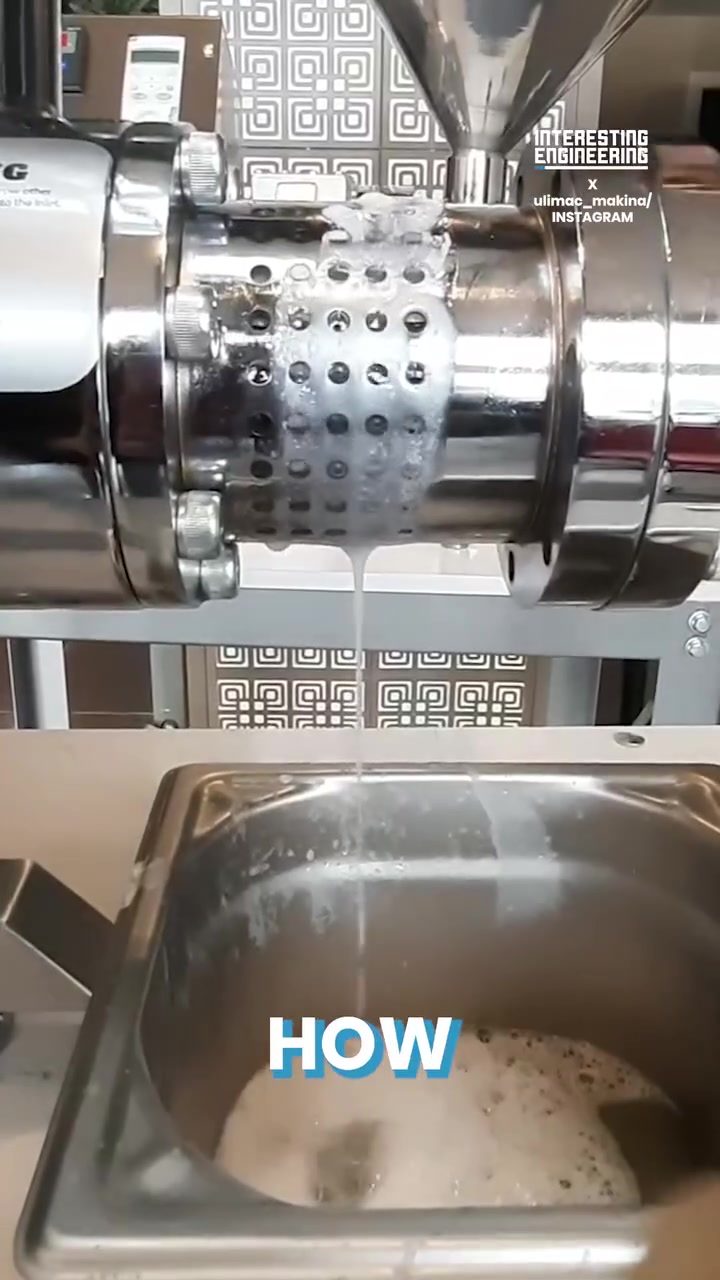
The extraction of coconut oil is typically done using a cold press machine. This type of machine extracts the oil from the coconut shavings using pressure without adding chemicals or heat. The process is straightforward: the shredded coconut is fed into the machine, and the oil is extracted through a series of mechanical actions.
Mechanical Extraction
The cold press oil machine utilizes a rotating drum to apply pressure to the coconut shavings. This mechanical action forces the oil out of the coconut flesh, ensuring that the beneficial properties of the oil are retained. The use of pressure rather than heat helps to preserve the natural qualities of the oil, making it a healthier option compared to oils extracted using heat.
Importance of Cold Pressing
Retaining Beneficial Properties
The method of cold pressing is essential for retaining the beneficial properties of coconut oil. Heat can degrade the quality of the oil, reducing its nutritional value and altering its taste and aroma. By using cold pressing, the oil retains its natural antioxidants, vitamins, and fatty acids, making it a more nutritious and versatile product.
Preserving Natural Qualities
Cold-pressed coconut oil is known for its high-quality and purity. The absence of heat and chemicals during the extraction process ensures that the oil is free from impurities and retains its natural qualities. This method not only enhances the oil's taste and aroma but also makes it suitable for various applications, from cooking to skincare.
Engineering Behind Coconut Oil Production
Industrial-Scale Machinery
The machinery used in coconut oil production is often industrial-scale, designed to handle large volumes of coconut meat efficiently. These machines are engineered to ensure that the extraction process is both efficient and effective, minimizing waste and maximizing yield.
Precision and Efficiency
The precision engineering of these machines ensures that the extraction process is carried out with minimal effort and maximum efficiency. The use of rotating drums and pressure mechanisms allows for the extraction of oil in a controlled and consistent manner, ensuring high-quality output.
Practical Tips for Buying Coconut Oil
Choosing the Right Type
When purchasing coconut oil, it's essential to check the label to ensure it is cold-pressed. Cold-pressed coconut oil is generally more expensive, but it offers superior quality and nutritional value. Avoid oils that have been extracted using heat or chemicals, as these methods can compromise the oil's quality.
Label Reading
Always read the label carefully to understand the extraction method used. Look for terms like "cold-pressed" or "virgin coconut oil" to ensure you are getting a high-quality product. Avoid oils that list "refined" or "bleached" on the label, as these processes can strip the oil of its natural benefits.
Storage
Proper storage is crucial for maintaining the quality of coconut oil. Store it in a cool, dark place away from direct sunlight and heat sources. If you live in a warm climate, consider keeping it in the refrigerator to extend its shelf life.
Important Takeaways
The process of making coconut oil involves shredding the coconut, extracting the oil using a cold press machine, and ensuring the oil retains its beneficial properties. Cold pressing helps preserve the natural qualities of the oil, making it a healthier and more nutritious option. Understanding the production process can help you make more informed choices when buying coconut oil, ensuring you get a high-quality product.
Conclusion
Coconut oil's versatility and nutritional value make it a valuable addition to any pantry. By understanding the intricacies of its production, particularly the importance of cold pressing, you can better appreciate the care and engineering that goes into making high-quality coconut oil. Whether you're using it for cooking, skincare, or other applications, choosing the right type of coconut oil ensures you get the most out of this wonderful product.
Watch the Reel
Questions readers ask
What does 'cold pressed' mean in coconut oil production?
Cold pressed' refers to a method of extracting coconut oil that uses mechanical pressure to squeeze out the oil from shredded coconut meat, without applying heat. This process helps to preserve the oil's natural properties, such as its aroma, flavor, and nutritional content.
What equipment is used in the cold press process for coconut oil?
The cold press process typically involves a few key pieces of machinery. The shredded coconut meat is pressed using a rotating drum to apply pressure and separate the oil. Other equipment like dryers and filters may also be used to ensure the purity and quality of the final product.
Why is the cold press process preferred over other methods?
The cold press process is preferred because it minimizes the damage to the oil's natural components. By avoiding exposure to high temperatures, this method helps to retain the oil's beneficial properties. This makes cold pressed coconut oil a popular choice for those seeking high-quality oil.
What is the first step in the coconut oil production process?
The first step in producing coconut oil is to shred the coconut meat. This involves breaking down the coconut meat into smaller pieces, which increases the surface area and makes it easier to extract the oil during the pressing process.
What are the benefits of using cold pressed oil?
Cold pressed coconut oil offers several benefits. It retains more of its natural antioxidants and nutrients due to the absence of heat. This makes it a popular choice for both cooking and skincare applications, as it can provide better flavor, aroma, and potential health benefits.
How does the cold pressing process affect the taste of coconut oil?
Cold pressing coconut oil helps to preserve its natural flavor. The absence of heat means that the oil retains its original, rich, and slightly sweet taste. This makes it particularly popular for culinary uses, as it can enhance the flavor of food without adding unnecessary heat or altering the oil's properties.
What kind of coconuts are used to produce coconut oil?
The process typically uses dried, mature coconuts to produce coconut oil. These coconuts are chosen because they have a higher oil content compared to fresh, immature coconuts. The drying process helps to remove the water content, making it easier to extract the oil during the pressing stage.
Related deep dives
Similar reads based on topic and creator.




Recent articles
Fresh deep dives from the latest Reels we unpacked.




Comments
Be the first to comment.