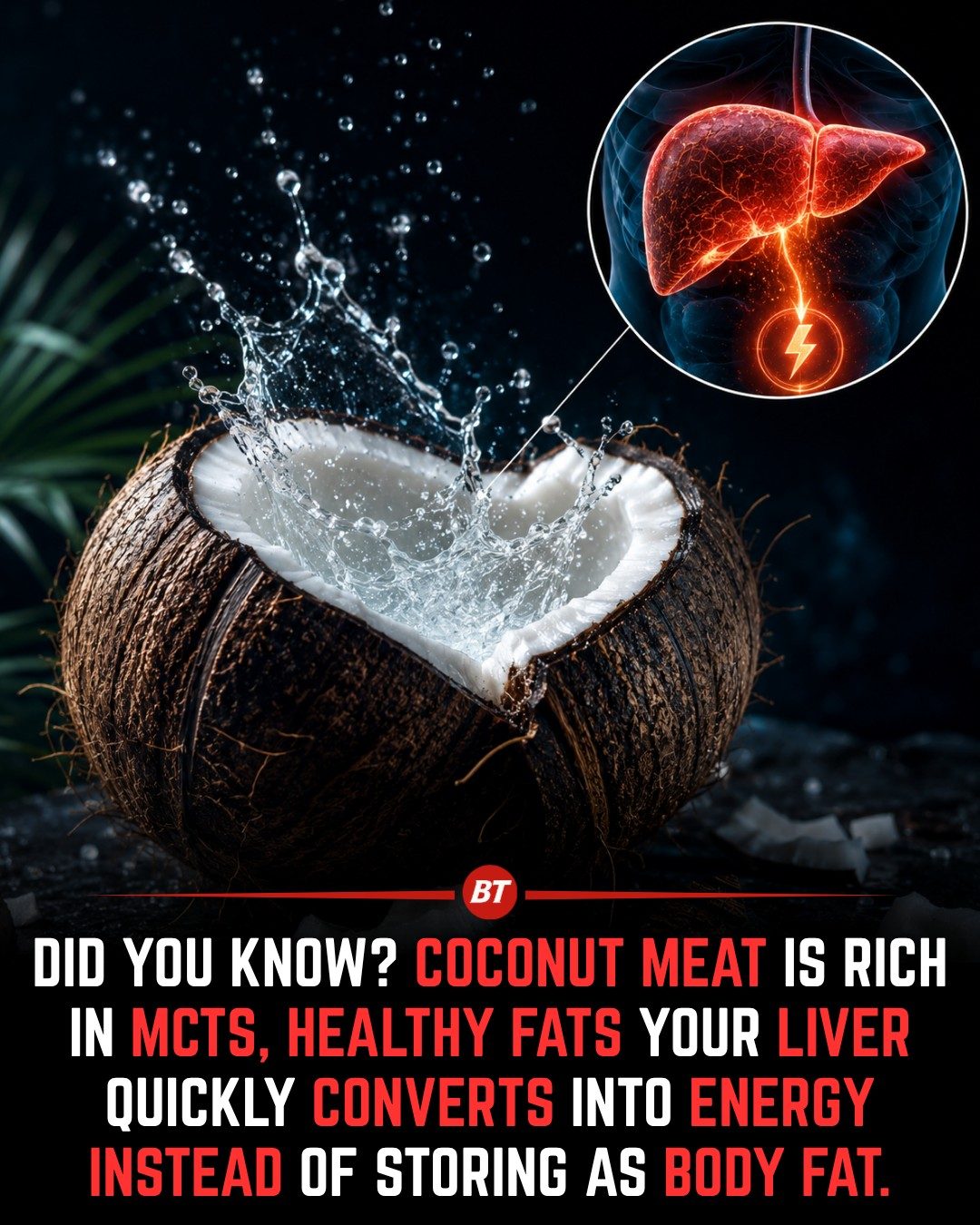
Coconut and MCTs
Coconut is a versatile fruit that has gained significant attention for its unique nutritional properties, particularly its content of medium-chain triglycerides (MCTs). These healthy fats are metabolized differently from the long-chain fats found in most foods, making coconut a favorite among athletes and researchers.
Context: Why This Matters
Understanding the benefits of MCTs is crucial for anyone looking to optimize their diet for energy, performance, and overall health. Coconut meat, rich in MCTs, provides a natural and readily available source of these beneficial fats. This makes it a valuable addition to various diets, especially for those following ketogenic or low-carb diets, or for athletes seeking enhanced performance.
Main Discussion
What Are MCTs?
MCTs, or medium-chain triglycerides, are a type of fat that is metabolized more efficiently than long-chain fats. Coconut meat is particularly rich in these fats, with lauric acid being the most abundant, followed by smaller amounts of caprylic and capric acids. Unlike long-chain fats, MCTs are absorbed directly into the portal vein and transported straight to the liver. Here, they are rapidly converted into energy or ketones, bypassing the usual pathway of being packaged into chylomicrons and circulated throughout the body.
How MCTs Are Metabolized
The unique metabolism of MCTs makes them an appealing choice for various dietary and performance needs. After digestion, many MCTs are absorbed directly into the portal vein and transported straight to the liver. This direct route allows them to be rapidly converted into energy or ketones, providing a quick and efficient energy source. This metabolic shortcut is one of the reasons why MCTs have been extensively studied for their potential benefits in exercise performance, satiety, and ketogenic diets.
Research and Studies
Research published in journals such as the Journal of Nutrition has shown that MCTs are oxidized more quickly than long-chain fats. This allows them to serve as a readily available energy source, making them particularly useful for athletes and those following specific diets. The rapid oxidation of MCTs means they are less likely to be stored as body fat, further enhancing their appeal for health and performance.
Nutritional Benefits Beyond MCTs
Beyond their unique fats, coconut meat also provides a range of other nutrients. It is a good source of fiber, manganese, copper, selenium, and antioxidants. These nutrients make coconut a nutrient-dense whole food that can fit into a balanced diet. The combination of healthy fats and other essential nutrients makes coconut meat a versatile and beneficial addition to any diet.
Practical Tips
Incorporating Coconut Meat into Your Diet
Coconut meat can be easily incorporated into your diet in various ways. Here are a few practical tips:
- Smoothies and Beverages: Add fresh coconut meat to smoothies or homemade trail mix.
- Breakfast: Stir it into yogurt or oatmeal for a nutritious breakfast.
- Snacking: Enjoy it as a naturally satisfying snack.
- Pairing: Combine it with protein-rich foods for longer-lasting energy and fullness.
Choosing the Right Coconut
When selecting coconut, opt for fresh, organic, and minimally processed varieties. Avoid coconut meat that has been treated with excessive heat or chemicals, as this can degrade the beneficial fats and nutrients.
Important Takeaways
- MCTs and Energy: MCTs are a unique type of fat that is rapidly converted into energy, making them a valuable source of fuel for the body.
- Nutritional Profile: Coconut meat provides a range of nutrients, including fiber, manganese, copper, selenium, and antioxidants, making it a nutrient-dense food.
- Metabolic Pathway: The unique metabolic pathway of MCTs allows them to be quickly absorbed and converted into energy, making them less likely to be stored as body fat.
- Versatility: Coconut meat can be incorporated into a variety of dishes, from smoothies to trail mix, making it an easy addition to a balanced diet.
Conclusion
Coconut meat, rich in MCTs and other essential nutrients, is a valuable addition to any diet. Its unique metabolic properties make it an excellent source of energy, particularly for those following specific dietary regimens or athletes seeking to optimize their performance. Incorporating coconut into your diet can provide a range of health benefits, from enhanced energy to better overall nutrition. Whether enjoyed as a snack or added to meals, coconut meat offers a delicious and nutritious way to support your health and wellness goals.
Watch the Reel
Questions readers ask
What are medium-chain triglycerides (MCTs) and why are they beneficial?
Medium-chain triglycerides (MCTs) are a type of fat found in coconut and other foods. They are beneficial because they are quickly absorbed and metabolized, providing a rapid source of energy. Unlike other fats, MCTs are processed directly in the liver, where they are converted into ketones or used for immediate energy.
How do MCTs in coconut compare to other fats?
MCTs in coconut are metabolized differently from other fats. They are shorter in chain length, which allows them to be rapidly converted into energy. Other fats, such as long-chain triglycerides (LCTs), require more steps to break down, leading to slower energy production.
What are the benefits of consuming coconut for athletes?
For athletes, coconut is a preferred choice due to its MCT content, which supports rapid energy production. This makes it an excellent source of fuel for endurance and high-intensity activities. Additionally, coconut's natural and readily available MCTs can help enhance athletic performance.
Which foods are the best sources of MCTs besides coconut?
Besides coconut, other sources of MCTs include palm oil, butter, and certain dairy products. However, coconut and palm kernel oil are some of the richest natural sources of MCTs, making them popular choices for those seeking to increase their MCT intake.
How do MCTs support liver function in energy production?
MCTs support liver function by being rapidly absorbed and converted into energy or ketones. This process helps reduce the workload on the liver, as MCTs do not require bile for digestion and are directly metabolized. This rapid metabolism makes MCTs an efficient source of energy for the body.
Is coconut oil a good source of MCTs, and what are its benefits?
Coconut oil is an excellent source of MCTs, with about 60-65% of its fat content being MCTs. The primary benefits of coconut oil include improved energy levels, enhanced fat metabolism, and support for a ketogenic or low-carb diet.
Related deep dives
Similar reads based on topic and creator.




Recent articles
Fresh deep dives from the latest Reels we unpacked.




Comments
Be the first to comment.